Article Originally Published Here
A Defining Moment in Global Crisis Response
March 11, 2020 marked a seismic shift in global awareness. That was the day the World Health Organization officially declared COVID-19 a pandemic. In a matter of hours, the world watched stock markets crash, borders close, and lives change forever. For security professionals, it sparked an urgent reevaluation of how organizations prepare for and respond to medical and operational crises.
Now, five years later, a clearer picture has emerged of how COVID-19 redefined security protocols, emergency planning, and trust in institutions—and what that means for managing future risks.
READ: The Expanding Role of Private Security in Policing Gaps
Crisis Management Became Collaborative
At Boeing, one of the world’s largest aerospace companies, COVID-19 demanded an immediate pivot from routine operations to full-scale crisis coordination. Dave Komendat, who served as Boeing’s Chief Security Officer during the pandemic, recalled how early discussions about the virus evolved into a massive, cross-departmental effort.
“You can’t build airplanes remotely,” Komendat noted. The stakes were high. With more than 170,000 employees worldwide, Boeing had to continue operations while safeguarding staff. The response team, co-led by the company’s chief medical officer, worked alongside legal, HR, and facilities teams to ensure real-time updates, proper safety protocols, and unified messaging.
This internal collaboration mirrored a wider industry trend. Benchmarking across companies became routine as security leaders exchanged information and best practices—often filling the gap left by inconsistent public guidance.
Planning Must Be Proactive
Jeremy Prout of International SOS emphasized that the pandemic underscored a key lesson: planning matters. Organizations that had incident response frameworks already in place adapted faster and more effectively.
“The purpose of plans isn’t to follow them step-by-step,” Prout said. “It’s to help you know what to do when the unexpected happens.”
Having an established crisis management team allowed his organization to respond to evolving conditions, assess global medical data, and make sound decisions despite limited information.
This preparedness mindset has gained traction across the private sector, especially for businesses with global operations. The ability to mobilize quickly and pivot strategy is now essential—not just for pandemics, but for natural disasters, civil unrest, or cyber incidents.
The New Definition of Duty of Care
COVID-19 fundamentally changed the concept of duty of care. Previously, it focused on risk avoidance—like issuing travel alerts or ensuring medical access abroad. Today, it’s about direct response and support, including physical extractions, emergency housing, and real-time medical aid.
Dale Buckner, CEO of Global Guardian, recalled orchestrating massive evacuations during the early days of the pandemic. From stranded travelers to overwhelmed health systems, his team provided medical personnel, delivered oxygen and supplies, and built custom private supply chains to bypass blocked logistics channels.
“The definition of care has changed,” Buckner explained. “Now it’s not just about alerts—it’s about physical presence and action.”
Public Health Response Became Politicized
The pandemic also exposed a dangerous vulnerability: the politicization of public health.
Dr. Scott Rivkees, former Florida Surgeon General, described how his state initially took aggressive steps to protect vulnerable populations—especially the elderly. Florida’s early vaccination efforts for people aged 65+ contributed to relatively low mortality rates.
But by mid-2021, the tone shifted. COVID-19 became a polarizing issue, and elected officials in some states began to reject expert guidance. “We ended up seeing real parallel messaging,” Rivkees said, pointing to inconsistent public health policies and the rise of misinformation.
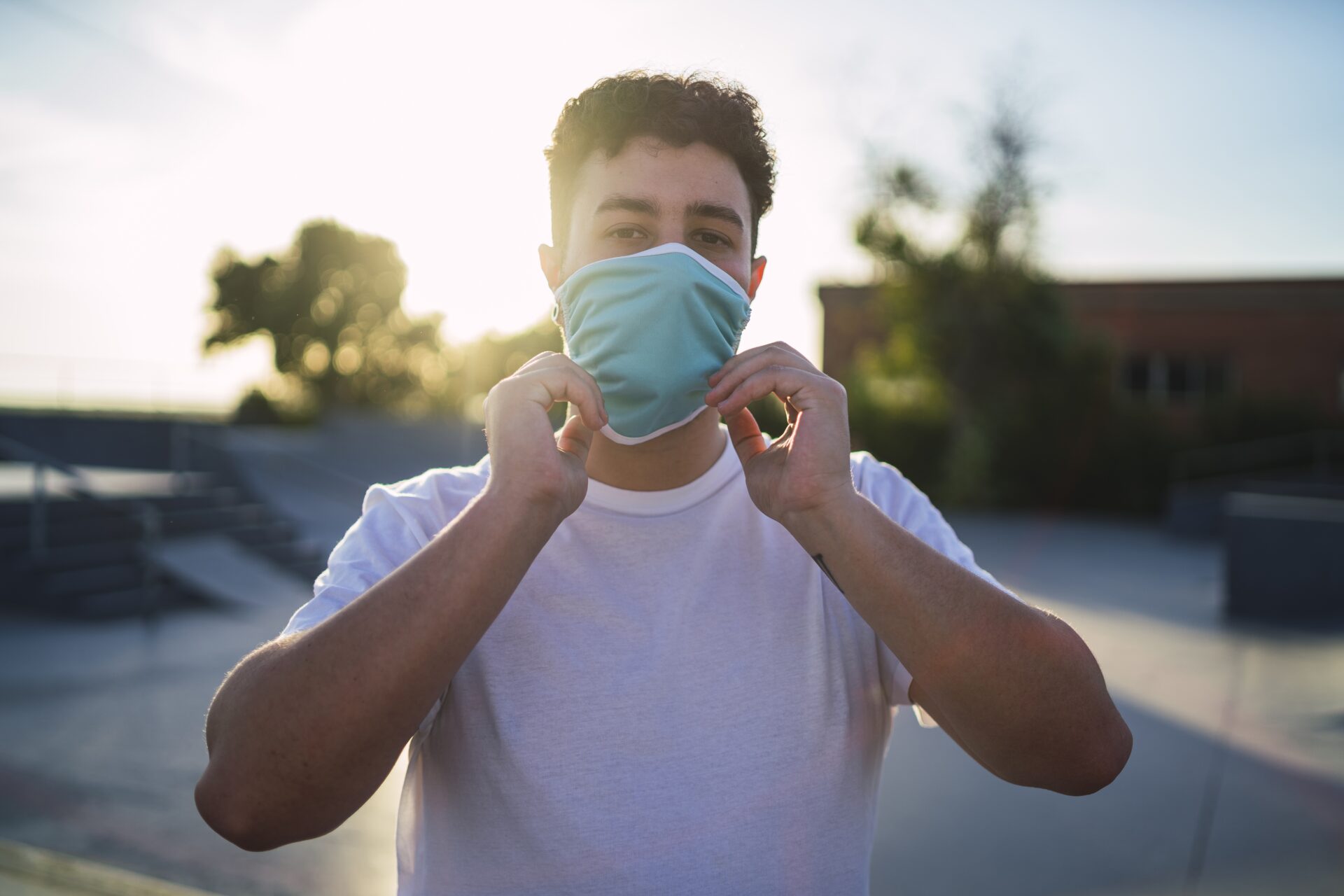
Trust eroded further when misinformation on social media gained ground, and even routine public health guidance—like wearing masks or getting vaccinated—became politicized.
Frontline Workers Still Feel the Toll
Inside hospitals, the strain was relentless. Dr. Craig Spencer, an emergency physician in New York City, compared the influx of patients in spring 2020 to working in international outbreak zones.
“There was just so much uncertainty,” Spencer said. “We were treating critically ill patients back to back while managing our own fears and families.”
While many Americans still trust their personal physicians, Spencer noted a broader decline in faith toward public health institutions. The fallout has led to dozens of state-level laws that restrict emergency health powers—limiting mandates on vaccines, masks, and even business closures.
What Comes Next?
As pandemic fatigue sets in and crisis-response professionals exit the workforce, the institutional knowledge gained from COVID-19 is at risk of being lost. Komendat, who retired in 2022, warned that many of the professionals who managed pandemic response efforts are no longer in the field.
This gap in experience could hinder future efforts if another global crisis emerges. “We don’t make friends in a crisis,” said Prout. “You build those relationships before the crisis, or you lose valuable time.”
Rebuilding Trust Is Crucial
Experts agree: rebuilding public trust and strengthening public-private partnerships is vital. That means having clear plans, investing in communication, and ensuring leadership across sectors is aligned with expert guidance.
As Rivkees noted, the U.S. has yet to conduct a national-level review of its pandemic response, unlike the comprehensive post-9/11 commission. Without bipartisan evaluation and planning, future health emergencies may be met with division instead of unity.
Spencer added that public skepticism won’t be easily reversed, especially with “non-mainstream voices” dominating social platforms. “Trust in every institution has cratered,” he said, “and public health has become a scapegoat.”
Final Takeaway: Readiness Is Not Optional
Five years after COVID-19 changed the world, one message rings clear:
Readiness, trust, and real-time action must be baked into security and public health systems—not activated as afterthoughts.
The pandemic revealed not only how unprepared the world was, but also how much more agile, cooperative, and grounded future responses need to be.