Article Originally Published Here
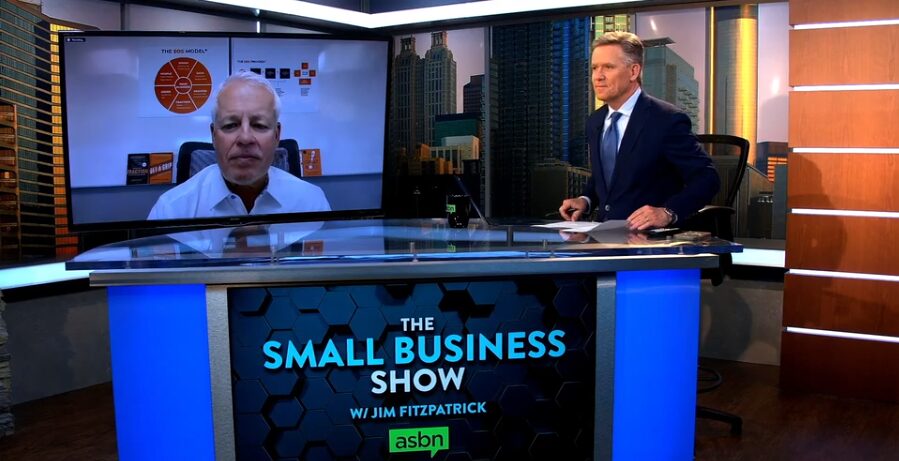
In today’s episode of The Small Business Show, we delve into the Entrepreneurial Operating System® (EOS®), a powerful framework designed to help entrepreneurs clarify their vision, set clear goals, and stay focused on what matters most for business success.
Key Takeaways:
- What is EOS? The EOS is a comprehensive framework consisting of simple concepts and practical tools aimed at helping entrepreneurs define their vision, set clear objectives, and focus on essential business elements. This system is particularly advantageous for small to medium-sized businesses and startups, addressing common challenges that traditional business management theories often overlook.
- Origins of EOS Created by lifelong entrepreneur Gino Wickman and his partner Don Tinney, EOS was developed to tackle recurring issues faced by entrepreneurs. Unlike business strategies designed for large corporations, EOS caters to the unique needs of small, agile, and adaptable businesses. The system includes a proven process that strengthens six key components of an organization: vision, people, data, issues, process, and traction.
- Six Key Components of EOS:
- Vision: Ensuring everyone in the organization aligns with the company’s core identity, long-term goals, and strategies.
- People: Placing the right individuals in the right roles.
- Data: Making decisions based on objective information.
- Issues: Promptly identifying and solving problems.
- Process: Streamlining and documenting processes for consistency and efficiency.
- Traction: Executing plans and holding individuals accountable to achieve desired results.
- Benefits of EOS EOS promotes clear communication, priority setting, and accountability within an organization. It aligns the leadership team and employees with the company’s goals, reducing internal conflicts and misunderstandings. Adaptable and sustainable, EOS can be integrated into a business without constant external consultancy, making it a long-term solution for growth and efficiency.
- EOS in the Post-COVID Remote Work Era In the current remote work environment, implementing a structured system like EOS is crucial for maintaining organizational culture, defining success metrics, and ensuring accountability. By focusing on results and clear communication, EOS enhances productivity and collaboration among remote teams, ensuring everyone works effectively towards common goals.