Article Originally Published Here
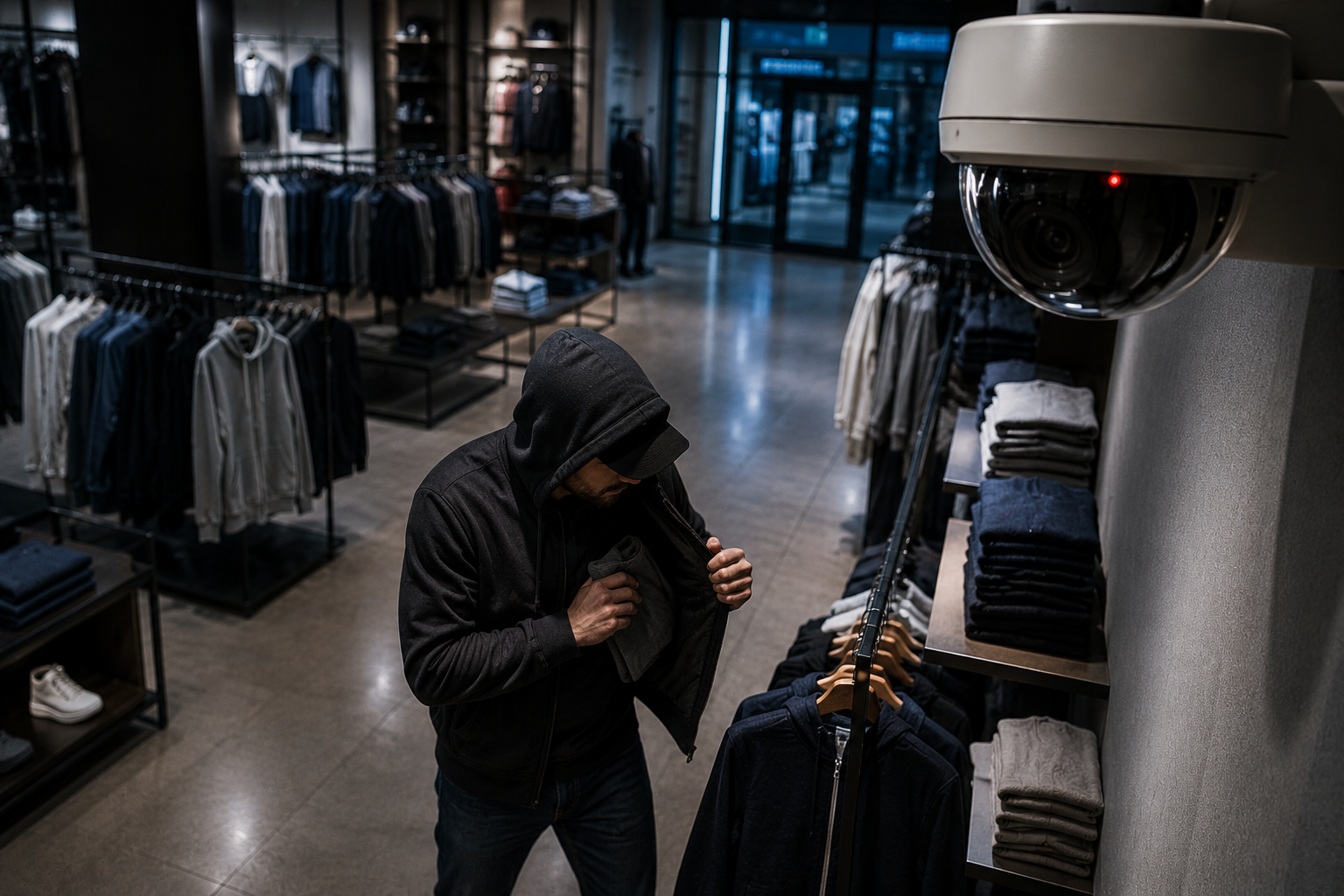
Shoplifting has long been associated with poverty, addiction, and youthful rebellion. However, an unexpected trend has emerged—affluent, middle-class women are increasingly engaging in theft. Unlike those who steal out of necessity, these individuals take goods for the thrill, exploiting self-checkouts and online marketplaces to avoid consequences.
According to the British Retail Consortium, the UK saw over 20 million shoplifting incidents in 2023/24, costing retailers £2.2 billion. Retailers such as John Lewis and the Co-op have described shoplifting as “out of control” and an “epidemic.” But what’s driving this shift among those who can afford to pay?
SWIPERS: The New Face of Shoplifting
Criminology professor Emmeline Taylor coined the term SWIPERS (Seemingly Well-Intentioned Patrons Engaged in Regular Shoplifting) to describe these well-dressed, socially respected individuals who engage in “accidental” theft.
“They steal by accident, or so they tell themselves,” explains Taylor. “If caught, they act oblivious. Their well-mannered appearance makes them believable.”
How Self-Checkout is Fueling Theft
The rise of self-checkout machines has made it easier than ever to shoplift undetected. UK supermarkets have increased the number of self-checkouts from 53,000 to 80,000 in the last five years, creating more opportunities for discreet theft.
What often starts as an honest mistake—forgetting to scan an item—quickly turns into intentional theft. Shoppers realize they can get away with it, experience an adrenaline rush, and begin justifying their actions.
Taylor explains, “Many SWIPERS convince themselves they’re not stealing. They see big retailers as the ‘real criminals’ for inflating prices. Criminologists call this ‘techniques of neutralization’—a psychological process where individuals justify unethical behavior while still seeing themselves as good people.”
Shoplifting as an Adrenaline Rush
While some individuals steal for economic reasons, SWIPERS shoplift for the thrill. Psychologists suggest that stealing triggers a dopamine rush, similar to gambling or other high-risk behaviors.
Emma, a 42-year-old from Surrey, admits she has been shoplifting for over 20 years, despite coming from a wealthy background.
“It’s not about what I can afford—it’s about what I can get away with,” she confesses. “If I throw five avocados in my basket without scanning, I feel a rush of excitement as I leave the store. It feels like a small victory against retailers charging me £15 for razor blades.”
For many, stealing becomes a habit, reinforced by the low likelihood of getting caught and the belief that they’re doing no real harm.
The Growth of Stolen Goods on Social Media
Beyond self-checkout theft, middle-class consumers are increasingly buying stolen goods on platforms like Facebook Marketplace. Discounted luxury items, bulk groceries, and electronics often come from stolen inventory.
“If a seller has a few cases of olive oil alongside a couple of televisions, it’s probably stolen,” says Taylor. “Yet many buyers justify the purchase, telling themselves the price hikes in stores are unfair.”
Retailers Fight Back: The Crackdown on Shoplifting
Retailers and law enforcement are taking retail theft more seriously than ever.
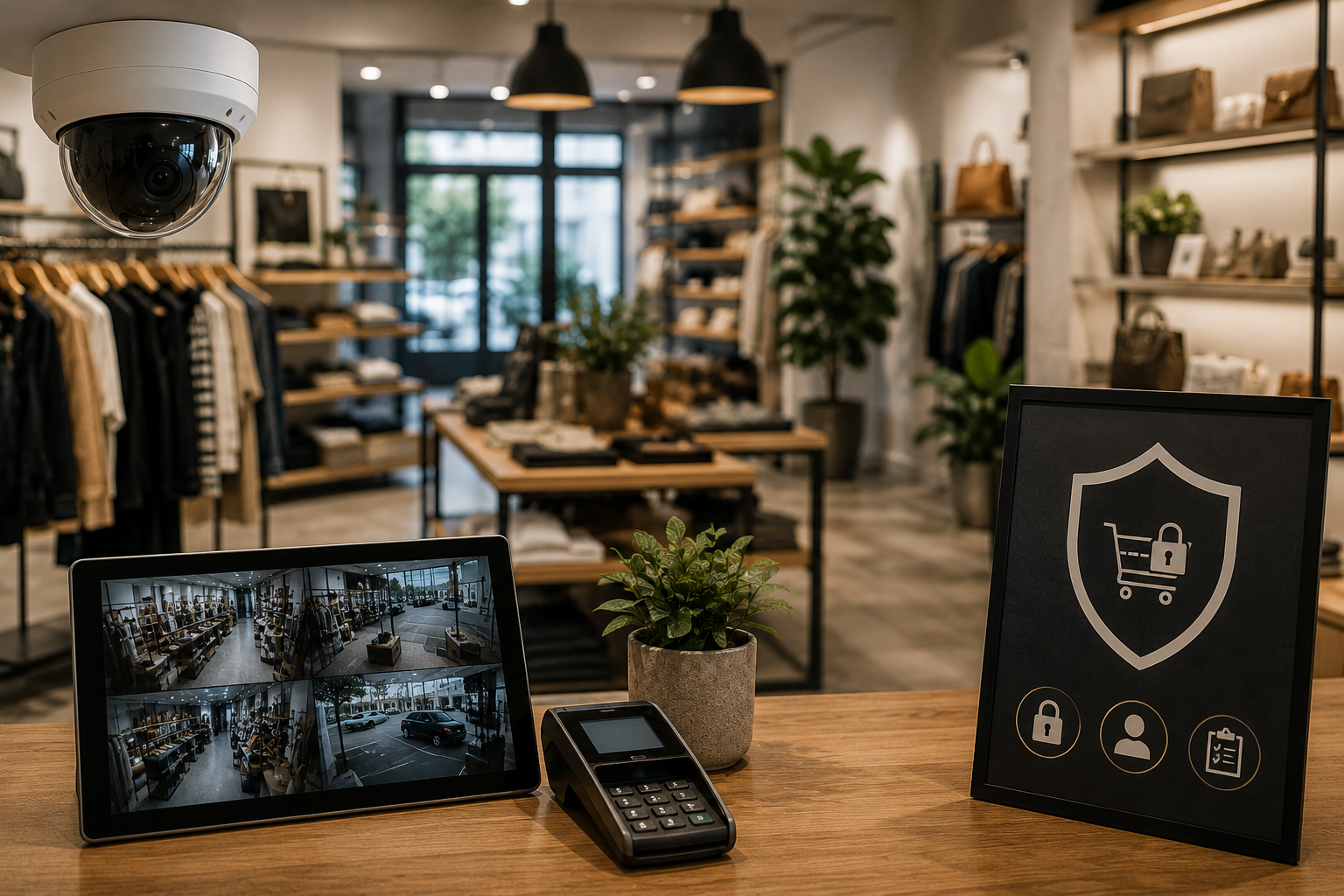
- New technology, including AI-driven facial recognition and intelligent CCTV, is being used to detect suspicious behavior.
- Repeat offenders may face bans from entire shopping districts and electronic tagging.
- The Retail Crime Action Plan has been introduced to increase police involvement in prosecuting shoplifters.
While shoplifting under £200 is currently punishable by up to six months in custody, those stealing higher-value goods face up to seven years in prison.