Article Originally Published Here.
Body-worn cameras for retail security officers offer a strategic advantage
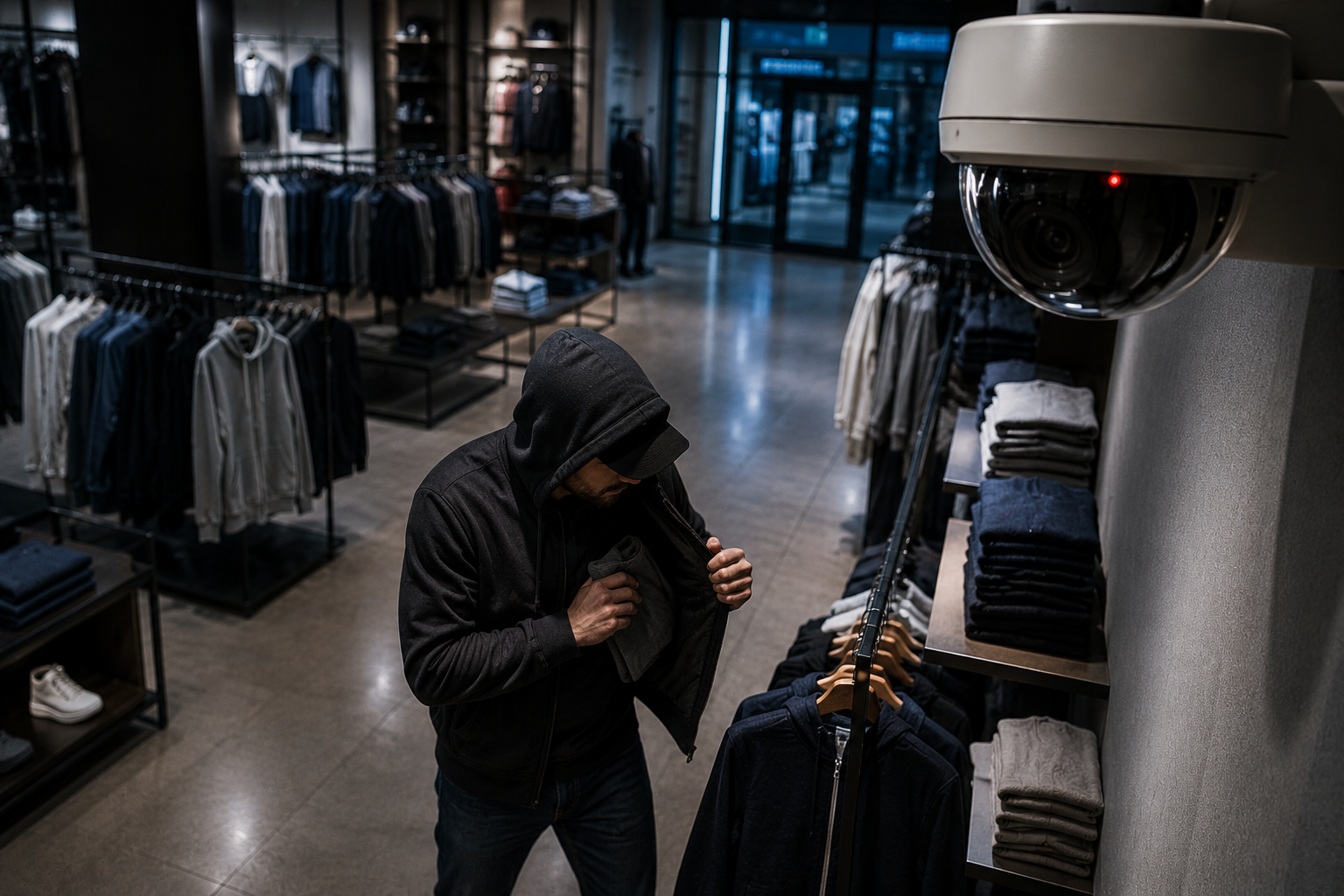
The retail sector is grappling with complex security challenges, from opportunistic theft to sophisticated organised crime and a troubling rise in violence and abuse directed at staff.
In response, many organisations are trialling technology to safeguard colleagues and stock.
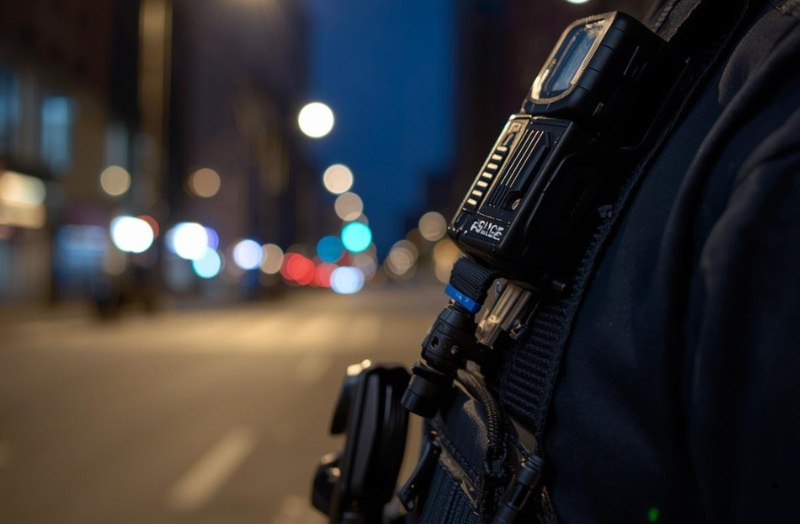
Body-worn cameras (BWCs) for security officers are one of the most popular options, yet perspectives on their optimal use vary.
For some, their primary function lies in deterrence, creating a visible reminder that unlawful behaviour will be recorded and, in some cases, discouraging potential offenders.
For others, the emphasis is on capturing high-quality footage to hold offenders accountable.
BWCs serve either purpose, but retailers should consider how best to deploy them and which mode to adopt for devices.
Closing the evidence gap
Gaps in quality evidence leave 75% of retail crime reports unactioned. BWCs capture footage that can be used alongside CCTV to document criminal activity in stores, providing critical evidence to help police build cases.
Across major landmarks and retail outlets, Mitie has over 10,000 live connections to BWCs. Much of this footage is processed at our Intelligence Security Operation Centre (ISOC) by analysts who create case files for the police where necessary.
From April 2023 to October 2025, footage from technology, including BWCs, collated at the ISOC enabled 1,236 arrests – almost 10 arrests a week.
Prioritising prevention
Prevention is a key driver for deploying BWCs and larger camera models, which are more prominent to potential criminals and are favoured for deterring theft.
Our retail security officers report incidents of offenders abandoning stolen goods after hearing they have been recorded.
Shop floor safety
One in 10 of Mitie’s retail security officers have been victims of violence, and the British Retail Consortium (BRC) reports that nearly half of retail employees fear for their safety at work. This surge in abuse presents a serious challenge to daily operations, staff retention, and recruitment.
BWCs are increasingly deployed to address this, offering reassurance to colleagues, helping them feel safer at work. For many retailers, staff protection is a top priority when selecting security technology.
The cost of connectivity
While BWCs have been adopted by many large retailers, smaller brands are slower to adopt. Cost is a critical factor. Real-time data collection requires live connections and reliable Wi-Fi, which can be expensive to install and maintain.
For smaller businesses, 4G-enabled devices present a practical alternative. These devices deliver the same core service without the need for costly infrastructure upgrades, although they can be less reliable in areas with poor signal coverage.
Organisations must balance the costs of infrastructure upgrades, data plans, and integration with existing systems when deciding how best to deploy BWCs. Ultimately, the financial considerations are as important as the operational benefits in shaping how this technology is adopted across the sector.
Future-proofing functionality
Already, there are indications of how AI will transform the use of BWCs. Real-time threat detection, facial recognition, and enhanced live support for staff could expand the functionality of these devices.
BWCs deter criminals and help to create evidence. As retailers continue to explore emerging technologies like AI, there is potential for these devices to be used in conjunction and become even more critical to protecting people and places.