
Article Originally Published Here
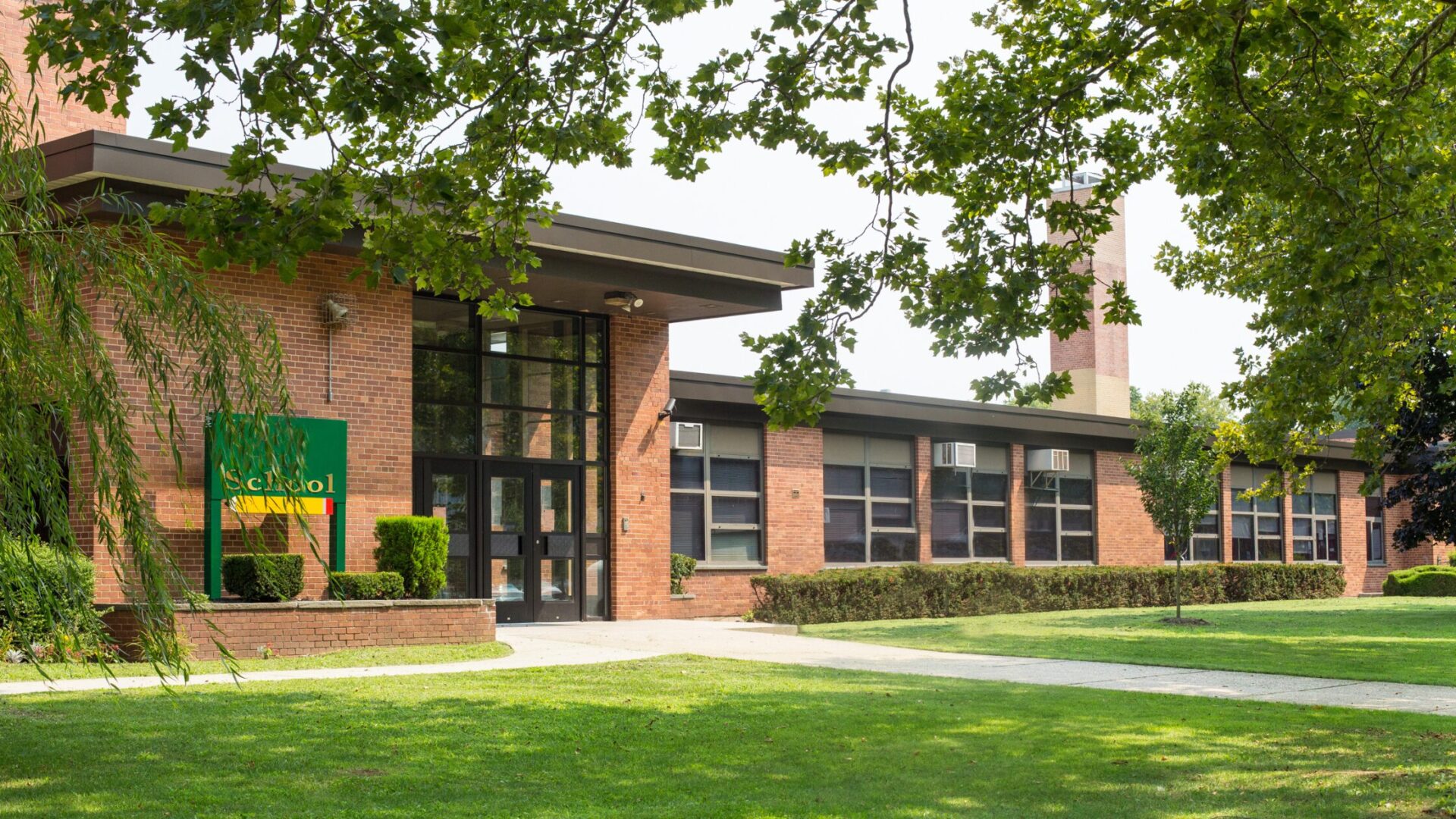
Despite increasing awareness and investments in campus safety, a new report reveals that most school administrators remain concerned about one of the most critical access points: the front door. According to Singlewire Software’s 2025 School Entrance Security Report, fewer than 1 in 5 school staff members consider their main entrances “completely secure.”
The report, based on responses from over 500 school employees across the United States, offers a revealing look at the current state of entrance security in K–12 education. It highlights where schools are making progress, and where significant vulnerabilities still exist.
READ: Armed Security Coming to Commack Schools Amid Rising Safety Concerns
Just 17% of Schools Feel Their Entrances Are Truly Secure
The standout finding from the report is that only 17% of school staff said their entrance security was “completely secure.” This low number underscores persistent challenges that prevent schools from fully controlling access and screening visitors effectively.
Among the top reasons cited for this insecurity:
- 31% said guests not following check-in procedures was a major issue.
- 30% cited a lack of staff to manage entrances properly.
- 24% reported having no reliable method to verify visitor identities.
These responses reflect ongoing concerns about balancing open access for legitimate visitors with maintaining robust protection against unauthorized individuals or potential threats.
Monitoring Is Common, But Not Universal
While most schools have taken steps to improve entrance supervision, gaps remain. According to the survey:
- 59% of respondents said entrances are monitored 24/7, including weekends and after-school hours.
- 32% reported that monitoring only occurs during the school day.
This means that nearly 1 in 10 schools may have periods with little or no entrance oversight, leaving them potentially vulnerable during off-peak times.
School Entrance Security Protocols Are Improving, but Still Have Room to Grow
Despite the concerns, many school staff members feel confident in the procedures currently in place. When asked to rate their school’s existing entrance security measures:
- 32% rated them as “Excellent”
- 50% called them “Good”
This suggests that while most staff members recognize room for improvement, there is also broad recognition that many schools have already implemented important safety protocols.
Heavy Reliance on Video Surveillance
One of the most common tools used to enhance entrance security is video surveillance. The report found that:
- 89% of schools use video systems to monitor entrances.
- 43% plan to upgrade or expand their surveillance capabilities within the next two years.
These numbers suggest that schools continue to prioritize visual monitoring as a first line of defense, but also see technology upgrades as essential to keeping pace with evolving threats.
Communication Systems Are a Strength
One of the most encouraging findings from the report is that schools appear to be well-equipped with communication tools in case of emergencies or suspicious activity:
- 89% of respondents said they know exactly what to do if a problem arises at the front entrance.
- Only 1% of schools reported having no communication system in place, a sign that districts recognize the importance of rapid, coordinated responses.
These systems may include intercoms, visitor check-in apps, automated alerts, and integrations with emergency management software, tools that enable school personnel to act swiftly and decisively.
Expert Perspective on School Entrance & Safety: “Security Begins at the Door”
Terry Swanson, president and CEO of Singlewire Software, emphasized the importance of entrance security as a frontline defense.
“School safety starts at the front door,” Swanson stated. “With a secure entrance, schools have the opportunity to stop threats before they gain access to the building.”
His comments reflect the broader trend in school safety that prioritizes preventive measures, rather than relying solely on reactionary responses.
Joanna Haugland, chief product officer for Visitor Aware, echoed this sentiment, pointing to a need for proactive tools that can help schools detect and prevent potential threats at the entry point.
“As schools look for ways to further enhance entrance safety, proactive tools that help identify potential threats and prevent them from accessing buildings will play a crucial role in keeping students and staff safe from harm,” she said.
Moving Forward: What Can Be Done to Improve School Entrance Security
While schools are clearly making strides in entrance security, this report shows that many still lack the resources, staffing, or technology needed to achieve full confidence in their systems. To close these gaps, experts recommend the following actions:
- Invest in visitor management systems with ID verification
- Upgrade surveillance systems with facial recognition or motion detection
- Provide training for front office staff on threat identification and protocol adherence
- Improve guest check-in compliance through clear signage and education
- Consider staffing additional personnel during peak hours or events
As safety concerns evolve, schools must continue adapting their security strategies—especially around points of entry—to ensure all students, staff, and visitors are protected.
Final Thoughts
The 2025 School Entrance Security Report sheds light on a crucial but often overlooked aspect of campus safety. While many schools are investing in surveillance and communication tools, significant vulnerabilities remain when it comes to verifying visitor identities, maintaining staffing levels, and enforcing consistent check-in procedures.
As schools strive to create safer learning environments, securing the front door should remain a top priority. For administrators, parents, and communities alike, entrance security isn’t just a physical barrier, it’s the first step in protecting everyone inside.






2 Responses