Article Originally Published Here
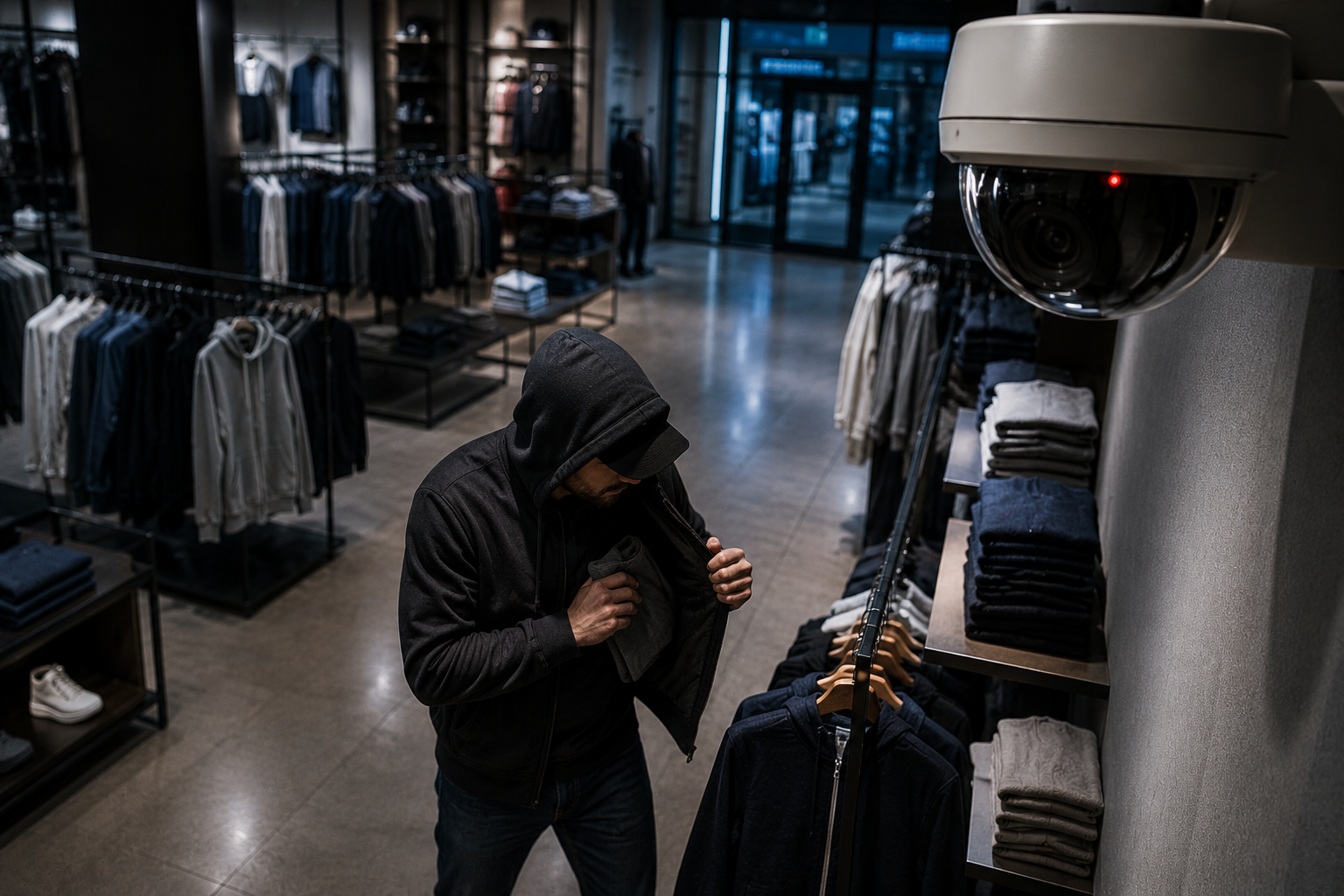
In an effort to curb the rising instances of retail theft, the Manhattan District Attorney’s office is emphasizing the use of trespass notices—a longstanding but underutilized tool that empowers businesses to ban individuals who have previously engaged in shoplifting. By serving these notices, store owners can escalate subsequent offenses from misdemeanors to felonies, thereby imposing stricter consequences on repeat offenders.
Understanding Trespass Notices
A trespass notice is a formal document that a property owner or authorized representative can issue to an individual who has committed an offense, such as shoplifting, on their premises. This notice explicitly informs the individual that they are prohibited from returning to the specified location. If the individual disregards this warning and reenters the premises, any further unlawful activity can lead to felony charges. The primary objective is to secure felony indictments, which not only increase the likelihood of incarceration but also open avenues for rehabilitation programs. Notably, statistics indicate that 85% of defendants who complete such treatment programs successfully avoid committing new felonies within three years.
READ: Gunfire Erupts at Downtown Los Angeles Target, Injuring Two Security Guards
Implementing the Strategy Across Boroughs
While the trespass notice is not a new concept, the Manhattan DA’s office, in collaboration with the NYPD, has initiated borough-wide training sessions to educate retailers on effectively utilizing this tool. Prominent businesses, including Macy’s, Duane Reade, and Krispy Kreme, have participated in these sessions. Matthew Bauer, president of the Madison Avenue Business Improvement District, expressed optimism about the initiative, stating, “We really believe that it will be an important tool to combat recidivism in retail theft.”
As of late December, the Manhattan DA’s office is prosecuting 74 trespass burglary cases, with 44 indictments ready for trial. However, awareness and implementation of trespass notices vary across boroughs. Nelson Eusebio, representing supermarket owners in Queens, noted that some police officers in the area are unfamiliar with the notice procedure, leading to hesitancy among store owners to engage with suspects through this method. Eusebio emphasized the need for action, stating, “For them, it’s another burden and being safe in their stores and in their workplace. They do it reluctantly, they do it, but they are desperate and they want action.”
To address these challenges, the DA’s office ensures that neighborhood coordination officers attend training sessions alongside retailers, fostering a unified approach to serving trespass notices and reducing retail theft.
Conclusion
The strategic use of trespass notices offers a promising avenue for mitigating repeat offenses in New York City’s retail sector. By empowering businesses to take proactive measures and enhancing collaboration with law enforcement, this approach aims to create a safer environment for both retailers and consumers.