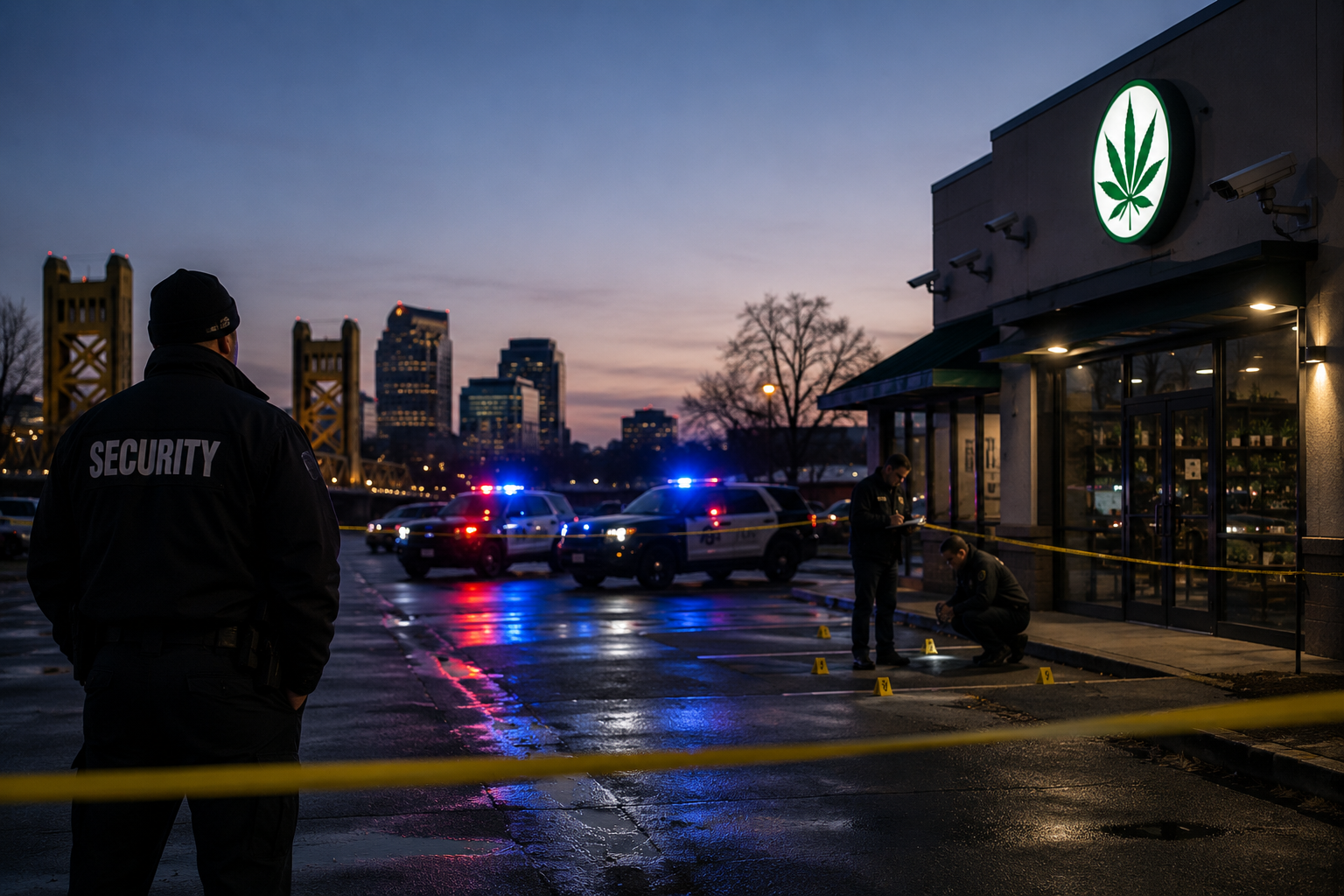
A fatal shooting outside a Portland Jewish preschool has raised serious questions about the role and limitations of armed security personnel. Multnomah County District Attorney’s Office has ruled no charges against Eric Salisbury, the armed security guard involved, citing self-defense. However, deeper examination of body camera footage and expert commentary highlights key concerns about use of force, training, and escalation protocols.
Incident Overview: A Flash of Fear in the Parking Lot
On the afternoon of May 8, Eric Salisbury, a licensed armed security guard, was patrolling the parking lot of The Gan Preschool in Portland when 32‑year‑old Manuel Castillo Garza IV drove through at high speed. Videos show Garza nearly missed Salisbury.
READ: San Rafael Mall Security Guard Faces Charges After Alleged Bike Attack
According to police reports, Garza exited his car from a nearby medical clinic lot and rushed toward Salisbury, prompting a physical struggle during which Salisbury placed his arms around Garza’s neck. During the altercation, Salisbury fired one shot at Garza’s abdomen. Garza succumbed to his injuries 15 days later. Investigators note that although Salisbury had pepper spray, he was unable to access it during the struggle.
DA’s ruling highlighted the guard’s right to self-defense based on Garza’s aggressive actions and bodily threat during the confrontation.
Dissecting the Footage: Expert Opinion on Escalation
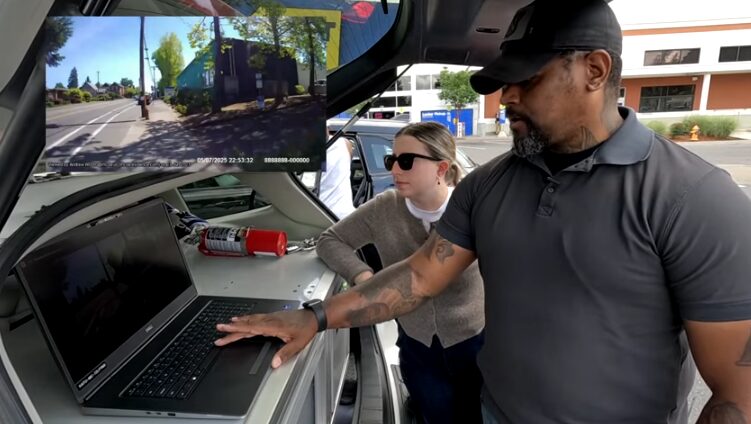
Security industry consultant Damian Bunting, unaffiliated with the incident, analyzed the body cam footage and expressed concern with Salisbury’s response. Bunting highlighted several critical issues:
- Why did Salisbury pursue Garza beyond his assigned property?
- Why did he bypass calling 911 and instead physically engage?
- Why use neck restraint rather than verbal de-escalation?
According to Bunting, initiating any form of physical engagement (especially a neck hold) increased risk and escalated the situation. He suggests that a 911 call and maintaining a safe perimeter would have been the preferred course of action. His video reaction challenges common assumptions about armed security responsibilities.
Training Gaps: What Should Security Protocols Include?
Body cam footage highlights behavior that may exceed typical private security expectations. Many private guards do not receive de-escalation or physical engagement training beyond report-writing and surveillance. Bunting suggests updated protocols covering:
- maintaining position within contracted areas
- verbal crisis intervention techniques
- safe distancing and communication skills
- strict escalation paths before reaching physical intervention
He emphasizes that armed guards should only engage physically in situations of imminent lethal threat, not potential risks. His advice to Salisbury would prioritize retreat and contact law enforcement rather than entering a physical confrontation.
Legal and Contractual Boundaries: Civilian vs. Law Enforcement Authority
A central concern is the misunderstanding of authority by private security. Salisbury, legally armed, carried only civilian use-of-force rights unless deputized or commissioned. That means he was not empowered to make an arrest or chase individuals across property boundaries. By crossing into private property not assigned to him, Salisbury may have violated contractual work zones.
The DA’s determination of self-defense does not absolve civil liability risks. Private guards, like Salisbury, can face lawsuits even without criminal charges, especially if they exceed their authority or misinterpret threats.
The Broader Implications for Armed Security
This incident offers a pivotal teachable moment for private security firms and clients:
- Strict adherence to contract-defined boundaries prevents liability and escalation.
- De-escalation training should be standard for armed guards.
- Defined escalation protocols must be documented and enforced.
- Continual review of contractors to verify licensing, training, and performance.
These standards are essential when placing armed personnel in sensitive environments such as schools, religious institutions, hospitals, and clinics.
Strengthening Policies: Moving Toward Safer Outcomes
To reduce future risks and improve public safety, private security providers and their clients should consider:
- Requiring armed contract staff to always carry non-lethal alternatives and receive periodic drills.
- Mandating clear operational policies, no pursuit of individuals outside assigned zones.
- Conducting regular audits of body cam footage and reporting systems.
- Engaging community stakeholders to build transparency and accountability.
By aligning policy with practice (and emphasizing communication over confrontation) private security can better fulfill its mission without crossing lines.
Final Reflection: Balancing Protection and Restraint
The Salisbury case underscores the unique balance required in modern private security: providing protection while respecting legal, ethical, and contractual limits. As more armed guards appear in public-facing roles, ensuring they act as deterrents (rather than sources of escalation) depends on rigorous training, meaningful oversight, and a culture of accountability.
During an altercation, a split-second decision can result in fatal consequences, regardless of legal justification. As private security continues to play a growing role in public and private spaces, this incident serves as a vital reminder that restraint, communication, and clarity must guide every deployment.