
Article Originally Published Here
Rethinking Public Safety Through Collaboration
As police departments across the U.S. face a crisis in recruitment, retention, and resourcing, private security is stepping into roles traditionally occupied by sworn officers. But this shift presents an important question: Can private security and public law enforcement form an effective partnership that preserves trust, equity, and accountability?
The short answer is yes—but only with thoughtful regulation, clearly defined roles, and a shared vision for community safety. With law enforcement agencies stretched thin and crime evolving in complexity and scale, integrating private security into public safety infrastructure is no longer a distant possibility. It’s a necessary evolution.
READ: From Watchmen to Security Pros: How the Industry Transformed Over 50 Years
The Crisis at Hand: Law Enforcement Under Pressure
Nearly 78% of U.S. law enforcement agencies report difficulty attracting new recruits, and over half are operating below budgeted staffing levels. Departments have experienced spikes in resignations and retirements, while potential recruits seek careers with better work-life balance and less personal risk. In San Francisco alone, a 500-officer shortfall has contributed to increased crime and delayed emergency responses.
In this vacuum, private security firms have grown rapidly. Today, private security personnel outnumber sworn officers nearly 3 to 1. With faster response times, customizable services, and advanced technology, these firms are increasingly hired by businesses, residential areas, and even local governments.
However, the rapid rise of private security brings its own challenges. A lack of standardized training, unclear legal boundaries, and limited oversight has sparked concerns over liability, equity, and accountability. Without proper frameworks, this growing reliance risks undermining the integrity of public safety.
A Long History and a New Role
Private security isn’t new. Dating back to the 19th century, firms like Pinkerton and Wells Fargo played critical roles in protecting commerce and infrastructure. Pinkerton agents, for instance, once foiled an assassination attempt on President-elect Abraham Lincoln. Yet today’s environment is vastly more complex, and the stakes are higher.
Unlike public police departments bound by strict oversight and training requirements, many private officers undergo minimal instruction—sometimes just 40 hours—before being deployed. This inconsistency in training and expectations creates legal ambiguity and public skepticism.
Meanwhile, advanced surveillance tools and predictive technologies, often unaffordable for underfunded police departments, are increasingly used by private firms. This tech disparity—combined with the lack of shared data systems—creates silos that hinder effective, cohesive policing.
The Crisis: Pitfalls of a Parallel System
Current dynamics create a fragmented public safety model. Police handle violent crimes and emergencies; private security addresses nonemergency issues and deterrence. But without coordination, this parallel approach can compromise service quality, transparency, and public trust.
Some fear that privatization could shift essential resources away from police departments. Others worry about the risk of a two-tiered safety model—premium protection for affluent areas and minimal coverage for lower-income communities. Lawsuits have already emerged in cities where private firms have overstepped their authority.
These concerns highlight the urgent need for legal clarity and structured partnerships. The question is no longer whether private security should play a role in public safety, but how to ensure that role is effective, equitable, and accountable.
Building the Future: A Collaborative Safety Model
To address the evolving safety landscape, law enforcement must stop viewing private security as competition and instead recognize it as a complementary force. Strategic partnerships can maximize resources, streamline response efforts, and provide a united front against crime.
Examples of successful collaboration already exist:
- Los Angeles has seen a 28% drop in homicides since implementing partnerships with community organizations and private security.
- Chicago neighborhoods hiring private firms report improved perceptions of safety and better crime prevention outcomes.
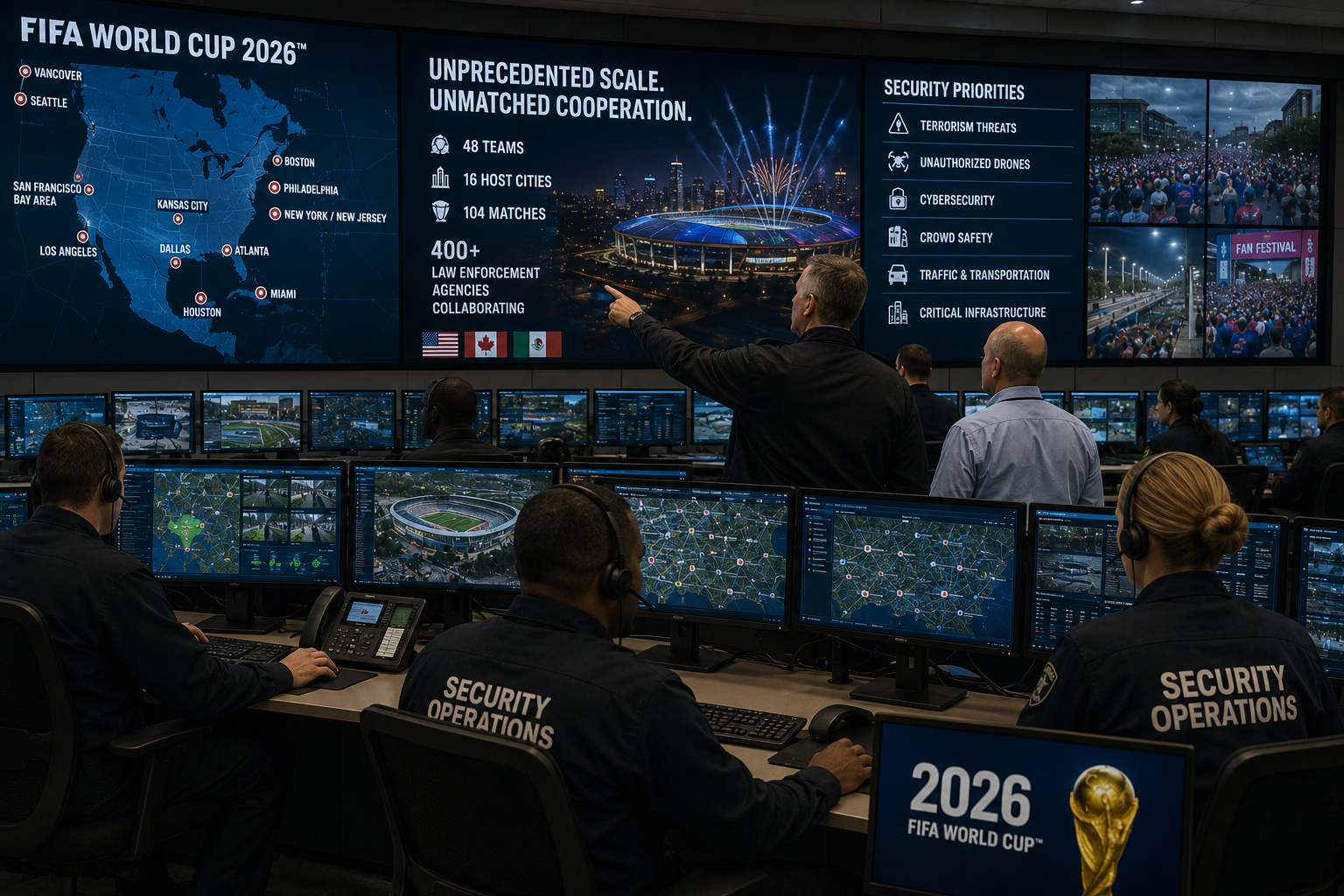
- Atlanta’s Operation Shield integrates over 10,000 surveillance cameras from public and private sources, improving emergency response and crime deterrence.
These case studies demonstrate that structured collaboration between police and private security can improve public safety without compromising community trust.
Key Recommendations: A Roadmap for Integration
A March 2024 expert panel outlined five actionable steps to develop effective public-private safety partnerships:
1. Define Roles and Legal Boundaries
Set clear protocols for when and how private security engages with law enforcement. Create legal standards ensuring transparency and accountability. For example, expanding California’s PC 832 certification for private security in public-facing roles would help standardize practices across the state.
2. Standardize Training and Certification
Private officers should receive training on de-escalation, use of force, and crisis management similar to police training. Joint sessions can build trust and communication between both sectors, ensuring they operate as a cohesive team in the field.
3. Share Technology and Data
Cities should implement systems that allow for shared crime data and joint reporting. Legal barriers to database access must be addressed with clear privacy safeguards. Advanced tools such as AI-driven surveillance and predictive analytics should be deployed across both sectors.
4. Foster Public-Private Partnerships
Encourage businesses using private security to also fund community safety initiatives. Establish citywide stakeholder groups—including police, private firms, and community leaders—to plan crime prevention strategies. Models in Dallas and Atlanta show that inclusive collaboration yields measurable benefits.
5. Enhance Transparency and Public Trust
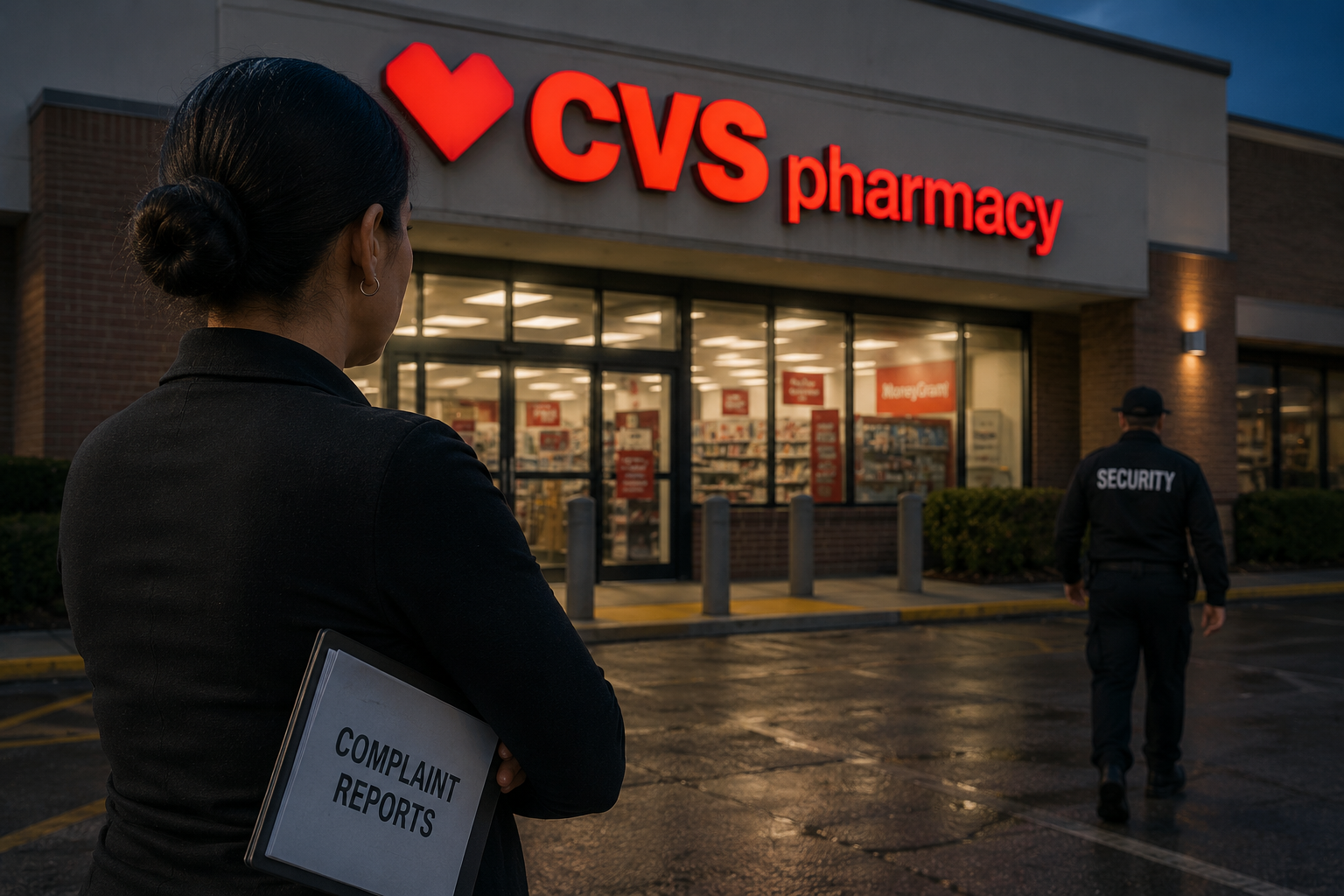
Private security firms must follow strict reporting guidelines, particularly for incidents involving force or complaints. Educating the public on how these officers work with police—not in place of them—can build confidence and community engagement.
Looking Ahead: Equitable Safety for All
The future of public safety lies in integration, not isolation. A hybrid model—where police departments and private security firms operate in partnership, not competition—offers a viable path forward. But that model must be guided by fairness, oversight, and accountability.
Importantly, equity must be a core principle. If private security only serves wealthy districts, the partnership will deepen social divides. Instead, public-private efforts should be structured to uplift all communities. For instance, cities can require business districts with private patrols to contribute to broader public safety efforts in underserved areas.
Programs like Baltimore’s “Citizens on Patrol,” San Francisco’s business improvement districts, and Atlanta’s combined surveillance infrastructure prove that such partnerships are not theoretical—they are already shaping safer communities.
By defining clear boundaries, investing in joint training, leveraging technology, and prioritizing equity, we can build a security system where public and private forces work together to protect everyone.



5 Responses
This is a trend that is going to be more popular in the future as municipal budgets decrease and demand for services increases. There is no reason for an academy certified police officer to respond to a report for a lost cell phone, non injury car accident, burglar alarm, civil complaints such as a noise complaint or blocking a flooded road while babysitting a d
owned tree in utility wires. As far as training, I can speak from experience that the Certified Protection Officer program offered by the International Foundation for Protection Officers is just as good as a Peace Officer academy. I attended my academy in 1996 and found that other than the issue of warrants and the firearms training, the academy was a review of the courses I took to be certified by IFPO as a CPO in 1988, and the program has expanded greatly since then. IFPO is recognized around the world as the gold standard of Security training and other than learning some in house rules, an IFPO trained officer can work anywhere as the basics are exactly the same no matter where you work. Security Officers are going to be the new Civil Defense Auxiliary Police units of the 50’s and 60’s. It worked then and can work now, especially since there is so much training and technology out there to create a truly professional Security Police division in a municipality and the unit can operate under any police department’s community policing division. This would also go a long way in bridging the gap between Security and Police as they work side by side protecting their community, while law enforcement supervision would ensure that only the top security candidates would be working in that capacity.