Article Originally Published Here
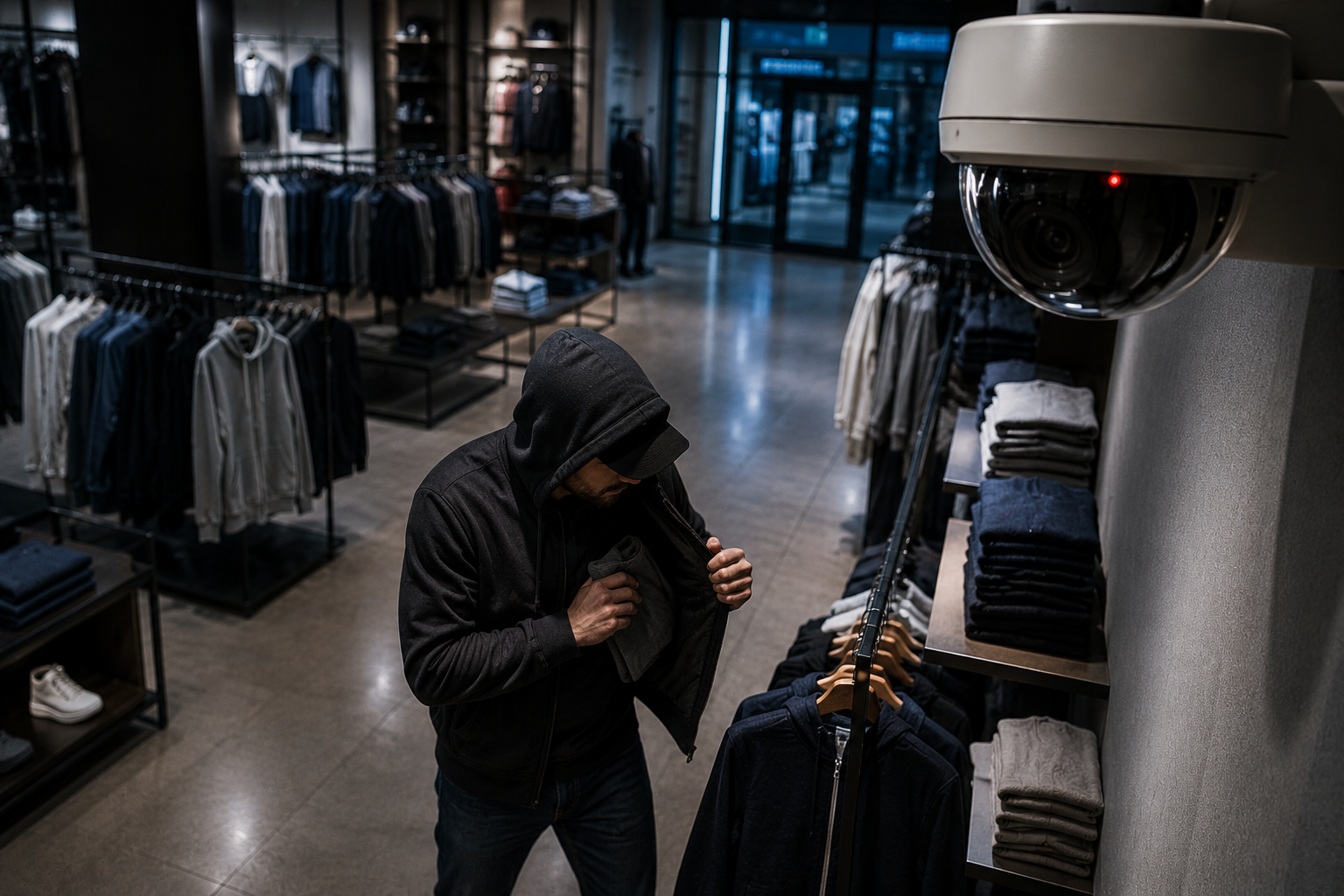
Billionaire investor and Shark Tank judge Mark Cuban has issued a blunt message to retailers: as retail theft continues to surge, stores must choose between strict anti-theft measures, like locking up goods or using facial recognition, and accepting some level of theft as inevitable.
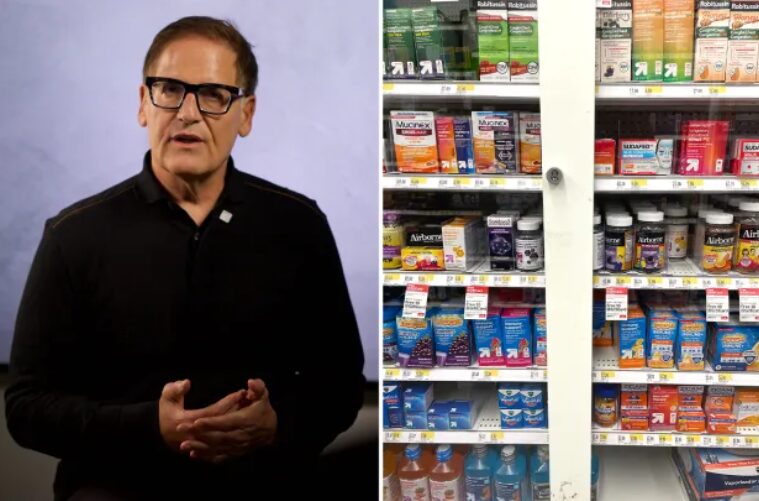
In a recent interview with The U.S. Sun, Cuban explained that it’s up to each business to decide on its anti-theft policies based on economic considerations. While he described locking up products as a “draconian response,” he acknowledged that it might be necessary for certain stores to prevent ongoing shoplifting.
“You know, every store makes that economic determination,” Cuban stated. “Do you put cameras everywhere? Do you require facial recognition? Or do you accept some theft and avoid upsetting customers with strict measures?”
Surge in Retail Theft Across the U.S.
Cuban’s comments come amidst a significant rise in retail theft nationwide. The Council on Criminal Justice reported that shoplifting in major cities increased by 24% in the first half of 2024 compared to the previous year. New York City saw a 64% rise in theft from 2019 to mid-2023, while Los Angeles experienced a staggering 109% increase in incidents from 2022 to 2023.
Rising costs of living and inflation are major drivers behind this surge. A LendingTree survey revealed that 20% of Americans admitted to stealing within the past year, with 90% citing inflation and economic hardship as motivating factors.
READ: Walmart Security Guard Pistol-Whipped by Shoplifter in Nashville
Retailers Responding with Security Measures
In response to the increase in shoplifting, retailers such as CVS, Walmart, and Target have implemented stricter security protocols, including locking up items and hiring additional security staff. CVS, for example, plans to close 900 stores nationwide, citing theft as a factor in the decision. Walgreens also announced it will close 200 stores by 2024.
Target reported a $500 million loss attributed to organized retail crime and petty theft, leading the company to close nine stores due to risks to employees and customers.