Article Originally Published Here
Outdoor events and music festivals are unique by design. Organizers often make changes year after year, not only to the lineup but also to the layout and overall experience. These adjustments keep attendees engaged but also create unique challenges for security teams.
“At the Coachella Music Festival and Stagecoach, over the past three or four years, they’ve moved different things around on the property just to kind of enhance the guest experience and make it where it’s not the same year after year,” says Travis Strawbridge, senior regional director for special events at Allied Universal.
Because venues for these events are often temporary, support areas such as food stands, restrooms, and first aid stations are constructed in days and dismantled just as quickly. Security operations must also be built from scratch each time, requiring careful planning and adaptability.
Preparation Starts Early
“At a permanent arena, everything is in place. You know where the gates are. You know where the crowd flow is going to be. Everything is stagnant,” says Andrew LaMadrid, vice president of sales for Unified Command Solutions, an Allied Universal company. “When you enter the music festival world, they’re building everything from scratch.”
Timing is critical. For example, surveillance cameras should not be installed too early, as temporary signage or structures may block their view later. However, waiting too long risks interfering with final event preparations.
Most experts recommend starting risk assessments at least 90 to 120 days before an event. This allows time for coordination with stakeholders, site surveys, and contingency planning, explains Shannon Torres, customer success manager at 911inform and former chief of police for Keyport Borough, New Jersey.
Outdoor events have unique considerations, such as fluctuating ticket sales that can change perimeter fence placement. Security teams must remain alert to ensure adjustments don’t create vulnerabilities, like easily accessible openings or low barriers.
Adapting to Attendee Behavior
Risk assessments should account for crowd behavior, which can vary by event type. LaMadrid notes patterns in attendee behavior: electronic dance music events may see higher drug use, country music festivals often involve heavy alcohol consumption, and rock concerts can lead to mosh pits and crowd surfing.
“You actually start seeing patterns and you start responding appropriately to how [attendees] interact,” he says.
Torres advises treating risk assessments as “living documents” that are updated as conditions change, whether due to weather forecasts, intelligence updates, or logistical changes. Flexibility and the ability to pivot are essential.
Communication is Key
With a temporary venue, familiarity is limited. LaMadrid emphasizes the importance of standardized communication protocols so everyone understands how incidents are reported and handled. Clear communication helps prevent congestion on channels and supports effective incident management.
Building Partnerships
Successful event security depends on collaboration with local law enforcement, government agencies, and stakeholders.
“An effective risk assessment starts with assembling a qualified team of professionals—public safety officials, emergency managers, private security leaders, event coordinators, and technology partners,” Torres says.
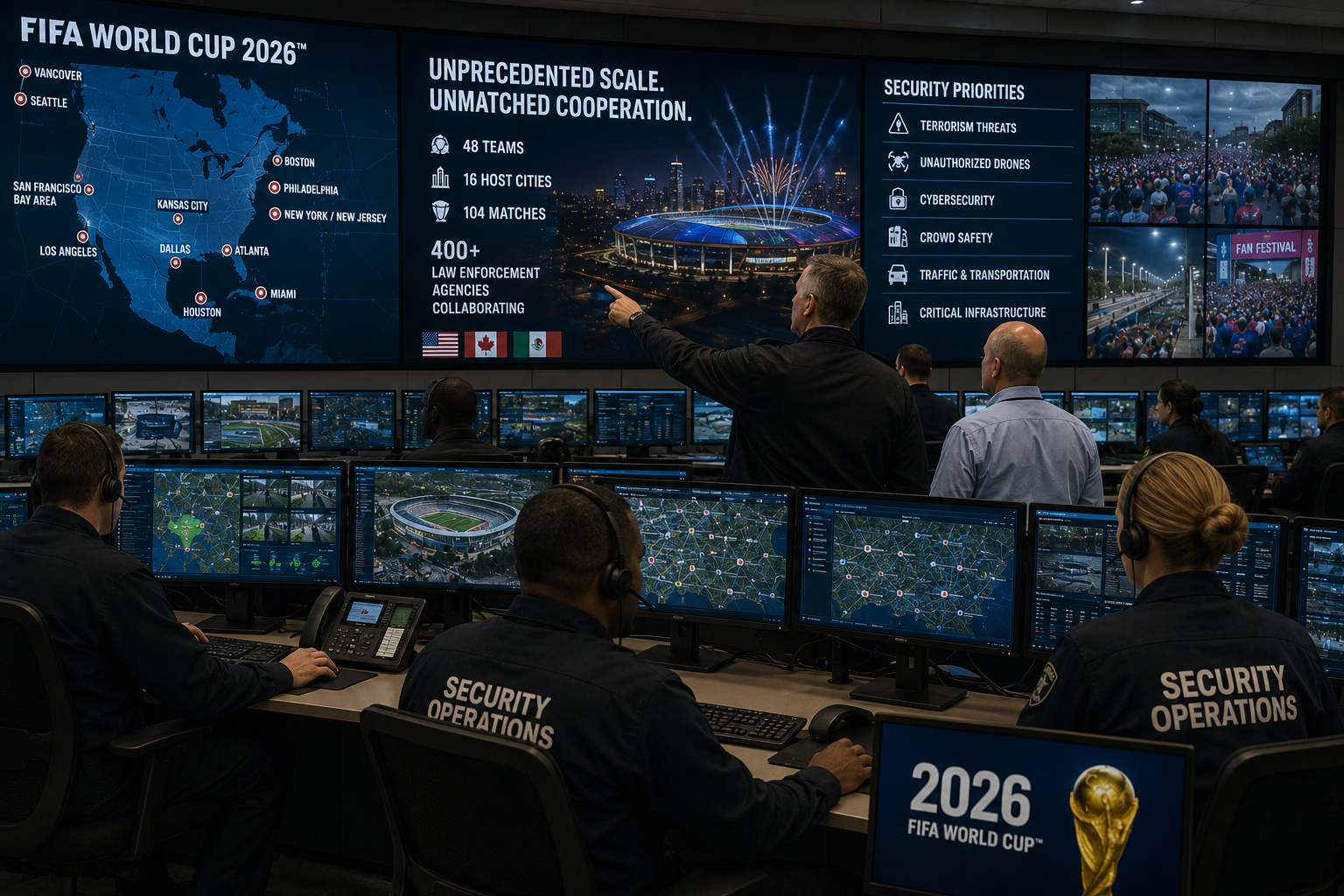
Large events often have a command center staffed with police, fire, and emergency representatives. 911 calls from the event can be redirected to this center, enabling faster response from teams familiar with the venue.
Incident response varies by situation. Minor issues might be handled by internal security, while serious incidents may require full law enforcement involvement. Coordination is crucial when multiple incidents occur simultaneously.
Prioritizing and Responding to Incidents
For Strawbridge, incidents are ranked using a tier system. A twisted ankle might be a Tier 3 issue handled by nearby staff. A severe medical emergency could be Tier 2, requiring immediate medical attention. Tier 1 covers extreme situations like active shooters or natural disasters.
Torres uses a risk matrix, based on U.S. Department of Defense guidance, to classify incidents by likelihood and impact. This helps teams allocate resources appropriately without overreacting.
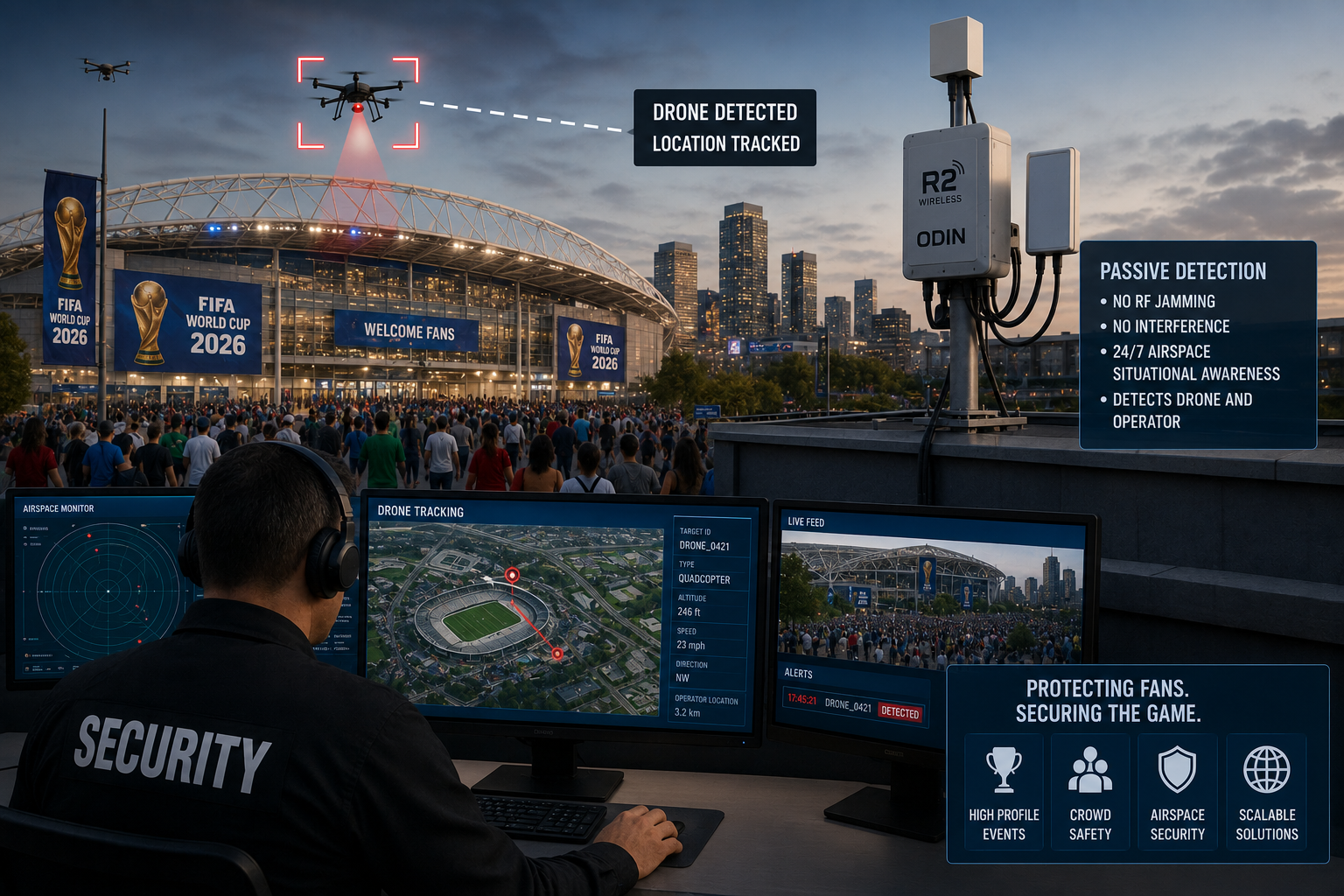
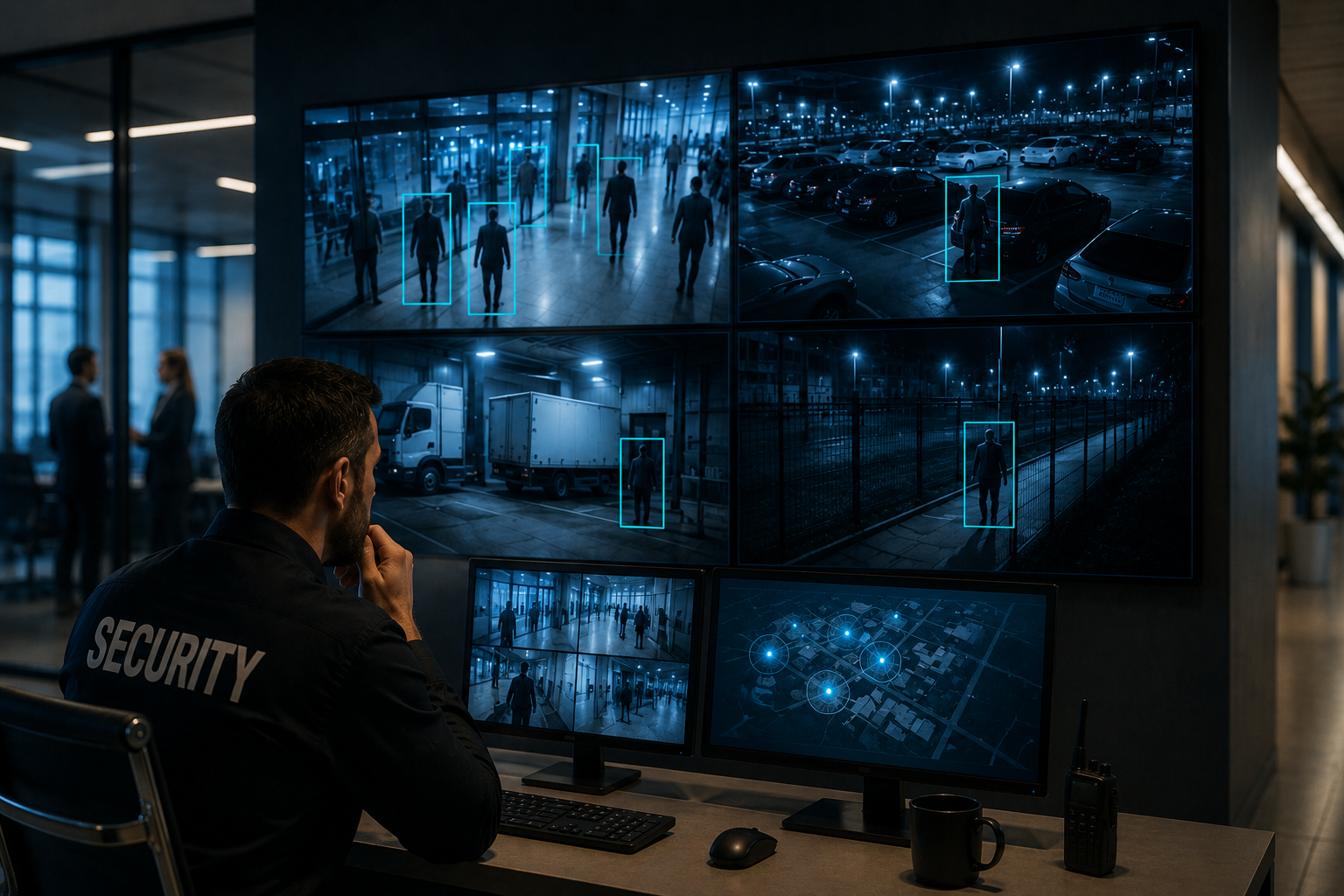
Technology such as audio and video surveillance, paired with analytics, supports informed decision-making. Effective incident management systems help track incidents, responses, and results.
“There’s a limited amount of assets, so you’ve got to use them wisely,” LaMadrid says.
Keeping the Guest Experience in Mind
While safety is a priority, security measures should not diminish the attendee experience. Early communication with both stakeholders and guests helps set expectations.
“To minimize disruptions, rules and expectations should be communicated in advance through event websites, email confirmations, and signage,” Torres says.
Attendees should be informed ahead of time about prohibited items and security procedures. Providing solutions, such as lockers for prohibited items, can ease frustration.
“The key is balancing vigilance with a seamless guest experience,” Torres adds.