
Article Originally Published Here
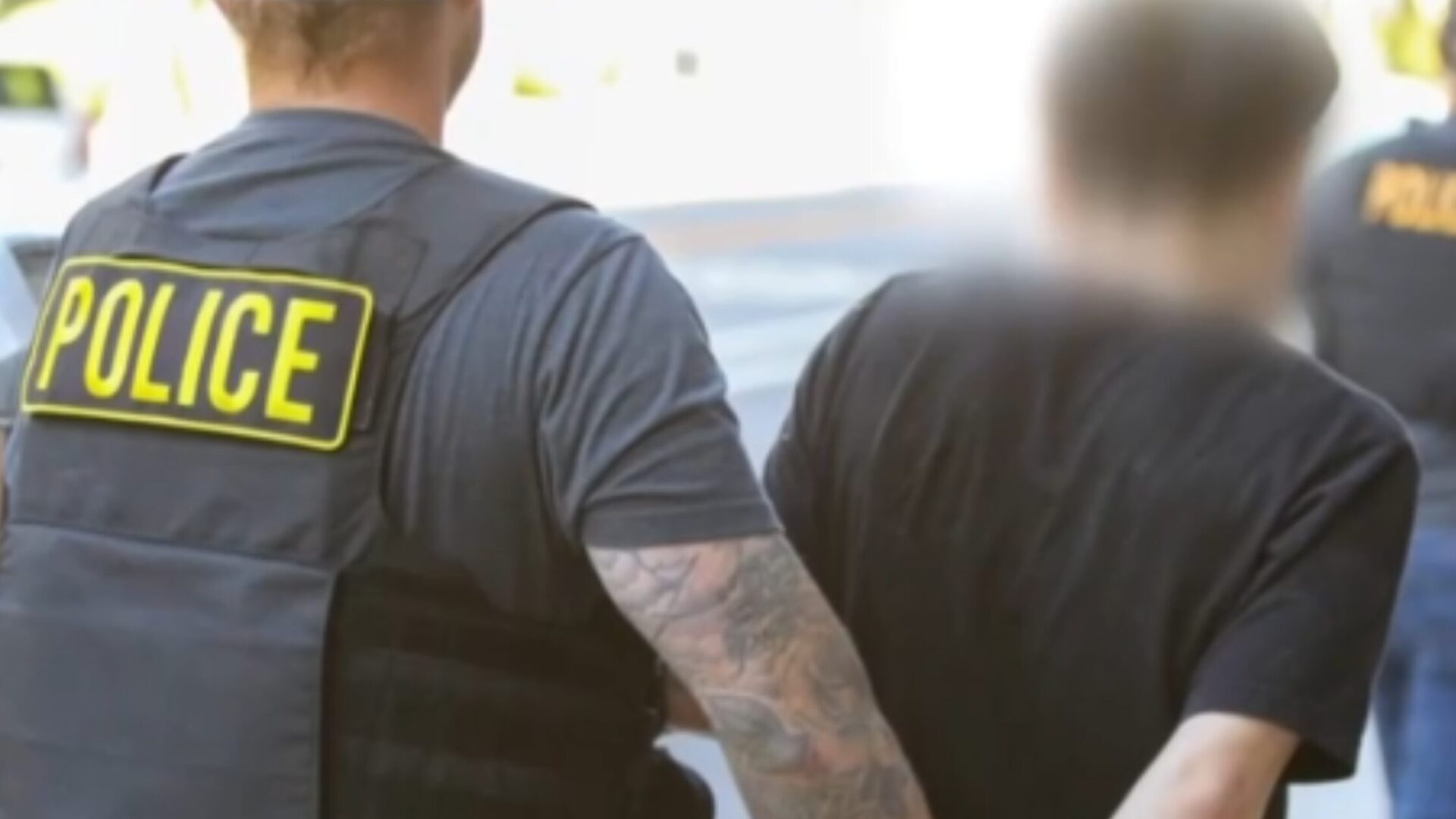
In a historic, coordinated effort to combat rising organized retail crime, authorities across 28 U.S. states executed a major enforcement operation last week, resulting in hundreds of arrests. The crackdown, described by law enforcement officials as the first of its kind, brought together more than 100 jurisdictions and over 30 major retailers, including Target, Walgreens, Macy’s, Ulta Beauty, Home Depot, and Kroger.
Led by the Cook County Regional Organized Crime Task Force in Illinois, the initiative targeted groups responsible for systematic retail theft, operations that have become increasingly bold, organized, and costly for retailers nationwide.
READ: Walgreens to Close Hundreds of Stores as Retail Challenges Mount
A Serious Message to Criminal Networks
“When you give specific focus to a crime, it reverberates,” said Cook County Sheriff Tom Dart in an interview with CNBC. “When they see it is being prosecuted and taken seriously, it deters conduct. They don’t want to get caught.”
That focus paid off. Authorities arrested individuals in dozens of cities and uncovered key intelligence about the methods and networks driving retail crime. The operation didn’t just result in arrests; it also helped strengthen the connections between law enforcement, prosecutors, and retailers who have long been frustrated by repeat offenses and a perceived lack of consequences.
Organized Retail Crime: A Growing Threat
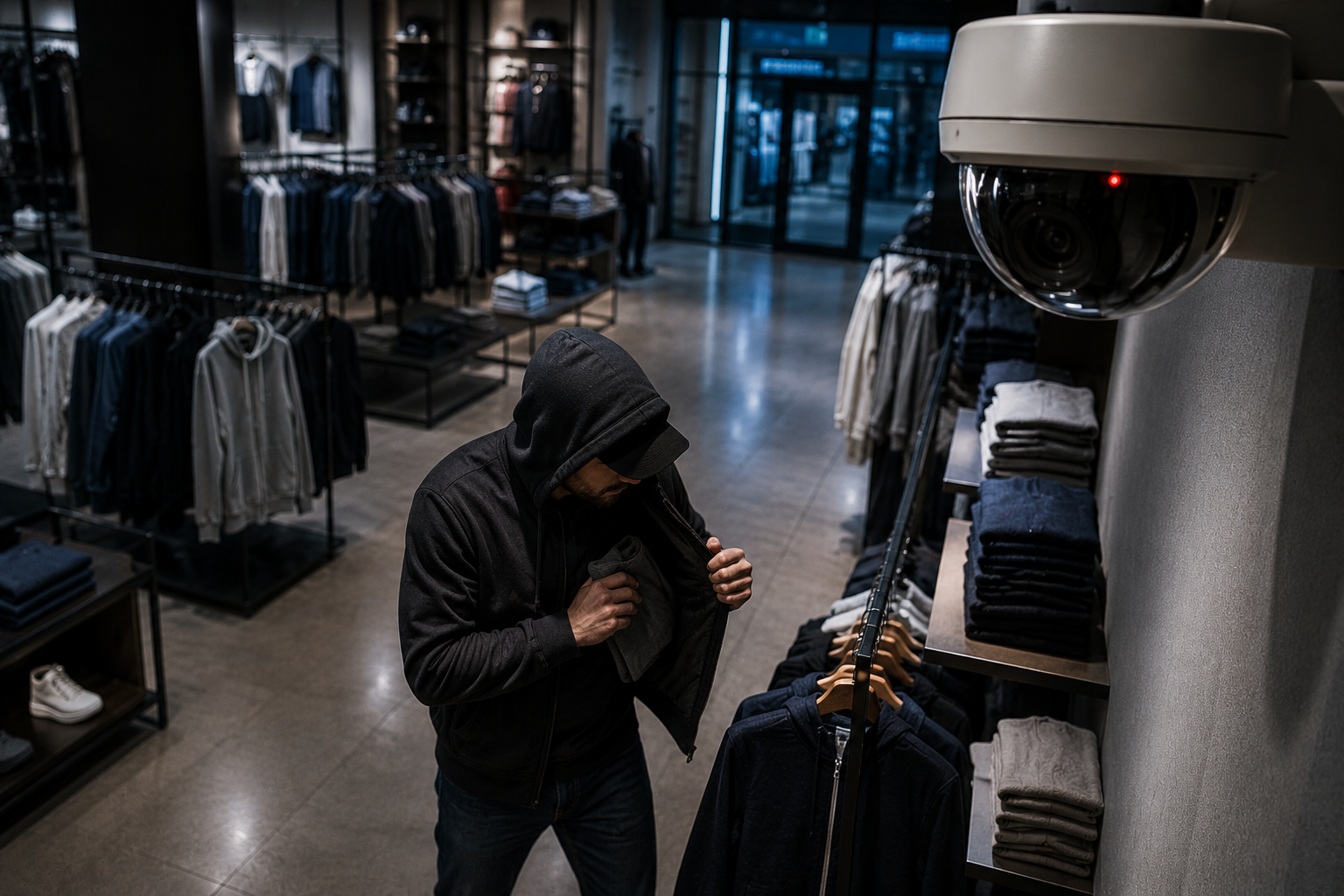
Organized retail crime (ORC) differs from traditional shoplifting. These crimes involve coordinated groups of individuals who target specific products, steal in volume, and then resell items through online marketplaces, third-party vendors, or black-market channels. It’s a lucrative criminal enterprise that has grown in scale and sophistication in recent years.
Retailers have been sounding the alarm. According to the National Retail Federation, reported shoplifting incidents surged 93% from 2019 to 2023, with associated losses increasing by 90% over the same period. These trends not only affect profits but also contribute to store closures, increased security costs, and higher prices for consumers.
Changing the Legal Landscape
One of the core criticisms surrounding the rise in retail theft has been inconsistent enforcement and outdated felony thresholds, which critics say have emboldened repeat offenders. That’s something Cook County State’s Attorney Eileen O’Neill Burke has prioritized since taking office in December 2024.
“On my first day, I made it clear: we would pursue felony retail theft charges when appropriate,” said O’Neill Burke. Under her leadership, felony charges are now filed for thefts exceeding $300 or if the suspect has a prior felony shoplifting conviction.
Previously, Cook County only charged retail theft as a felony if the stolen items were valued at over $1,000, or if the individual had 10 or more prior convictions. Since implementing the new approach, the Cook County State’s Attorney’s Office has filed charges in 1,450 felony retail theft cases.
The blitz also aimed to gather intelligence about criminal networks operating across jurisdictions. “We’re sharing what we learned,” O’Neill Burke explained. “That gives us more tools on how to take these networks down.”
Retailers Actively Join the Fight Against Organized Retail Crime
Retailers played an active role in the weeklong operation by supplying incident data, suspect profiles, and logistical support to enforcement teams on the ground.
Ulta Beauty, which participated across nine states, emphasized the value of public-private partnerships.
“Collaboration is key to making a meaningful impact,” said Dan Petrousek, Senior VP of Loss Prevention at Ulta. “We were proud to join law enforcement and prosecutorial partners in the National ORC Blitz.”
Walgreens, which contributed to operations across 20 cities and 40 store locations, also highlighted the growing threat.
“Organized retail crime remains one of the most significant challenges in our industry,” said Marty Maloney, Walgreens’ Director of Media Relations. “Our teams are working closely with law enforcement to help curb this trend.”
Home Depot reported a slight decline in overall thefts but said organized incidents remain up by double digits compared to last year. That distinction underscores how ORC is evolving from petty theft into a nationwide criminal concern.
The Power of Collaboration
Authorities involved in the operation say the real value lies in the networking and intelligence-sharing now underway. Law enforcement agencies are compiling arrest data, analyzing tactics used by criminals, and identifying broader patterns that could fuel future investigations.
This marks a pivotal shift in how local and national law enforcement view retail crime, not as isolated events but as part of large-scale, coordinated operations.
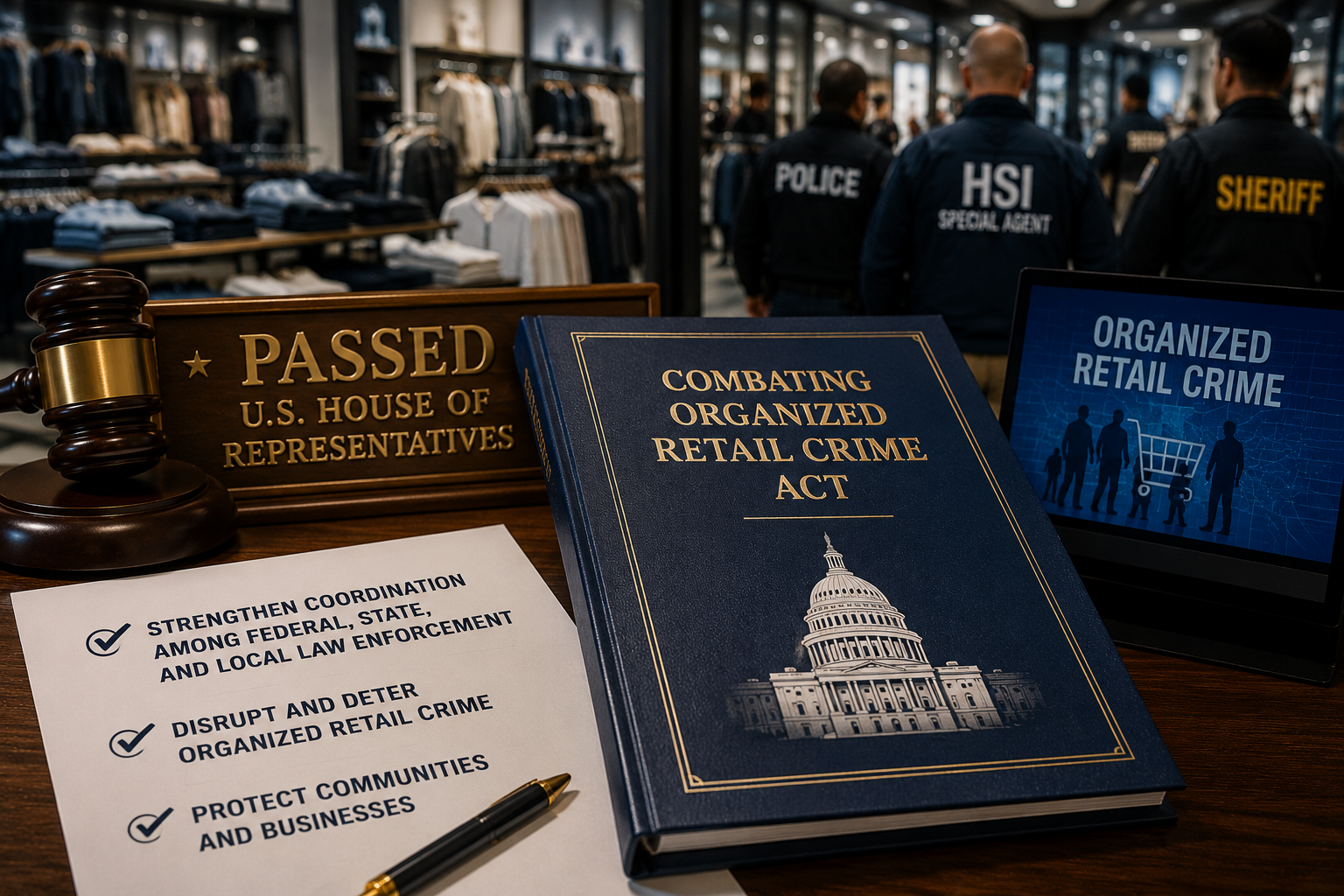
Retailers are also pushing for tighter legislation and better protections, including increased penalties for organized theft, better surveillance technology, and more robust reporting tools.
Looking Ahead
The success of this nationwide operation could become a blueprint for future enforcement actions. With rising pressure from both the public and the retail sector, authorities say the era of soft responses to retail crime may be coming to an end.
The hope is that this crackdown sends a clear message to criminal networks: organized theft will not go unchecked, and coordinated, nationwide responses are no longer off the table.







One Response