

Article Originally Published Here
Organized Retail Crime Is a National Crisis, Not a Local Issue
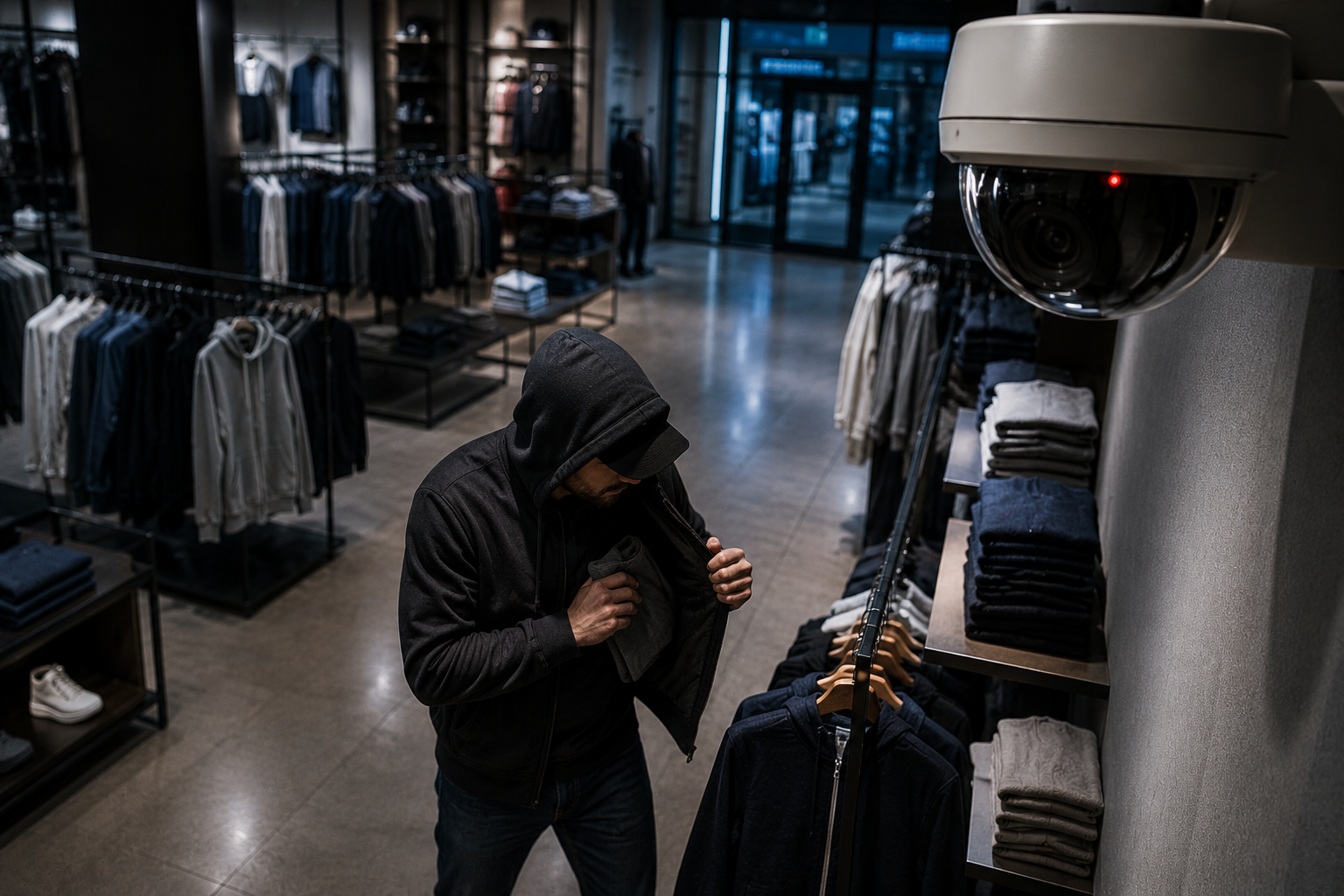
Organized retail crime (ORC) is no longer just a shoplifting issue or a security problem for store managers. It has escalated into a serious national threat with far-reaching implications. From violent thefts and disrupted supply chains to consumer fraud and international criminal networks, ORC is a growing menace impacting every level of the economy and society.
This is not about isolated acts of theft. ORC involves coordinated criminal enterprises, often crossing state and national borders, and frequently connected to broader illicit activity like drug trafficking, money laundering, and financial fraud.
READ: Katy Police Uncover $100M Retail Theft Ring
The Expanding Reach of ORC
Inside stores, ORC groups steal high-value goods ranging from electronics and pharmaceuticals to everyday essentials. Outside stores, they interfere with freight operations, attacking trucks and railcars to steal entire shipments. This leads to increased costs for businesses, delayed goods, and lost trust in the security of supply chains.
David Johnston, vice president of asset protection and retail operations at the National Retail Federation (NRF), recently addressed the House Transportation and Infrastructure Subcommittee to highlight how cargo theft has become a prime tactic in ORC operations.
“These sophisticated and often transnational groups exploit weaknesses in security, infrastructure, and law enforcement coordination,” Johnston said. “Their targets range from consumer goods and electronics to pharmaceuticals and essential supplies, fueling further criminal activity.”
A Threat to Communities and Consumers
The economic cost is only part of the damage. ORC also affects public safety and community stability. According to a February 2025 letter signed by 38 state attorneys general, ORC has reached “a level never before seen in this country.”
No community is immune. Large national chains and small Main Street retailers alike are suffering. The tactics have grown more aggressive, with rising violence against retail employees, forcing stores to:
- Increase spending on physical security
- Remove high-theft items from shelves
- Limit store access or product availability
Consumers are seeing the effects firsthand. Higher security means longer waits, fewer in-stock items, and more closed or limited-access retail sections. Behind the scenes, retailers face skyrocketing operational costs just to protect merchandise from theft.
Financial Fraud and Online Exploitation
Beyond physical theft, ORC groups are leveraging fraud schemes like:
- Gift card tampering
- Social engineering and phone scams
- Return fraud and online marketplace manipulation
Groups linked to Chinese organized crime have been identified by Homeland Security Investigations (HSI) in campaigns like Project Red Hook, which raises awareness about these tactics. Criminals exploit online platforms to fence stolen goods and launder proceeds, making the crime even harder to trace and dismantle.
Legislative Momentum: A National Response
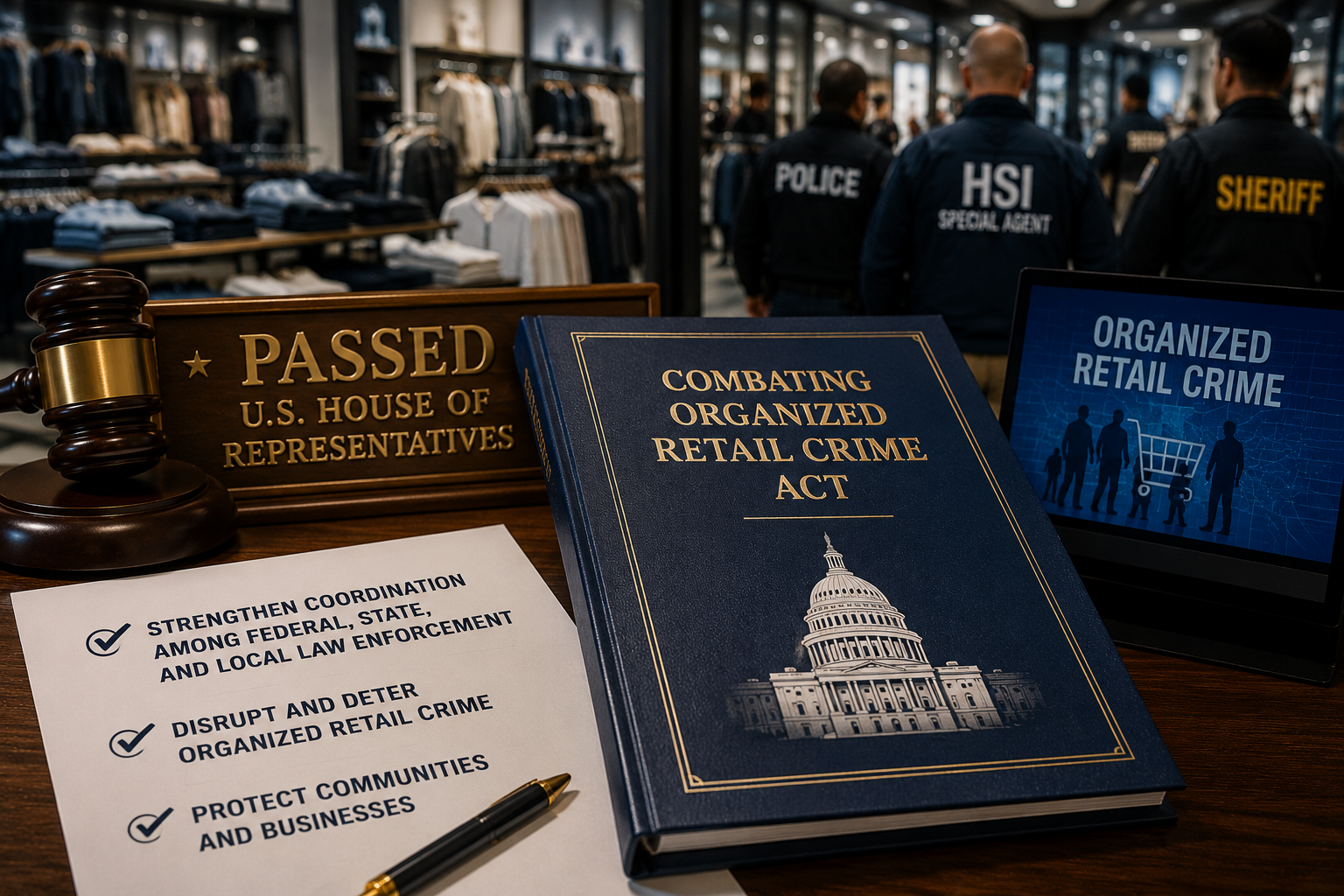
In response to the crisis, bipartisan lawmakers have reintroduced the Combating Organized Retail Crime Act of 2025 (S.1404/H.R.2853). The legislation seeks to establish a coordinated federal strategy and provide the legal tools needed to disrupt and prosecute ORC rings.
Key components of the bill include:
- Creation of a federal coordination center within HSI focused solely on organized retail and supply chain crime
- Enhanced data sharing and cross-jurisdictional collaboration between local, state, federal, and private-sector entities
- Strengthened criminal penalties for organized theft and related financial crimes
With growing bipartisan support—77 congressional members have already signed on in 2025—this bill could mark a pivotal turning point in the battle against ORC.
Why This Matters Now
Retailers, law enforcement agencies, and community leaders agree: this is no longer just a retail issue. Organized retail crime has become a threat to national safety, economic security, and the integrity of the American supply chain.
As the National Retail Federation (NRF) continues advocating for urgent federal action, they emphasize that combating ORC isn’t about protecting shelves—it’s about protecting communities, workers, and access to essential goods.
The message to Congress is clear: organized retail crime is not a victimless offense. It’s a matter of national urgency.






2 Responses