Article Originally Published Here
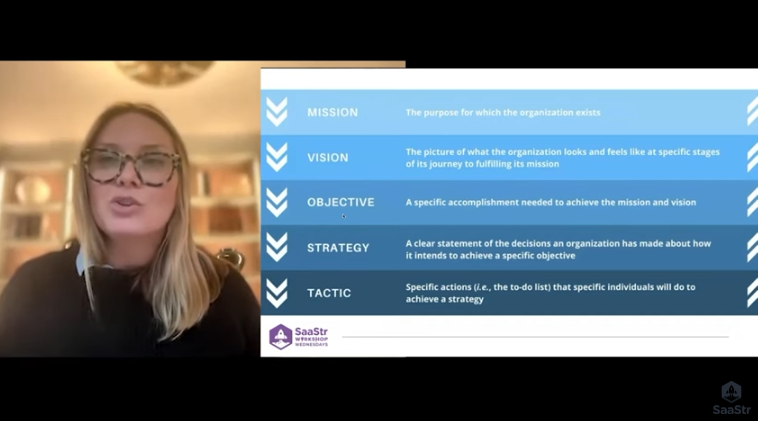
Michelle Benfer, former Head of Revenue at BILL and leader at HubSpot, emphasizes the pivotal role of frontline sales managers in driving SaaS success.
The Crucial Role of Frontline Managers For Effective Sales
Frontline managers bridge sales strategies and execution, playing a key role in:
- Talent Development: They recruit and nurture the next generation of top performers.
- Market Insight: By overseeing sales teams, they gain direct insights into customer sentiments and market trends.
- Sales Enablement: They coach representatives on product positioning and ideal customer profiles.
- Revenue Growth: Their leadership drives acquisition, expansion, and retention strategies.
- Cultural Influence: They significantly impact company culture and employee satisfaction.
Benfer notes, “The difference almost always came down to the frontline manager.”
READ: Sales Mastery: Insights from America’s Leading Sales Teams
Consequences of Neglecting Manager Development
Underinvesting in manager training can lead to:
- Increased Turnover: Higher attrition rates and prolonged onboarding periods.
- Inconsistent Execution: Variability in product positioning and market strategies.
- Missed Targets: Failure to achieve revenue goals and declining team performance.
- Cultural Decline: Deterioration in employee morale and organizational culture.
Benfer warns, “If you are not investing in the managers… there can be a real gap there and it will be a hit to not just your revenue, but also to your overall investment strategy into your revenue team.”
Framework for Building Exceptional Frontline Managers
Benfer recommends a structured approach:
Consistent Learning & Development Towards Effective Sales
- Product and Pitch Certification: Implement regular training to ensure managers can effectively communicate product value.
- Sales Methodology Training: Conduct annual sessions to keep teams updated on sales tactics.
- Structured Meetings: Utilize frameworks like RPA (Results, Pipeline, Activity) for effective one-on-one sessions.
Robust Measurement
- Performance Metrics: Track the percentage of representatives meeting targets.
- Retention and Ramp Time: Monitor employee retention and the time it takes for new hires to become productive.
- Coaching Participation: Assess manager involvement in call reviews and coaching sessions.
- Team Performance Benchmarks: Evaluate metrics across average contract value, product mix, and sales cycles.
- Forecast Accuracy: Measure the precision of sales forecasts.
Culture & Team Identity
- Define Team Principles: Collaboratively establish team culture and operating principles.
- Celebrate Values: Recognize and reward behaviors that exemplify company values.
- Engaging Meetings: Create team meetings that energize and align members.
- Foster Psychological Safety: Encourage open communication and a safe environment for sharing ideas.
Balancing Internal and External Hiring
Benfer advises a balanced approach:
- Internal Promotions: Offer faster integration and cultural alignment.
- External Hires: Bring fresh perspectives and new skills.
She notes, “The sweet spot is 7 reps to 1 manager… Eight is more realistic, and nine starts to stretch things.”
Recommendations for Executives for Boosting Effective Sales
- Prioritize Manager Development: Allocate consistent budgets for training.
- Define Success Criteria: Establish clear metrics beyond sales figures.
- Implement Feedback Loops: Regularly assess and provide feedback on performance.
- Quantify Development Costs: Understand the financial impact of inadequate training.
- Balance Hiring Strategies: Combine internal promotions with strategic external recruitment.
Investing in effective sales managers is essential for sustainable growth and maintaining a competitive edge in the SaaS industry.