Article Originally Published Here
From Transparency to Tactical Awareness: The Next Generation of Campus Safety Tech
Once viewed primarily as tools for post-incident review and accountability, body-worn cameras (BWCs) have rapidly evolved into powerful platforms for real-time situational awareness in educational settings. Today, school safety leaders across both K-12 and college campuses are embracing these technologies to support live response, enhance coordination, and empower faster, smarter decision-making.
Far from being simple recording devices, modern BWCs now offer live video streaming, GPS tracking, and mobile platform integration—turning every security officer into a fully connected node in a broader safety ecosystem.
READ: Axon Develops Covert Weapons to Protect CEOs Amid Rising Executive Security Concerns
The Shift: From Passive Recording to Live Operational Intelligence
Traditionally, body-worn cameras served as retrospective tools, valuable for reconstructing incidents, supporting investigations, and promoting accountability. But in fast-moving environments like campuses, where seconds matter and coordination can be difficult, the need for real-time visibility has become paramount.
Today’s BWC systems are designed to stream live video directly to dispatch centers and command staff, offering an officer’s-eye view of dynamic situations as they unfold. Whether it’s a fight breaking out in a high school hallway, a mental health crisis in a college dormitory, or a suspicious individual approaching school grounds, these systems give administrators the information they need to respond quickly and appropriately.
Coupled with GPS capabilities, this means dispatchers can see not only what is happening, but where, which enhances decision-making, accelerates response times, and improves officer safety.
Enhancing Coordination During High-Stakes Events
Live-stream-enabled body-worn cameras are particularly valuable during emergencies involving multiple agencies or departments, such as lockdowns, large events, or active shooter situations. These tools allow video feeds to be shared securely with school administrators, law enforcement partners, and emergency management teams, ensuring that everyone has access to the same real-time information.
This shared situational awareness is crucial for:
- Reducing communication breakdowns
- Aligning tactical decisions between agencies
- Coordinating movement during evacuations or lockdowns
- Monitoring officer safety during chaotic or hostile incidents
The ability to access the same live footage ensures that on-site responders and off-site decision-makers are always in sync, improving overall outcomes and enabling faster resolution of critical incidents.
A Tool for Training and Continuous Improvement
Beyond live incident response, many forward-thinking institutions are leveraging BWC footage as a training and after-action review tool. Recorded video from real scenarios provides safety teams with the opportunity to:
- Evaluate response tactics
- Identify communication lapses
- Reinforce what worked well
- Adjust protocols where necessary
This data-driven approach to training ensures that lessons from past incidents contribute directly to better outcomes in future responses.
Navigating Privacy and Policy Concerns
As capabilities expand, so do concerns—especially in education environments where student privacy is a top priority. Body-worn cameras deployed in sensitive areas like counseling offices, nurse stations, or special education rooms must be managed with care.
To implement body-worn camera programs responsibly, institutions must establish:
- Clear activation policies: Should cameras be activated manually or automatically based on certain triggers?
- Data access rules: Who can view live feeds or recordings? Under what circumstances?
- Retention timelines: How long will footage be stored, and when will it be deleted?
- Transparency with stakeholders: How are students, parents, and staff informed about the program’s scope and intent?
Thoughtful deployment requires collaboration between campus safety leaders, IT departments, legal teams, and community stakeholders. Training for all users—especially decision-makers and supervisors—is essential to ensure footage is interpreted correctly and used ethically.
Looking Ahead: Body-Worn Cameras as Safety Force Multipliers
As school safety challenges continue to grow—from increased behavioral health incidents to swatting threats and weapon detection—resources are often stretched thin. Body-worn cameras integrated into mobile command platforms are emerging as true force multipliers, extending visibility and capability without necessarily requiring additional staff.
These technologies support:
- Faster response coordination
- More informed decision-making
- Post-incident analysis that improves policy and training
- Real-time oversight and safety confirmation for remote teams
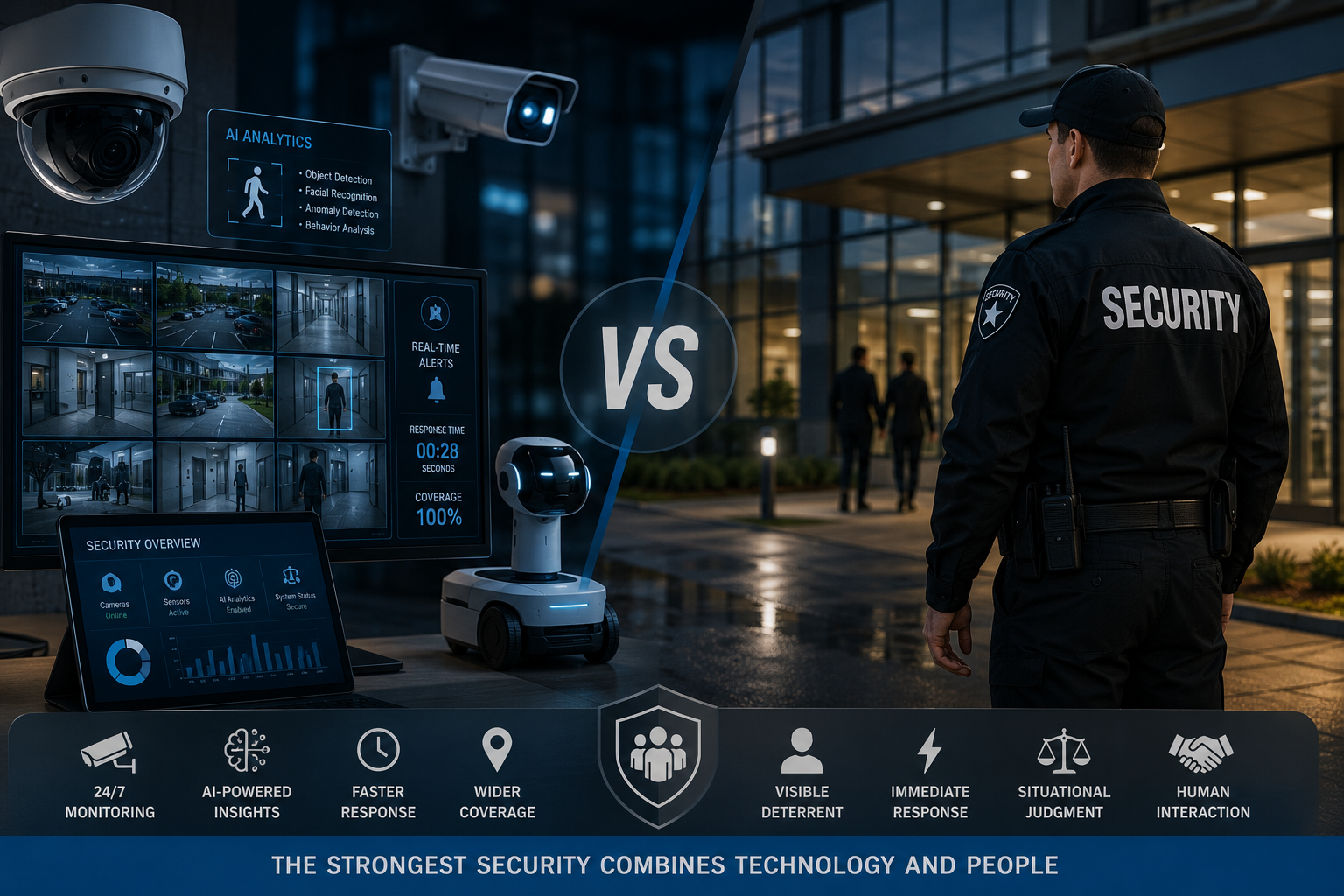
Importantly, BWCs don’t replace human judgment, they amplify it by providing accurate, contextual information when it matters most.
Conclusion: Planning for Smart Deployment
For schools and universities looking to modernize their security infrastructure, the question is no longer if body-worn cameras belong, but how to deploy them in a way that respects campus values, supports student and staff well-being, and aligns with operational goals.
With the right technology, policy, and training in place, body-worn cameras can be a cornerstone of agile, transparent, and effective school safety programs, helping educators and security teams alike meet the moment with clarity and confidence.