
Article Originally Published Here
For many small business owners, the world of digital marketing can feel like a maze of complex tools, changing algorithms, and costly platforms. Without a full-time marketing expert or agency, it’s easy to feel overwhelmed and unsure where to begin. But with the right strategies in place, small businesses can successfully cut through the noise, reach their ideal audience, and generate a strong return on investment.
In fact, digital marketing offers small businesses a major advantage: the ability to connect directly with customers, compete with larger brands, and grow sustainably, all without needing a massive budget.
Here’s how to make it work.
Traditional Marketing vs. Digital Marketing
Before the rise of digital platforms, small businesses relied on local newspaper ads, direct mail, and word-of-mouth. These traditional strategies were easy to understand but limited in reach and targeting capabilities.
Digital marketing, while more complex at first glance, allows small businesses to go far beyond their immediate area. It gives them access to tools that target the right audience, track performance in real time, and optimize based on actual customer behavior.
While the shift may feel overwhelming, it ultimately opens the door to growth that would have been much harder with traditional methods alone.
READ: How Liquid Death Became a $1.4 Billion Brand With One Key Marketing Principle
Common Digital Marketing Challenges
Despite its benefits, digital marketing poses some hurdles:
- Lack of in-house expertise
- High costs of software, tools, and agencies
- Difficulty choosing the right platform or approach
- Constant algorithm and platform changes
- Uncertainty about what’s actually working
Many small businesses try a little bit of everything, then get discouraged when the results don’t match their efforts. But with a focused approach, it’s possible to overcome these obstacles and see real, measurable growth.
6 Digital Strategies to Grow Smarter, Not Harder
If your business is just starting or looking to refresh its digital presence, these six strategies can help you succeed without getting overwhelmed.
1. Use Market Research to Drive Every Decision
Effective marketing begins with a clear understanding of your audience. Digital tools make it easier than ever to analyze customer data, identify pain points, and understand where potential customers are spending time online.
Use tools like Google Analytics, keyword research platforms, or social media insights to learn what your audience is searching for, how they behave online, and what types of content they respond to. The more specific your targeting, the less time and money you’ll waste on the wrong audience.
2. Identify and Promote Your Unique Selling Proposition (USP)
Instead of trying to compete on price or size with large companies, small businesses should focus on what sets them apart.
Your USP might be personalized service, local knowledge, product quality, or a specific niche. Once you define what makes you different, your messaging becomes much more effective. Highlight that difference in everything you create: your website, social media posts, emails, and ads.
When you stop trying to be everything to everyone, you start attracting the right customers much faster.
3. Master Local SEO
Search engine optimization can seem out of reach for small businesses, especially when competing with national brands. But local SEO is different, and it’s where small businesses can truly shine.
By optimizing your website and online listings for location-based keywords, you increase the chance of showing up in local searches, especially in Google’s Map Pack. These are often high-intent searches from people ready to make a purchase or book a service.
Make sure to:
- Set up and optimize your Google Business Profile
- Include your city or neighborhood in website content and metadata
- Encourage customer reviews and respond to them
- List your business in local directories
These steps can position your business as the go-to option in your area.
4. Use Social Media and Influencer Partnerships to Connect
Social media gives small businesses a direct line to customers. Once you’ve clarified your message and built a bit of authority, it’s time to amplify that presence.
Choose the platforms that match your audience’s habits. For example:
- Instagram for visually appealing products
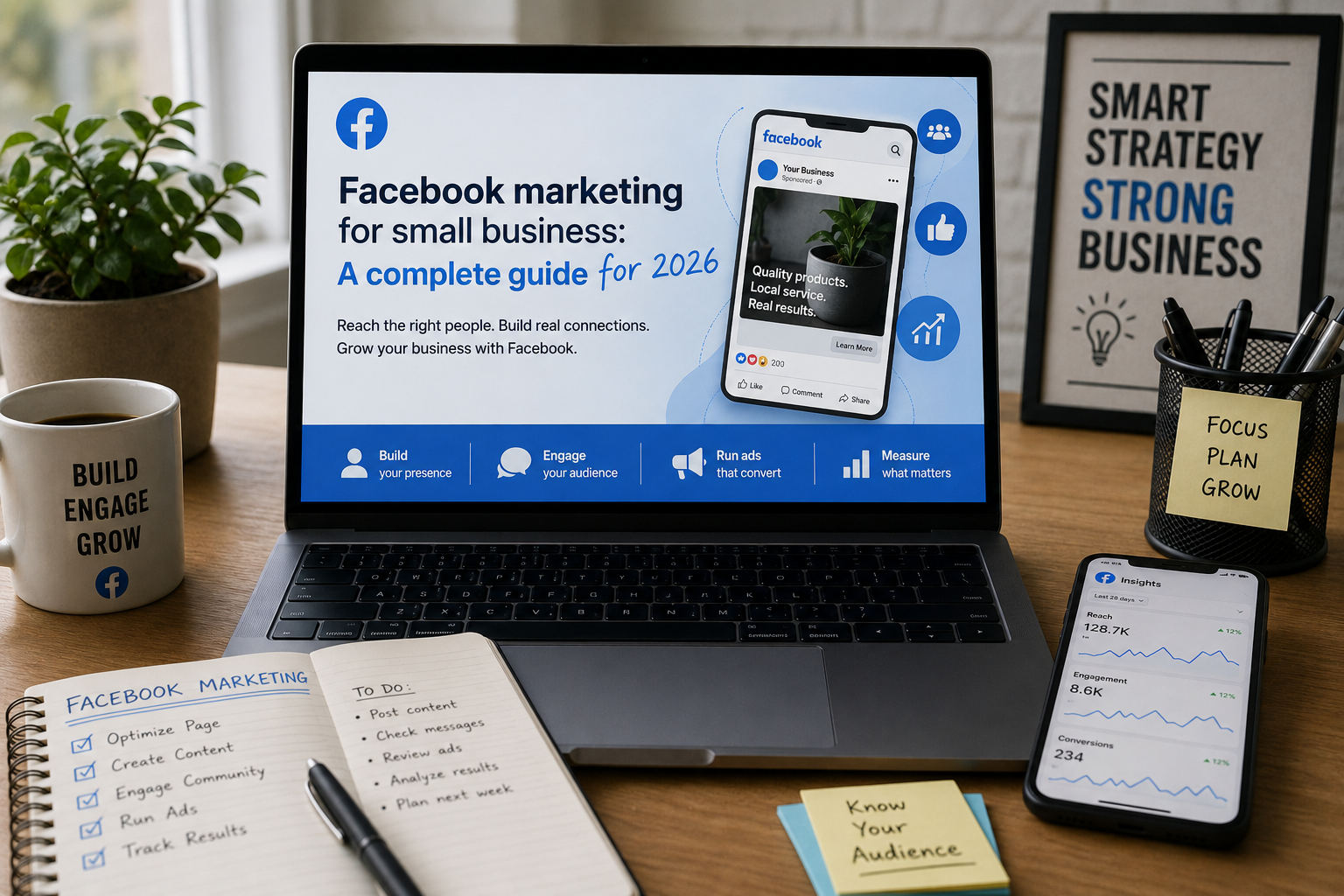
- Facebook for community engagement
- LinkedIn for professional services
- TikTok for trend-driven or younger audiences
You can also partner with influencers or niche content creators who already have the trust of your target market. Even micro-influencers with a few thousand followers can make a significant impact when their audience aligns with your customer base.
Make sure your content speaks directly to your audience’s interests, concerns, and aspirations.
5. Build an Email and SMS List for Direct Engagement
Email and SMS marketing are powerful ways to connect with people who have already shown interest in your business. They’re also cost-effective and easy to automate.
Encourage people to sign up through your website by offering:
- Discounts or promo codes
- Free guides or checklists
- Quizzes to match them with a service or product
Once you’ve built your list, send relevant content, not just promotions. Share helpful tips, product updates, customer stories, or event invites. Done right, this builds trust and keeps your brand top of mind.
Avoid spamming or sending generic messages. The more personalized your communication, the better your engagement will be.
6. Track Performance and Adjust Regularly
Digital marketing is not a one-and-done task. Strategies that worked last year may not work today, and platforms are always evolving.
Set aside time regularly to monitor performance:
- Are your emails being opened?
- Is your SEO bringing organic traffic?
- Which posts are getting the most engagement?
- What’s your conversion rate from each platform?
Use these insights to refine your approach. If one channel or message isn’t working, shift resources to what is. The businesses that grow are the ones that stay flexible and data-driven.
Final Thoughts
Digital marketing doesn’t have to be expensive, complicated, or overwhelming. Small businesses that focus on research, clear messaging, local SEO, targeted outreach, and continuous improvement can stand out, even in crowded markets.
Rather than trying every tool or strategy at once, start small. Choose one or two channels, test different messages, and track what gets results. With consistency and clarity, digital marketing can become one of your business’s strongest assets.







One Response