Article Originally Published Here
In the evolving landscape of B2B, understanding and responding to buyer intent has become crucial. Intent-based marketing enables businesses to identify potential customers actively seeking their products or services, allowing for more targeted and effective attraction efforts.
Understanding Intent-Based Marketing
This strategy involves analyzing data signals that indicate a prospect’s interest or intent to purchase. These signals can include online behaviors such as website visits, content downloads, and search queries. By monitoring these activities, marketers can gauge where a prospect is in the buying journey and tailor their outreach accordingly.
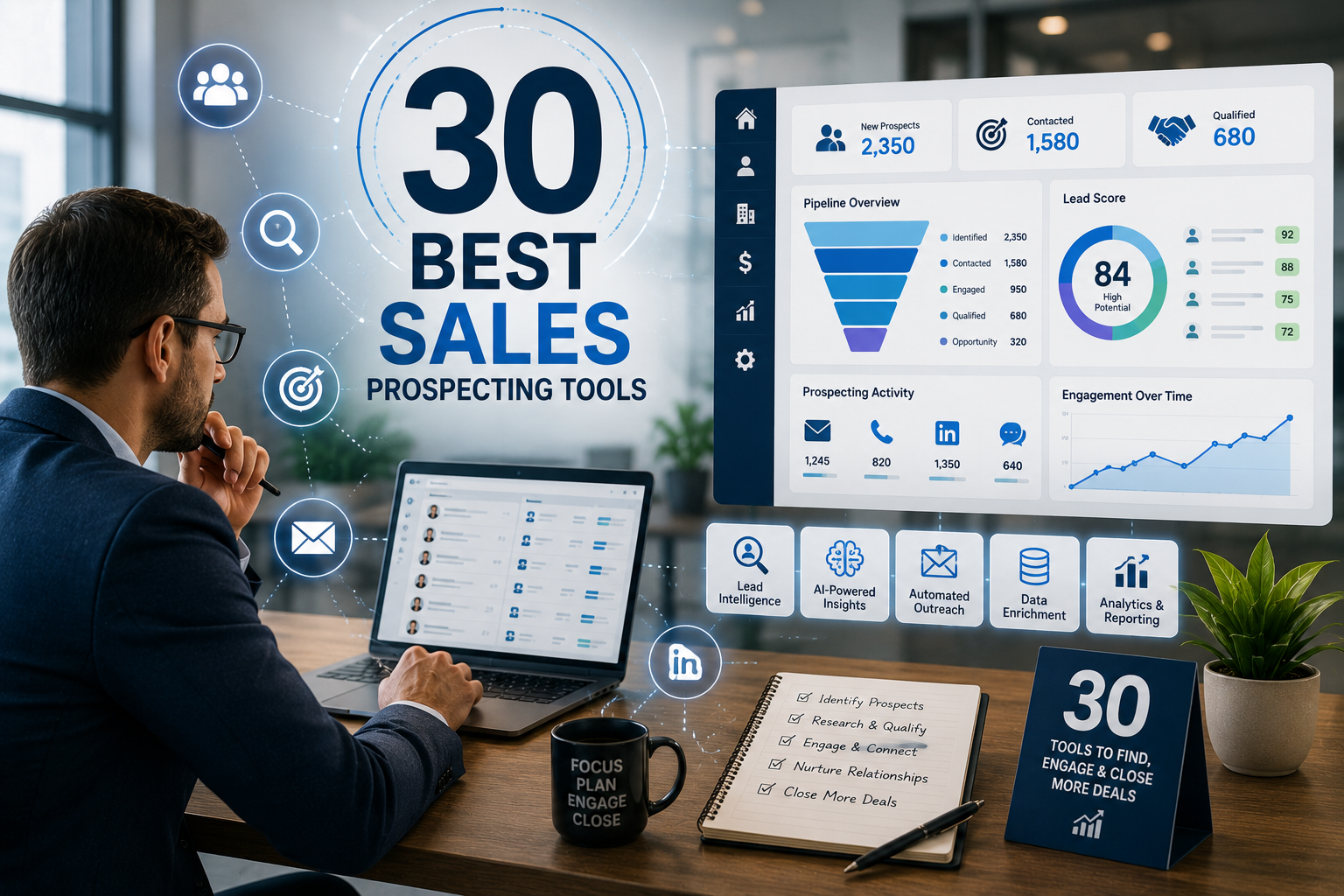
READ: Sales Mastery: Insights from America’s Leading Sales Teams
Benefits of this Marketing Approach
Implementing this approach offers several advantages:
- Enhanced Targeting: By focusing on prospects exhibiting intent signals, marketers can concentrate their efforts on individuals more likely to convert, improving the efficiency of marketing campaigns.
- Improved Personalization: Understanding a prospect’s specific interests allows for the creation of personalized content and messaging, increasing engagement and building stronger relationships.
- Optimized Resource Allocation: Intent data helps prioritize leads, ensuring that sales and marketing resources are directed toward the most promising opportunities, thereby maximizing return on investment.
Implementing Intent-Based Marketing Strategies
To effectively leverage this marketing approach:
- Collect Relevant Data: Gather both first-party data (from your own digital properties) and third-party data (from external sources) to gain a comprehensive view of prospect behavior.
- Analyze and Interpret Signals: Use analytics tools to identify patterns and discern meaningful intent signals from the collected data.
- Align Marketing Efforts: Develop targeted content and campaigns that address the identified needs and interests of prospects, guiding them through the sales funnel.
- Monitor and Adjust: Continuously track the effectiveness of your intent-based strategies and make data-driven adjustments to optimize performance.
By embracing intent-based marketing, B2B companies can more effectively connect with potential customers, delivering relevant messages at the right time and ultimately driving greater success.