Article Originally Published Here
Employee disengagement is creeping into U.S. workplaces, becoming a growing concern for businesses. A recent Gallup poll revealed that engagement levels have dropped to their lowest point in over a decade, posing a significant challenge for companies trying to maintain a motivated and productive workforce.
From 2023 to 2024, employee engagement among U.S. workers fell by 3 percentage points, landing at just 30%. While this may not seem like a drastic drop, it accounts for nearly 5 million employees who are no longer highly engaged at work. For businesses, this disengagement can be a real scare, as it directly impacts morale, productivity, and retention.
The decline in engagement has been most significant among Generation Z workers and those working remotely or in hybrid environments where remote work is possible.
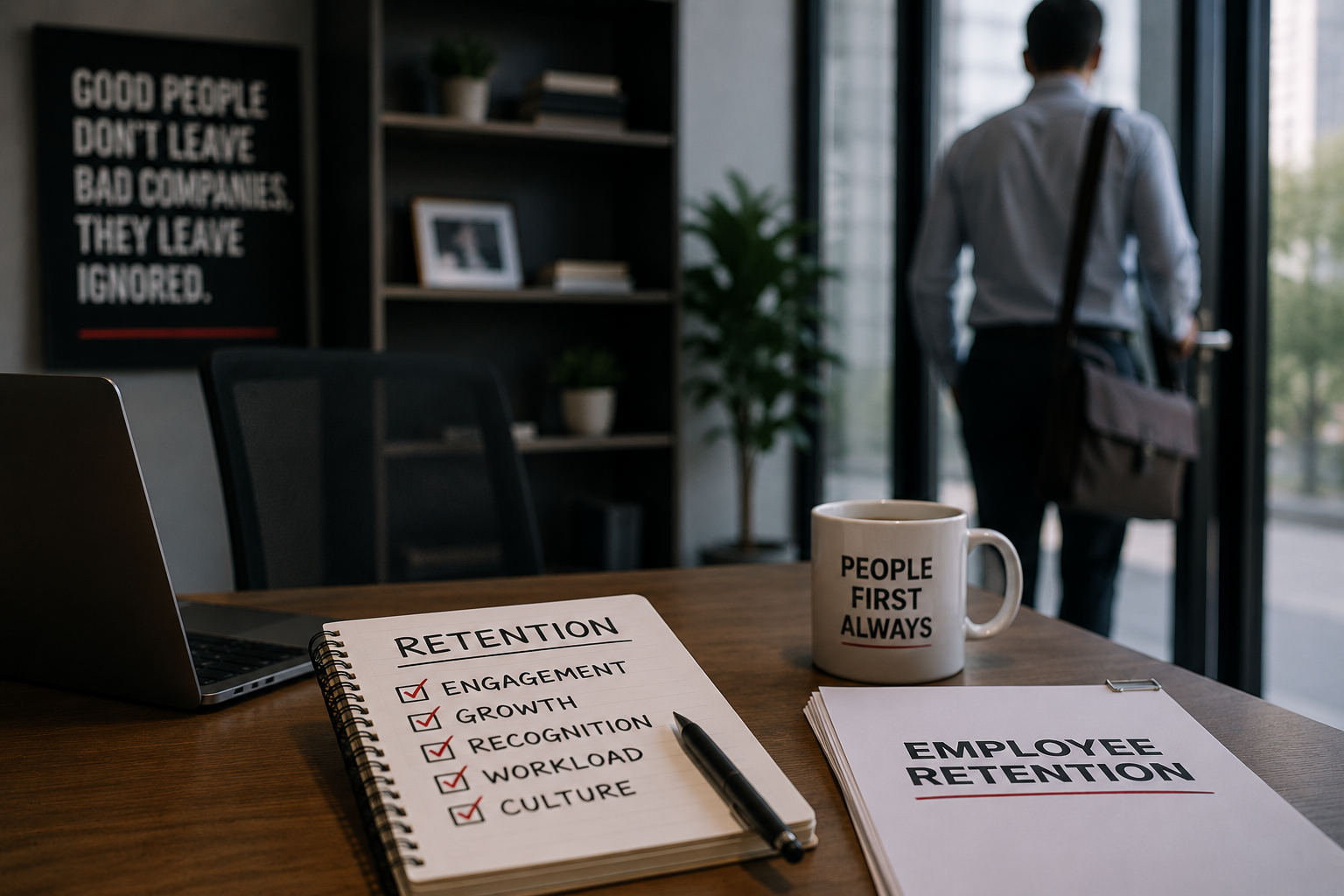
READ: How Your Company Culture Impacts Employee Retention
Understanding the Decline in Employee Engagement
Carly Holm, founder and CEO of Humani HR, a management and HR consulting firm, notes that employee engagement is a hot topic among her clients. “The world of work has changed so dramatically in the last few years,” she explains. “People are spending more time on screens than actually interacting with each other. I believe this reduced human interaction has contributed to the decline in employee engagement.”
But the issue goes beyond decreased interaction. According to Meghan Stettler, director of the O.C. Tanner Institute, disengagement signals a deeper desire among employees for meaningful, people-centric work cultures. “What may appear as a lack of motivation could be employees seeking fulfillment and purpose at work,” she says.
Stettler points out that employee fulfillment is driven by meeting key psychological needs, such as:
- Community, connection, and belonging
- A sense of purpose in their work
- Opportunities for personal growth and mastery
- Flexibility and autonomy over how they work
Employees who feel they lack flexibility or are stuck in purely transactional relationships with their organizations are the ones most likely to disengage.
How to Turn Around Employee Engagement
While disengagement may be haunting workplaces, there’s good news: it’s reversible. Research from Gallup shows that organizations can improve engagement through thoughtful strategies. Jim Harter, Gallup’s chief scientist for workplace and wellbeing, highlights that companies with high engagement levels have successfully implemented hybrid working environments, provided clear expectations, and offered strong support to their managers.
Other key actions include:
- Effective onboarding: Ensuring new employees feel connected and supported from day one.
- Focusing on well-being: Taking a holistic approach to employee wellness, addressing both physical and mental health.
Carly Holm recommends that managers regularly check in with their remote employees, asking about their work, sense of fulfillment, and connection. “Employees want more than just a paycheck,” she says. “They want to feel like they’re making an impact.” She emphasizes the importance of showing how an organization gives back to the community and aligns with a mission.
Strategies to Improve Engagement
Stettler also offers advice for managers looking to boost engagement. She suggests redesigning one-on-one meetings to focus on how an employee’s work contributes to the organization’s goals and how their unique skills can be better utilized. Mapping out growth opportunities and recognizing employees’ achievements are crucial elements in this process.
“Use recognition to show how employees are uniquely contributing to business outcomes,” Stettler says. “When you celebrate someone’s individuality and contributions, it strengthens their sense of belonging.”
In summary, while the drop in employee engagement is concerning, organizations have the tools to reverse the trend. By fostering meaningful connections, offering flexibility, and recognizing employees for their unique contributions, businesses can create a more engaging and fulfilling work environment for their teams.