Article Originally Published Here
Developing a robust sales and marketing plan is crucial for small businesses aiming for sustained success. George Deeb, managing partner at Red Rocket Ventures and a Forbes contributor, offers valuable insights into creating strategies that drive growth.
Distinguishing Between Sales and Marketing
Before formulating a plan, it’s essential to understand the distinction between sales and marketing. Sales involve direct, human-driven interactions focused on building relationships and converting leads into customers. Marketing, conversely, is a media-driven effort aimed at generating brand awareness and attracting potential customers through various promotional activities. While each plays a unique role, their effectiveness is maximized when integrated—marketing draws in consumers, and sales convert them into buyers.
READ: Enhancing Your Sales Team’s Skills and Effectiveness
Determining the Appropriate Approach: Sales vs. Marketing
Deeb highlights that sales strategies are typically employed in business-to-business (B2B) contexts, where building relationships is vital for selling high-value products or services. Examples include dealership management systems (DMS) and enterprise-focused solutions. Marketing strategies, on the other hand, are more common in business-to-consumer (B2C) industries, where broad advertising campaigns reach large audiences. Social media ads promoting e-commerce products or mobile apps are prime examples of effective B2C marketing.
Establishing a Solid Business Plan
Before developing sales and marketing strategies, small business owners must establish a clear business plan. This plan should outline high-level objectives, such as achieving specific revenue targets, increasing market share, or expanding into new customer segments. Once these goals are defined, business owners can determine whether sales, marketing, or a combination of both will be the most effective approach.
Developing an Effective Sales Strategy
A strong sales strategy relies on three key factors:
- Hiring the Right Salesperson: Experience and industry connections are invaluable. Sales professionals with existing relationships in the field can shorten the sales cycle and drive faster results.
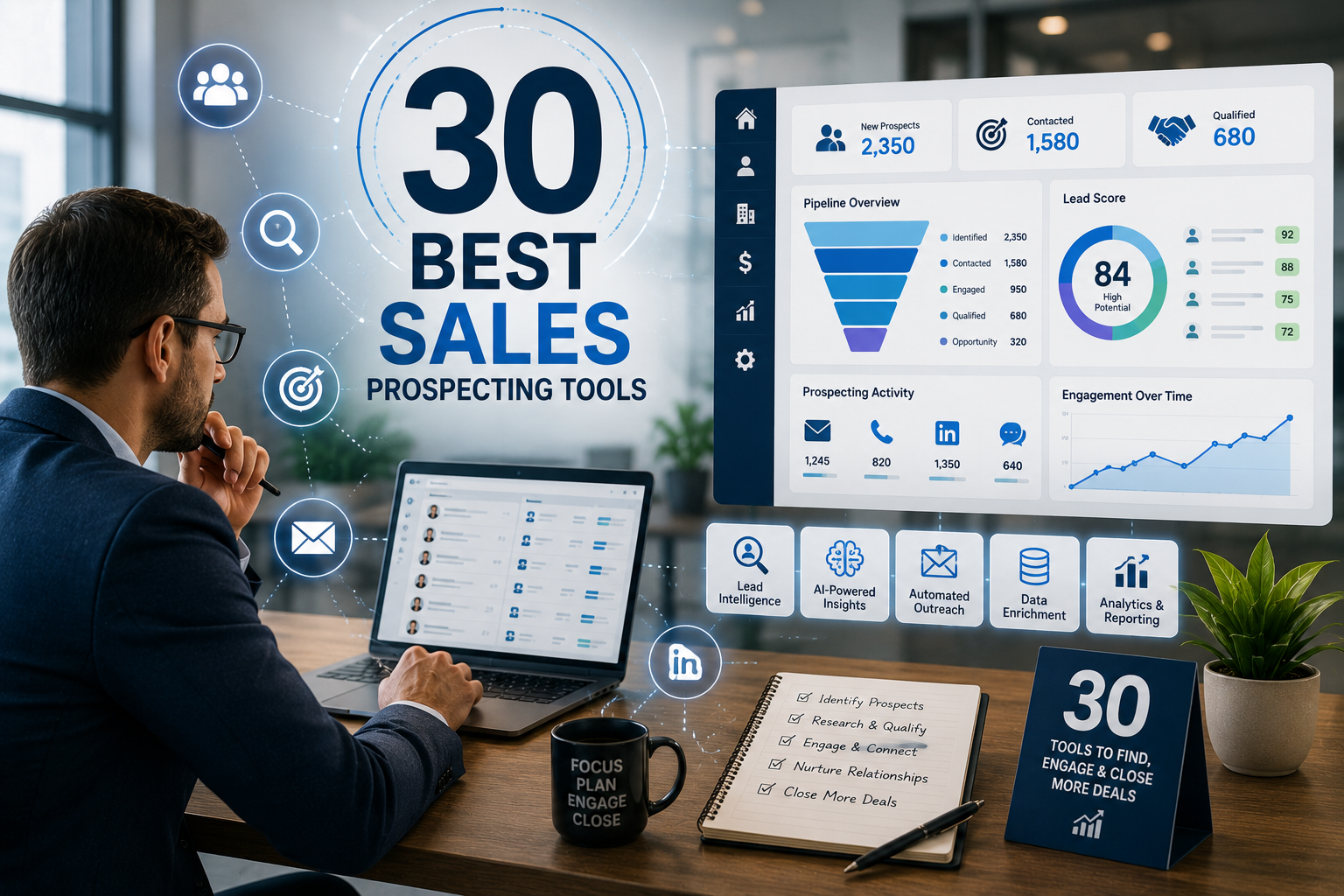
- Equipping with the Right Tools: A salesperson’s success depends on resources like high-quality lead lists, a robust CRM system, and automation tools for streamlined follow-ups.
- Implementing a Clear Process: Establishing a structured sales process ensures consistency and efficiency, guiding sales representatives from lead generation to closing deals.
Crafting a Comprehensive Marketing Plan
An effective marketing plan should encompass the following elements:
- Market Research: Understand your target audience, their preferences, and behaviors. This insight informs tailored marketing messages that resonate with potential customers.
- Brand Positioning: Define what sets your product or service apart from competitors. A clear value proposition attracts customers and builds brand loyalty.
- Channel Selection: Choose the most effective marketing channels to reach your audience, whether through social media, email campaigns, content marketing, or traditional advertising.
- Budget Allocation: Determine how much to invest in each marketing activity, ensuring resources are allocated to strategies with the highest potential return on investment.
- Performance Metrics: Establish key performance indicators (KPIs) to measure the effectiveness of your marketing efforts, allowing for data-driven adjustments.
Integrating Sales and Marketing Efforts
Aligning sales and marketing teams fosters a cohesive approach to customer acquisition and retention. Regular communication between these teams ensures consistent messaging and a unified strategy. Marketing initiatives generate leads, which the sales team can then nurture and convert, creating a seamless customer journey.
By implementing these strategies, small businesses can develop effective sales and marketing plans that drive growth and ensure long-term success.