Video Originally Published Here
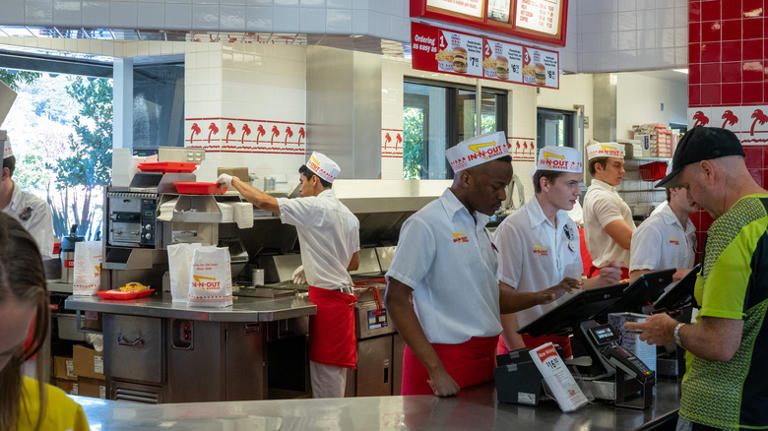
In a historic victory for fast-food workers, California Governor Gavin Newsom signed into law a bill that raises the minimum wage for fast-food workers to $20 per hour. This landmark legislation, set to take effect on April 1, 2024, pushes the fast food wage above the state’s general minimum wage of $15.50 per hour. The new wage comes after years of activism, including over 450 strikes since 2020, led by workers and unions. Governor Newsom, addressing workers in Los Angeles, called the new law “a big deal.”
The $20 hourly wage is a significant increase from the current average of $16.60 as the minimum wage for fast-food workers in California, a rate that is below the poverty line for a family of four. The new law also establishes a fast food council, comprised of both industry and labor representatives. This council will have the authority to raise the minimum wage further and set standards for working conditions, drawing inspiration from the sectoral bargaining model seen in Europe.
Read: Target is Raising its Minimum Wage to as Much as $24 an Hour.
A Hard-Fought Victory: Raising the Minimum Wage for Fast-Food Workers
This new bill represents a compromise after years of heated debate and negotiation. Last year, a more aggressive version of the law, AB 257, proposed raising the wage to $22 per hour but faced heavy opposition from industry lobbyists. These lobbyists delayed the law and launched a potential statewide referendum to repeal it. However, through negotiations led by the Service Employees International Union (SEIU), union leaders and industry representatives reached a compromise that avoided the referendum and resulted in the bill signed this week.
The compromise bill dropped a controversial provision that would have held parent companies liable for violations by their franchisees. This cooperation between business and labor is notable in the U.S., where labor relations have often been adversarial. It reflects a shift towards collaborative solutions, particularly in the wake of costly battles such as the Proposition 22 campaign by rideshare companies.