Article Originally Published Here
School safety remains a top concern for parents, educators, and communities across the United States. As school shootings continue to threaten the lives of students and staff, many districts are adopting new technologies aimed at reducing emergency response times. One such tool gaining widespread attention is the panic button—a life-saving piece of instant alert technology now being integrated into school security protocols nationwide.
Why Panic Buttons Are Gaining Momentum in U.S. Schools
In 2024 alone, more than 200 incidents of gunfire occurred on school grounds in the United States, according to data from Everytown for Gun Safety. These tragic events led to over 50 deaths and many more injuries. With threats like these becoming all too common, schools are under growing pressure to respond faster and more effectively.
READ: Superintendent’s Personal Experience Shapes Proactive School Safety Measures
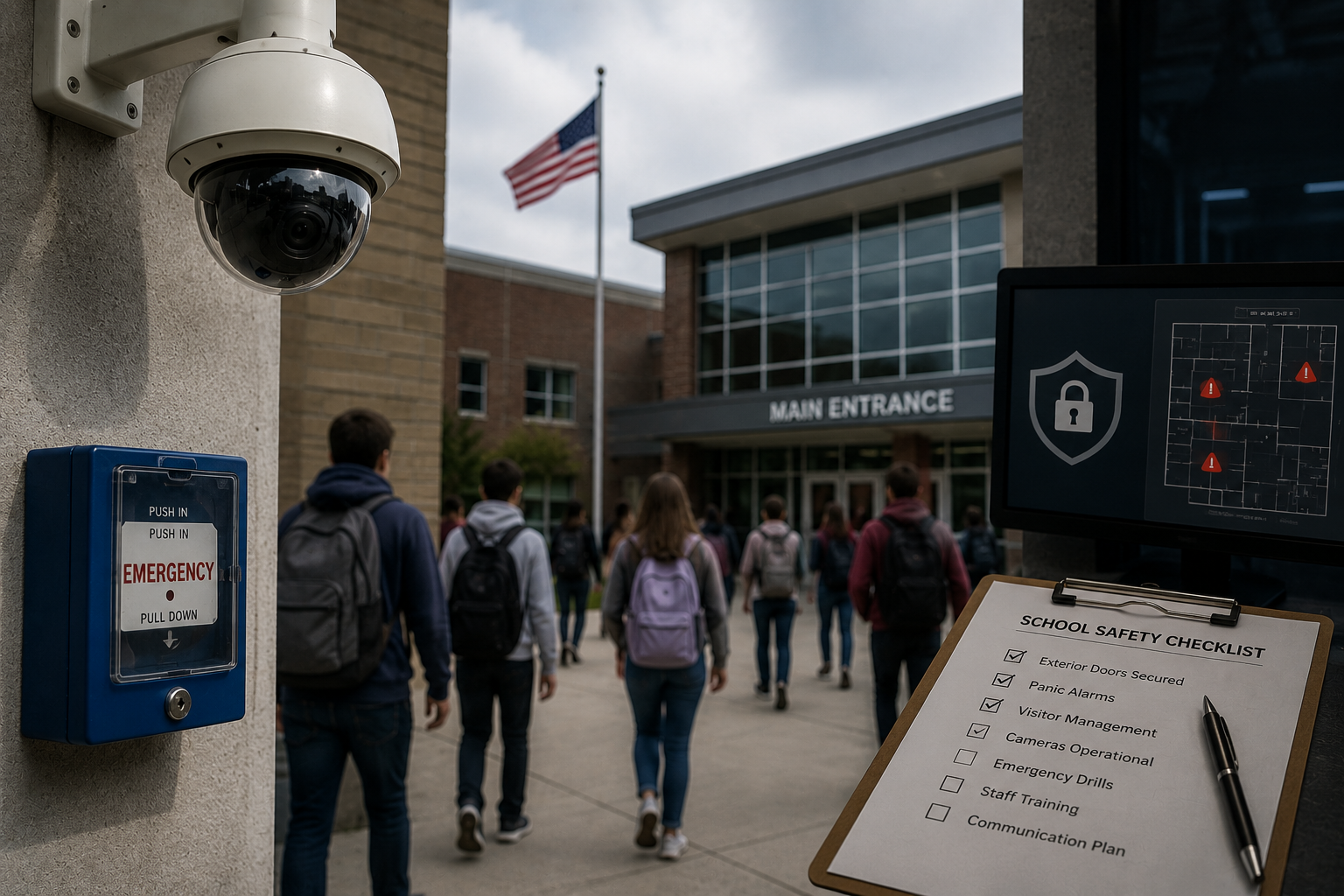
Panic buttons offer a direct solution. These devices—often worn on lanyards or accessible via mobile apps—enable teachers and staff to instantly notify law enforcement and internal security teams of a threat. The primary goal is clear: shave precious seconds off emergency response times and potentially save lives.
One notable case where this technology made a difference occurred during a school shooting in Georgia. Thanks to an installed panic alert system, authorities were notified and able to act quickly, helping prevent further harm.
How Panic Button Systems Work
Most panic button systems are designed to be simple and discreet. With the press of a button, a school employee can trigger an alert that notifies:
- Local law enforcement
- On-site security officers
- School administrators
- Emergency response systems
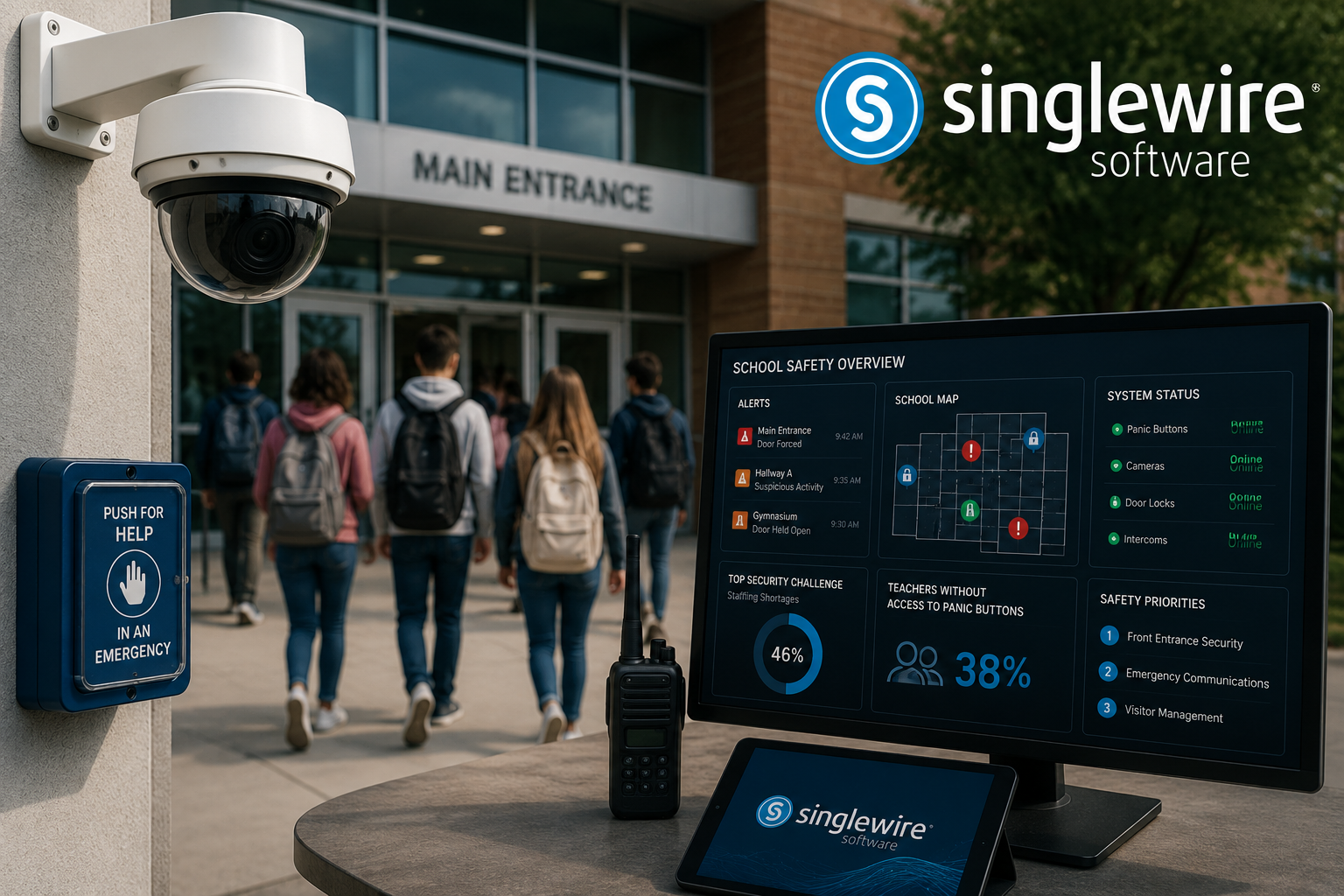
Some systems are integrated with building access controls, surveillance feeds, and intercoms—helping responders assess the situation more accurately in real time.
These systems may also include GPS location tracking, allowing authorities to pinpoint exactly where the alert originated, further streamlining the emergency response.
Experts Say Panic Buttons Are Just the Beginning
While panic buttons can reduce the time it takes for law enforcement to arrive on the scene, security professionals stress that they are only one part of a broader school safety strategy.
In an interview with InvestigateTV, advocates from the nonprofit Make Our Schools Safe said the rise in school shootings requires a layered approach that includes:
- Comprehensive emergency preparedness training for staff and students
- Upgraded access control and visitor management systems
- Regular safety audits and risk assessments
- Mental health resources and threat assessment protocols
“The panic button is a powerful tool,” one school safety expert explained. “But it should be part of an integrated solution that includes physical security, emergency planning, and behavioral health supports.”
The Push for Statewide Mandates and Funding
Several states are now considering legislation that would mandate panic button systems in public schools. In some areas, funding has already been allocated through school safety grants or emergency preparedness programs.
Supporters argue that these technologies are a necessary investment in an era where school shootings are a persistent risk.
“We can’t control everything, but we can give our educators the tools to respond quickly,” said one advocate. “Every second counts in a crisis.”
Parents Want Reassurance
For parents, knowing that panic buttons are in place offers some peace of mind. While no system can guarantee a threat won’t occur, the ability to immediately contact help in an emergency helps families feel that schools are doing everything they can to protect students.
“I’d rather have it and not need it, than need it and not have it,” said one parent whose child attends a school that recently adopted panic button technology.
A Step Forward, Not a Final Solution
As tragic incidents continue to make headlines, schools must adapt their security measures to meet new challenges. Panic buttons represent a significant step forward in emergency response capabilities, but experts and advocates agree—they should be part of a comprehensive, multi-layered approach to school safety.
Investments in technology must be matched with training, planning, and support systems that empower educators and protect students.