Article Originally Published Here
Many security officers enter the field with little more than on-the-job experience, leading to gaps in their ability to manage real-world challenges. In Philadelphia, efforts are underway to close these gaps through proposed legislation aimed at boosting professionalism.
Veteran Guard Calls for Better Training
Tyrone Patterson, a 67-year-old security guard with 21 years of experience, recalls starting without any hands-on training. “When I began, I had no real training,” he says. Now, as the city prepares for major events like the 2026 FIFA World Cup and the nation’s 250th birthday, Patterson stresses the need for proper training so guards won’t “embarrass Philadelphia.”
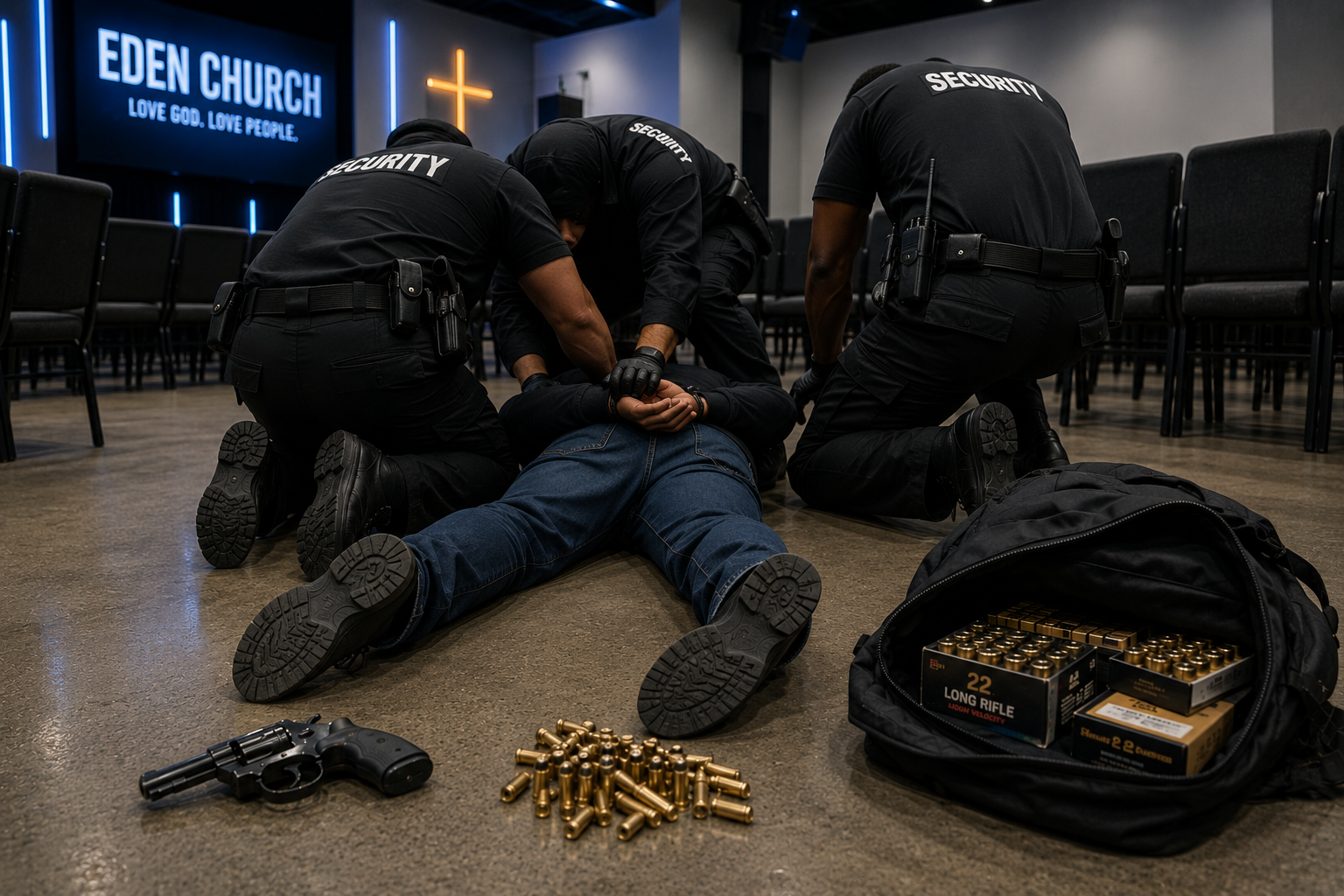
READ: Security Guard Stops Armed Attacker at Michigan Church, Prevents Mass Shooting
Survey Reveals Widespread Training Gaps
Survey data from SEIU 32BJ supports his concern. Among 552 respondents, guards from companies such as Allied Universal Security Services and Securitas, about one-third had never received training on safely de-escalating hostile situations, or hadn’t done so in over a year. Many reported facing dangerous encounters regularly without adequate preparation.
According to SEIU 32BJ, three out of every five guards encounter at least one incident per week, and one in five face three or more. These range from dealing with mental health crises and intoxicated individuals to aggressive hospital patient screenings. Alarmingly, half reported dangerous confrontations in the past year.
High Turnover Linked to Inadequate Preparation
Sam Williamson, Pennsylvania state director for SEIU 32BJ, highlights how guards face high-stress situations without foundational training. “They find themselves handling mental health crises, potentially violent incidents, or tense situations,” he notes. Without training, these encounters increase turnover and erode confidence.
In Pennsylvania, training requirements for security guards vary: armed guards must complete 40 hours of training, but unarmed personnel receive no mandatory training. This patchwork leaves many guards without essential instruction in first aid, crisis intervention, or mental health response.
Low Wages Compound the Problem
The lack of standards combines with poverty-level wages, creating a precarious situation. Although unionization has raised pay from as low as $8–$9 to a minimum of $16.25 per hour, many guards still struggle to meet basic needs. The living wage for a single adult in Pennsylvania stands at $22.91 per hour, according to MIT’s calculator.
New Legislation Aims to Standardize Training
To address these issues, Councilmember Isaiah Thomas has proposed legislation setting clear training requirements: 40 hours of training within 90 days of hire, and 8 hours of annual refresher training. Topics must include emergency response, de-escalation techniques, first aid and CPR, mental health crises, threat identification, drug and alcohol awareness, and homelessness response.
Significantly, the bill would require employers to pay guards for training time and cover all costs, removing barriers to participation.
City Commits Funding for Guard Development
To support this, Philadelphia has allocated $250,000 to launch a development program for 200 Center City guards. The initiative offers training in conflict resolution, CPR, and emergency procedures. The goal is to elevate on-site skills while paving the way for long-term career growth.
Stephanie Gibson, a 42-year-old guard, has benefited from training and certification in CPR but still faces concerns. She worries about working multiple sites without standardization: “If I pick up a shift somewhere I’m not trained for, I don’t know what I’m supposed to do.”
Security Work Must Be a Pathway, Not a Struggle
Patterson and others see training as more than job preparedness, it’s about dignity and city reputation. As Patterson puts it, “We’re going to need a lot of guards, and they need to be trained so we don’t embarrass Philadelphia.”
Union leaders argue that investing in preparing security officers isn’t just about safeguarding public spaces, it’s about enabling security work to serve as a pathway to the middle class. Workers currently struggle with instability: skipping meals, delaying rent, or facing housing insecurity. A better-trained, better-paid workforce could uplift families and enhance community stability.
Contract Negotiations Bring Hope for Reform
SEIU 32BJ contract negotiations are set to begin soon, with training mandates and wage increases high on the agenda. With current contracts expiring in September, union leaders aim to lock in improvements before the city hosts major events.
Philadelphia’s proposed law would set a national example. As cities across the country grapple with security concerns, their requirement for paid, consistent training could serve as a blueprint for reforming the private security sector.
Philadelphia’s private security force stands at a crossroads. With thousands of guards protecting office buildings, events, and public spaces, the need for standardized training, fair compensation, and clear professional development is more urgent than ever. The proposed legislation and city-led programs mark steps toward ensuring that these essential workers are qualified, equipped, and respected.