Article Originally Published Here
In the fiercely competitive world of B2B marketing, Account-Based Marketing (ABM) has emerged as a game-changer. ABM is not just another buzzword; it’s a strategic approach that laser-focuses marketing efforts on key accounts, treating each one as a market of one. The results speak for themselves:
- 97% higher ROI than traditional marketing methods
- 92% faster sales cycles
- Larger deal sizes and better sales-marketing alignment
However, as we head into 2024, the ABM landscape is evolving rapidly. To stay ahead, it’s crucial to understand the latest strategies, tools, and metrics that drive ABM success. This guide will explore everything from account selection and personalization to multi-channel engagement and performance optimization. Whether you’re an ABM veteran or just getting started, this article will arm you with the insights and best practices you need to take your ABM to the next level.
Read: How to Streamline the Marketing Strategy of Your Small Business Using AI
What is Account-Based Marketing (ABM)?
ABM is a B2B marketing strategy focused on engaging key target accounts through personalized campaigns. The foundation of ABM lies in aligning marketing and sales efforts to target decision-makers at each account, delivering tailored messages based on specific needs and challenges.
Examples of ABM:
- Personalized Content: Custom whitepapers, case studies, or personalized websites that address the target account’s pain points.
- Multi-channel Engagement: Utilizing email, social media, targeted advertising, and direct mail to engage decision-makers at the target account, reinforcing the message across multiple touchpoints.
Types of Account-Based Marketing
ABM strategies can be categorized into three types:
- One-to-One ABM: Personalized, resource-intensive campaigns targeting high-value accounts. It involves creating custom content and solutions for each account.
- One-to-Few ABM: Focused on small clusters of accounts with similar characteristics, allowing for more scalability while still offering tailored campaigns.
- One-to-Many ABM: Programmatic ABM that targets a larger number of accounts using automation to deliver account-specific messages with lower personalization.
Account-Based Marketing Strategies
To achieve success with ABM, focus on three core strategies:
- Identify and Prioritize Target Accounts: Define your ideal customer profile (ICP) based on firmographic data (company size, industry) and behavioral data (website visits, content downloads). Prioritize accounts with the highest revenue potential.
- Develop Personalized Content and Messaging: Create content that addresses the unique challenges and needs of each target account. This can include custom case studies, industry-specific whitepapers, or personalized product demos.
- Orchestrate Multi-Channel Engagement: ABM campaigns should span multiple channels—email, social media, targeted ads, and even direct mail. The goal is to build familiarity and trust with the account over time.
ABM Metrics: Measuring Success
To gauge the success of ABM campaigns, focus on three key metrics:
- Coverage: Measure the percentage of target accounts reached and stakeholders engaged.
- Engagement: Track interactions such as time spent with content, frequency of engagement, and recency of interactions.
- Impact: Evaluate the pipeline created, opportunities generated, and revenue won from the target accounts.
Benefits of Account-Based Marketing
ABM offers several benefits over traditional marketing methods:
- Higher ROI and Deal Size: Focusing on high-value accounts can lead to significantly higher returns on investment (ROI) and larger contracts.
- Shorter Sales Cycles: By engaging multiple stakeholders simultaneously, ABM can accelerate the decision-making process and shorten sales cycles.
- Better Sales and Marketing Alignment: ABM fosters close collaboration between sales and marketing teams, resulting in a more efficient use of resources.
- Increased Customer Loyalty: Providing personalized attention and support helps build stronger relationships with key accounts, leading to higher retention rates.
Account-Based Marketing Tools
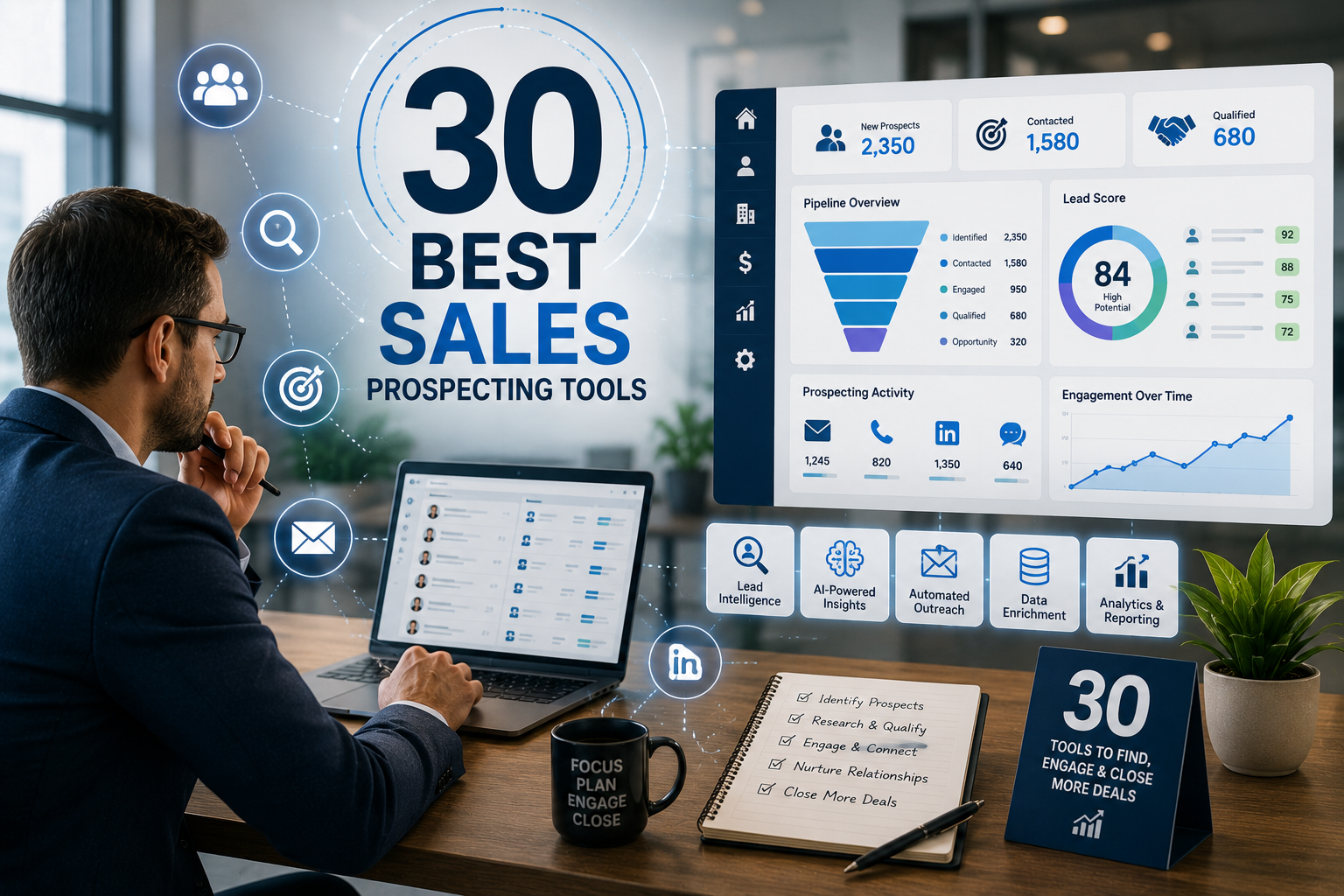
Several ABM tools help streamline the process. Here’s a breakdown of the top tools in three categories:
- Account Selection and Insights:
- 6sense: Provides account identification and predictive intelligence.
- ZoomInfo: Helps build target account lists and buyer personas.
- Engagement Orchestration:
- Terminus: Manages multi-channel ABM campaigns.
- Demandbase: Focuses on account-based advertising.
- Sales Enablement:
- Highspot: Offers sales content management and analytics.
- SalesLoft: Empowers sales engagement and automation.
ABM in 2024: Your Path to B2B Success
By focusing on personalized engagement with high-value accounts, ABM delivers results that traditional marketing can’t match. To succeed with ABM in 2024, align your sales and marketing teams, develop customized content, and use a multi-channel approach. Implementing these strategies will help you drive higher ROI, close deals faster, and foster long-term customer relationships.
Ready to take your B2B marketing to the next level? Implement these ABM strategies and watch your results soar!