Article Originally Published Here
School resource officers (SROs) play a critical role in enhancing the well-being and safety of students, staff, and the school community through trust-building practices like open communication, active engagement, and consistent presence.
In recent years, school safety concerns have intensified. In the 2021-2022 school year alone, 67% of U.S. public schools reported at least one violent incident, and 2023 recorded 349 school shootings. These alarming statistics emphasize the importance of security within educational environments. SROs are instrumental in creating a sense of safety on campuses by building meaningful relationships and fostering trust, ultimately helping to reduce violence, support at-risk students, and promote a secure learning space for all.
The Role of a School Resource Officer
An SRO is a sworn law enforcement official assigned to a school to support safety and prevent crime. Their responsibilities extend beyond security, as they often act as mentors, educators, and emergency managers, building positive relationships with students and promoting a safe campus culture. Establishing trust is central to an SRO’s effectiveness; when students feel safe with an SRO, they are more likely to approach them with concerns or report harmful behaviors. Here are three ways SROs can build trust within their school communities.
READ: Schools Seek More Security Staff Amid Ongoing Shortages
1. Establish an Open-Door Policy
Creating an open-door policy is a powerful way for SROs to become more approachable within the school. By encouraging students to reach out with questions, concerns, or simply to get to know them, SROs foster a welcoming environment that promotes trust. Informal conversations allow students to see SROs as supportive figures interested in their well-being rather than just rule enforcers, which in turn helps students feel more secure and comfortable on campus.
An open-door policy also benefits faculty. Teachers and staff, who regularly observe student behavior, can share insights or concerns with SROs about students who may need extra support. By maintaining a collaborative relationship with school staff, SROs strengthen their role as trusted allies in the school community’s overall safety and well-being.
2. Engage with Students in the Classroom
SROs can further build trust by actively participating in classroom settings, where they share relevant expertise on topics like mental health, safety, and the justice system. By discussing real-life scenarios, SROs can offer valuable insights that make them relatable and approachable, helping to break down barriers and inspire trust. Through these discussions, students not only gain a better understanding of the SRO’s role but also see them as mentors.
Classroom engagement also allows SROs to highlight career paths in public safety, addressing recent recruiting challenges within the industry. When students view SROs as educators who care about their development, it fosters respect and trust, while reinforcing the SRO’s commitment to maintaining a safe and supportive environment.
3. Be Visible on School Grounds
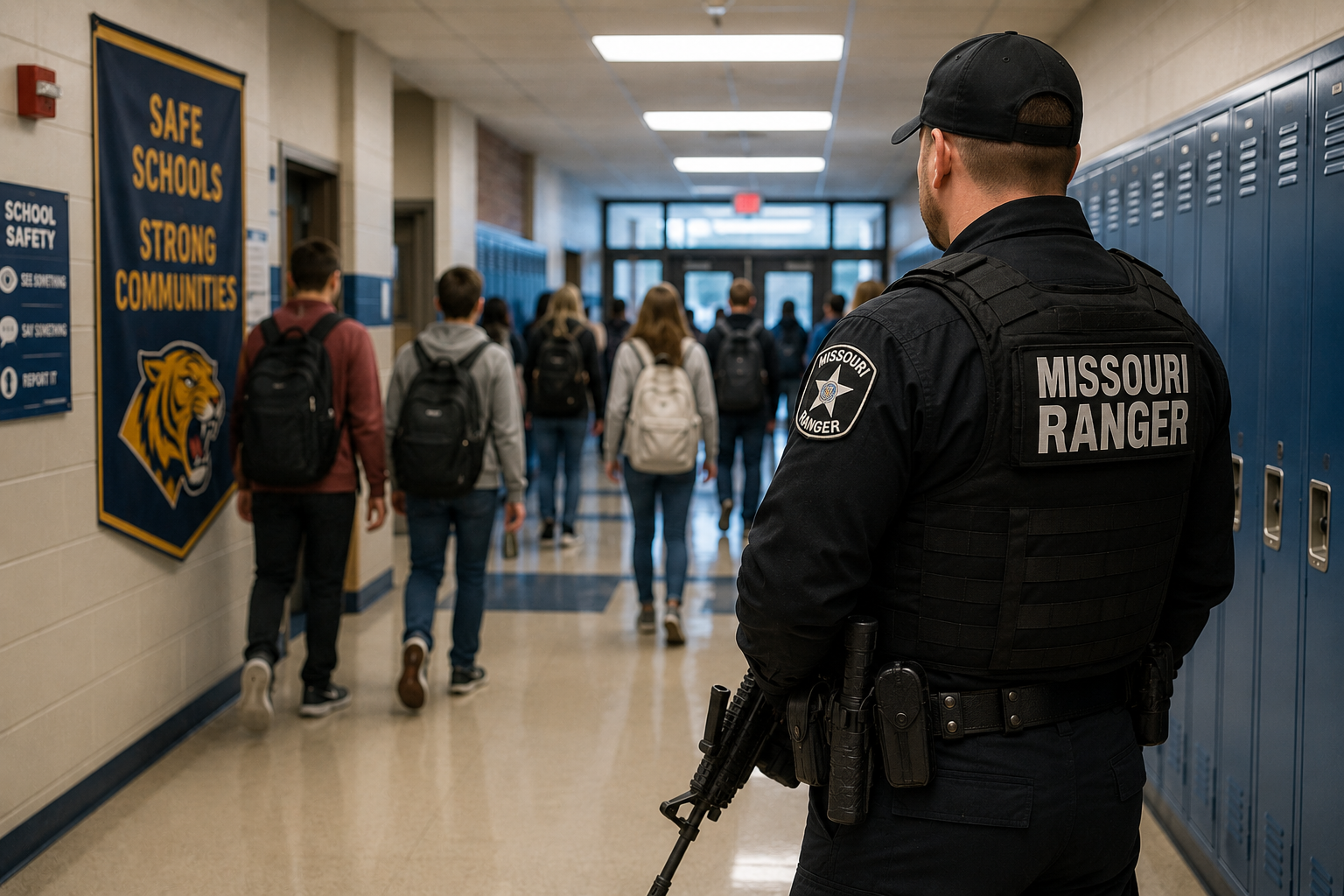
Maintaining a visible and approachable presence across the campus is essential for SROs aiming to build trust. By interacting with students in casual settings like hallways, cafeterias, and during school events, SROs can develop rapport and a deeper understanding of students’ daily lives and concerns. This visibility reassures students and helps them feel comfortable approaching the SRO with questions or issues.
Being consistently present also allows SROs to monitor the campus and address any concerns before they escalate, demonstrating a proactive commitment to student safety. In emergencies, SROs are well-positioned to respond swiftly and coordinate with school officials and other law enforcement, reinforcing their role as reliable protectors of the school community.
Conclusion
School resource officers play an invaluable role in creating safe, supportive learning environments. Building trust with students, faculty, and staff is crucial for SROs to be effective in their roles. By maintaining open communication, engaging with students in positive ways, and ensuring a visible, approachable presence, SROs can enhance overall campus security and contribute to the well-being of everyone on campus. In doing so, they help ensure that schools remain safe spaces where students, educators, and communities can thrive.