Article Originally Published Here
The era of one-size-fits-all training is over. Training programs for Millennials and Gen-Z must now focus on creating engaging and relevant experiences that resonate with these tech-savvy generations.
As these generations take on leadership roles, organizations must adapt their training programs to meet their specific needs. With technology at their fingertips, these employees thrive on innovation, interaction, and flexibility in learning environments.
Here are 10 practical ways to update your training programs for yonger workers, helping to develop their skills while fostering a culture of continuous learning.
READ: 16 Important HR Metrics to Track
1. Understand the Millennial and Gen-Z Workforce
To effectively train Millennials and Gen-Z, it’s essential to understand their unique perspectives. Millennials (born between 1981 and 1996) value collaboration, purpose, and a balanced work-life dynamic. Gen-Z (born from 1997 onward) are digital natives who expect instant access to information and value authenticity and transparency. Both groups prefer inclusive environments that support diverse ideas and seek growth-oriented feedback.
2. Adapt to New Learning Styles
Millennials and Gen-Z favor experiential learning over traditional methods like lectures. They excel in environments that allow for real-time practice of skills. Enhance your training by incorporating visual content such as infographics, videos, and interactive modules. Providing resources that allow for self-paced learning also helps cater to their preferences.
3. Integrate Technology into Training
Technology plays a vital role in engaging today’s workforce. Online platforms offer the flexibility that allows employees to access training materials anytime, anywhere. Utilize interactive tools like virtual reality, mobile apps, and data analytics to create immersive learning experiences. Incorporating social media into your training strategy can also foster collaboration and make knowledge sharing more engaging.
4. Make Training Interactive and Engaging
Boost the effectiveness of your training by adding interactive elements. Implement breakout sessions, hands-on activities, and role-playing scenarios to keep learners engaged. Digital platforms can be used for live polling, Q&A sessions, and ongoing discussions, making the learning process more dynamic and memorable.
5. Offer Flexible and Personalized Learning Options
Cater to the needs of Millennials and Gen-Z by providing flexible and personalized learning options. Allow them to choose from different formats, such as written materials, videos, or podcasts, and offer self-paced modules. Flexibility in scheduling and content delivery not only enhances engagement but also encourages a sense of ownership over their learning.
6. Leverage Social Media for Training
Social media is a powerful tool for training and development. Platforms like LinkedIn, Instagram, and Twitter can be used to share bite-sized content, including short videos, infographics, and quick tips. Creating dedicated groups or forums for discussion and hosting webinars on platforms like Facebook Live can also enhance learning and collaboration.
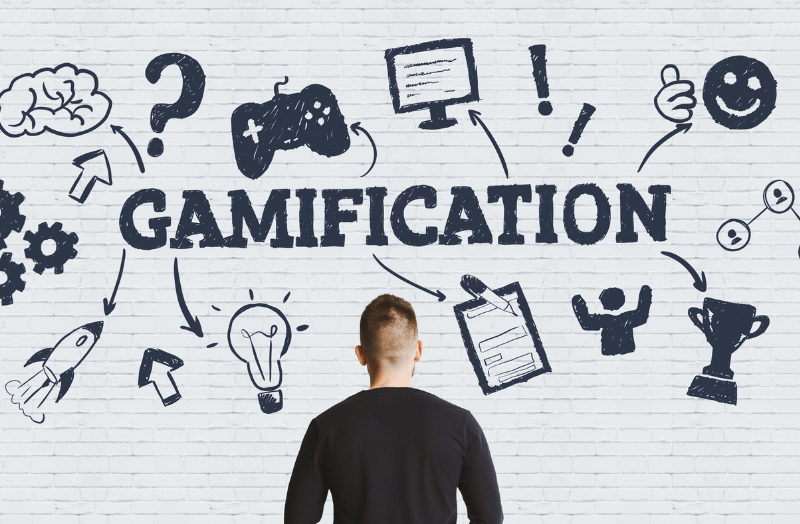
7. Gamify Training Programs for Millenials and Gen-Z
Gamification makes learning more engaging by incorporating elements like points, badges, and leaderboards. This approach taps into the natural desire for competition and achievement, motivating employees to participate actively. Gamified training also allows learners to progress at their own pace and receive instant feedback, making the learning experience more enjoyable and effective.
8. Encourage Collaboration and Teamwork
Fostering collaboration in training programs is crucial for Millennials and Gen-Z, who thrive in environments where ideas are shared and teamwork is emphasized. Encourage group projects, use virtual brainstorming sessions, and incorporate peer feedback to enhance collaboration and problem-solving skills.
9. Use Real-World Scenarios and Case Studies
Integrating real-world scenarios into your training programs helps bridge the gap between theory and practice. Case studies can foster critical thinking and problem-solving skills, while industry success stories highlight best practices. Real-world examples make learning more relevant and prepare employees for actual workplace challenges.
10. Measure Success and Continuously Improve
To measure the effectiveness of your training programs, focus on engagement levels and knowledge retention rather than just attendance. Use surveys, quizzes, and feedback forms to gather insights and continuously improve your training content. Learning management systems can track progress and provide valuable data to help you refine your approach, ensuring your programs remain relevant and effective.
Ready to Create Engaging Training Programs for Millennials and Gen-Z?
Updating your training programs is essential for engaging the Millennial and Gen-Z workforce. By understanding their learning preferences, integrating technology, and making training more interactive, your organization can foster growth, attract top talent, and set itself apart as a leader in employee development.