Article Originally Published Here.
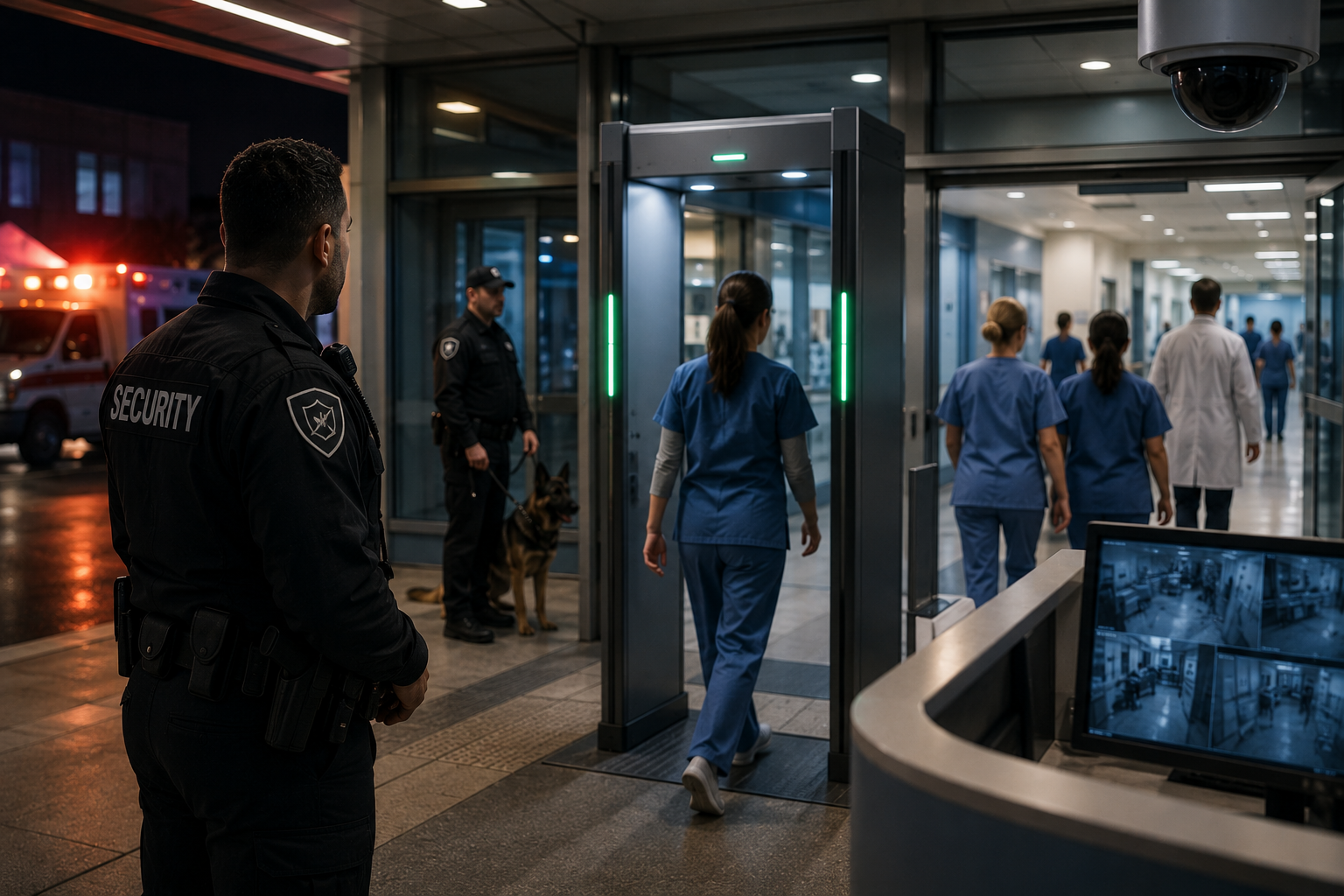
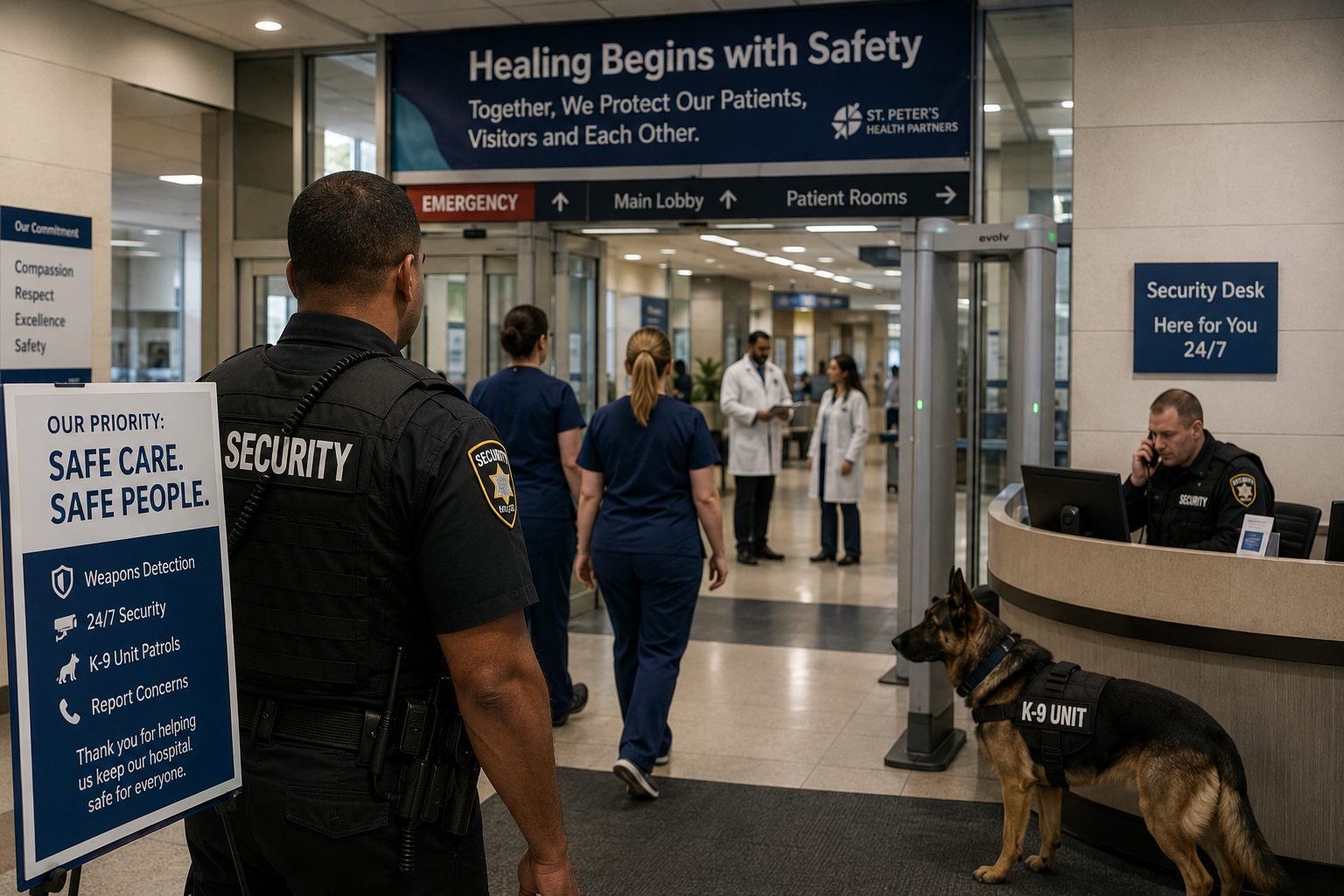
Acts of physical violence and verbal abuse reported at hospitals in New York have soared since the COVID-19 pandemic, alarming healthcare providers and forcing them to make significant investments to protect staff and patients. The escalating hostility is making it harder to retain nurses amid staffing shortages and leading to increased security with armed officers and K-9 units patrolling the halls and weapon detection systems at entrances.
While many hospital systems are hesitant to discuss the issue and provide specifics, Trinity Health New York workers and administrators shared what they’ve experienced at its New York hospitals since the start of the pandemic in 2020.
Reported incidents of physical violence at St. Peter’s Health Partners facilities in the Capital Region — St. Peter’s Hospital, Samaritan Hospital, including its Albany Memorial and St. Mary’s campuses, and Sunnyview Rehabilitation Hospital — more than doubled between 2019 and 2025 to 316 from 151, a 109% increase. At St. Peter’s alone, violent episodes rose 144% to 100 incidents in 2025.
In the last 13 months, St. Joseph’s Health Hospital in Syracuse, which is also part of the national Trinity Health New York network, has seen 165 incidents of workplace violence, resulting in 96 lost days of work, according to hospital officials. Of those, 153 were physical and 12 verbal.
“I had a nurse this week get kicked in the stomach by a patient. I’ve had nurses bitten, I’ve had nurses spit at, the whole gamut,” said Judy Quinn, emergency department nurse manager at Samaritan Hospital in Troy.
It’s a high-stress atmosphere, said Lisa Taylor, emergency department night supervisor at the hospital, who recalled a recent incident in which two visitors drew weapons during an altercation in front of staff in the emergency room area. She said she’s berated by patients and visitors almost daily.
“It’s almost as if they need to be mad at somebody,” Taylor said. “We’re always the forefront of the community, so we’re always that first line and we get some of the angriest people because they want answers. Sometimes we can get them; sometimes it takes a while to get those answers; or sometimes they just don’t like those answers or what we have to offer them.”
Trinity Health New York leaders say the assaults and verbal abuse against nurses, techs, social workers and providers often come without warnings while providing patient care. They blame the shift in behavior on a worsening of conduct occurring nationwide that Dr. Steven Hanks, the president and CEO of St. Peter’s Hospital Partners and St. Joseph’s Health, called “very, very unsettling.”
Hanks said the most common areas where this is occurring are in emergency departments and psychiatric areas, but it is happening everywhere throughout the organization.
Recently, a clinician was bitten during a routine lab draw; a staff member was punched in the back of the head during a shift change; and team members were kicked, scratched and punched, sometimes resulting in lost time from work. Patients routinely verbally attack and physically threaten staff members.
More than 200 healthcare workers came together Thursday in Oneida County to discuss what needs to change to help tackle the issue of workplace violence in hospitals.
According to state senators, 70% of emergency room nurses and more than half of emergency room physicians across New York state have reportedly been physically assaulted while at work, most commonly by patients. One in three incidents leads to injury.
In April, a 35-year-old man visiting a patient at Rochester General Hospital grew upset with a nurse, pulled out a loaded 9mm Glock handgun and threatened her, according to city police. The man then threatened responding security officers before he was taken into custody on weapons and menacing charges.
“The biggest thing is the not so much the physical harm, which is real in many cases, but the emotional impact and our ability to retain staff is threatened by the fact that we have so many more of these incidents, Hanks said. “We are investing heavily in improving the safety and security in our environment. We’ve professionalized our security workforce. We’ve added access controls. We’re adding weapons detection systems. We’re doing all sorts of things, including things related to the way we care for patients,” Hanks said.
That sometimes involves decreasing the number of psychoactive drugs prescribed, he said.
To keep staff and patients safe, St. Peter’s has made changes that healthcare providers say were unimaginable only five years ago. It hired Joshua Laiacona, a retired Albany Police Department commander, as its regional director of security, and expanded security staffing to include a K-9 unit that patrols higher-risk areas.
The hospital system has increased cameras and monitoring systems and instituted a duress system in which staff members wear devices that enable them to immediately contact security.
Laiacona is also hiring experienced law enforcement officials who specialize in de-escalation, and instituted an internal supervisor rank structure with some armed officers.
“Our main focus is providing a safe environment for patients and our ability to care for them,” Laiacona said.
To help reduce and deter such behavior, the hospital system brought in its first canine team about a year ago, which includes Doug, a German shepherd that retired from the Albany Police Department. Doug serves as a regional asset and is handled by Bret Phillips, a regional senior lead K-9 officer.
Forming a hospital K-9 team required several months of training and certifications. The team is now training Doug’s replacement, Sam, over a six-month period.
“This K-9 will be trained in explosives detection, tracking work and in some bite work; to do some mitigation in that way,” Laiacona said.
St. Peter’s Health Partners also recently established reporting and debriefing measures to track problem areas and is supporting a Workplace Violence Committee to identify risks and develop preventive strategies. In October, hospital leaders shared the report of violence with area elected officials and is now working with state legislators to pursue peace officer status for its security officers.
The legislation has been introduced in the state Assembly and Senate. It would provide the officers power to detain an individual who has committed an offense while awaiting law enforcement to arrive.
“We have met regularly with Trinity Health as they have detailed the frequency and severity of the incidences,” state Assemblyman John McDonald said. “Sadly, this is becoming the norm in healthcare as we have seen similar legislative efforts in Buffalo and Rochester, to name a few.”
Laiacona said peace officer status is vital because it would give his team statutory authority to handle individuals with behavioral problems, whom he said are increasingly brought by police to hospital settings rather than the criminal justice system due to changes in the law, such as bail reform.
The push for increased security comes at a cost. Trinity Health New York has increased its security workforce by nearly 20% since 2019 and seen its total security investment at St. Peter’s and St. Joseph’s Health increase by about 70%, a spokesperson said.
“The difficulty with healthcare is the costs continue to escalate more quickly than the revenues,” Hanks said. “But we can’t do anything if we don’t have a safe environment for our colleagues. This is an area where we have made investments and we will continue to do so.”
New York hospitals are increasingly installing metal and weapon detection systems. Community Memorial Hospital in Hamilton, Garnet Health Medical Center in Middletown and Albany Medical Center Hospital have implemented them to improve safety. Samaritan Hospital is putting up metal detectors as well.
Nurses at Westchester Medical Center-HealthAlliance Hospital in Kingston say instances of workplace violence endanger them, patients and staffers, and compromise their ability to perform their jobs.
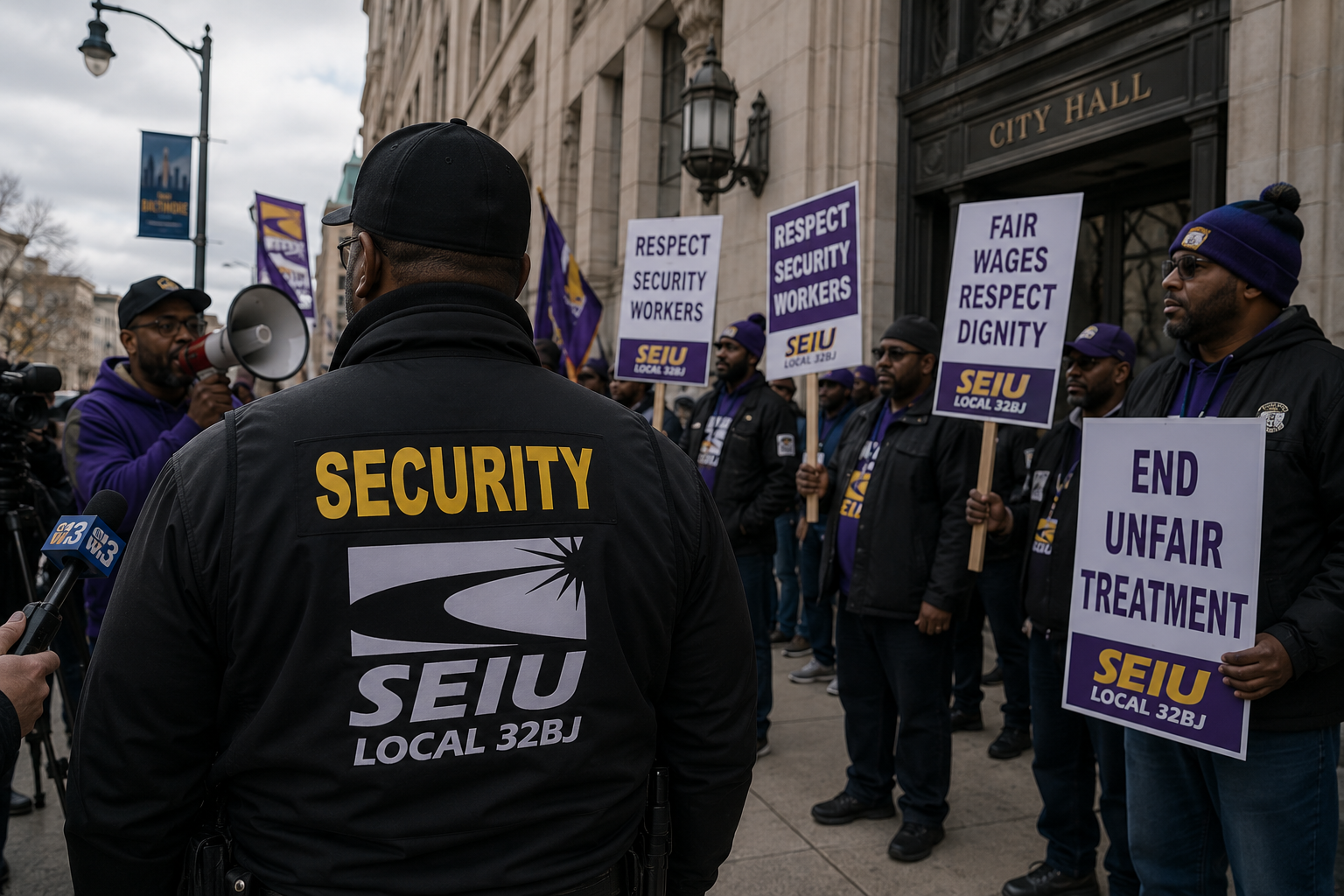
They became so concerned about conditions that they held a rally last month demanding the hospital take proper safety measures. Two weeks later, they and hospital management reached a three-year work contract that includes improved door locks, weapons detection systems at all hospital entrances and increased security personnel, in addition to pay incentives and benefits to maintain staffing.
“It’s unfortunate that while we’re there to care for patients, provide care that we would expect for ourselves, that we’re placed in these unsafe situations, or made unsafe. I think the situations are becoming more catastrophic,” said Andrea Myers, a registered nurse at the Kingston hospital.
Violence is affecting hospitals nationwide. Ten national healthcare organizations, including the American Hospital Association and American Nurses Association, recently released a joint statement on workplace violence, which is defined as any act or threat of physical violence, harassment, intimidation, or other threatening, disruptive behavior.
“Data from the U.S. Bureau of Labor Statistics has consistently shown that healthcare and social service workers experience workplace violence at higher rates than workers in any other sector, a troubling trend that only continues to persist and intensify,” the statement says. “Workplace violence erodes the safety and dignity of health care environments, directly contributes to workforce burnout and turnover, and compromises the quality of care for patients. This violence undermines our healthcare system’s ability to provide safe, healing environments for all.”
The unrest is contributing to the growing nurse shortage in New York, according to the New York State Nurses Association, which represents more than 42,000 members, and hospitals leaders.
“I think it’s making young people think twice about where they want to work in the healthcare sector,” Hanks said. “It is absolutely having an impact. And again, it’s a nationwide problem.”
Taylor, the emergency department night supervisor at Samaritan, said unwarranted abuse has made her a bit numb.
“People are trying alternative careers in nursing that aren’t bedside,” she said. “They don’t want to be treated the way we’ve been treated.”
According to the U.S. Bureau of Statistics, healthcare workers are five times more likely to experience workplace violence than other industries.
Legislation signed into law in New York in 2010 makes assaulting a nurse and other direct care staff in hospitals, nursing homes and clinics a class D felony punishable by up to seven years in prison. The charge applies when an assailant causes “physical injury.”
On the federal level, a group of senators and representatives last May introduced the bipartisan Save Healthcare Workers Act, which would make it a federal crime to assault a hospital staff member on the job. The bill has been referred to committees.
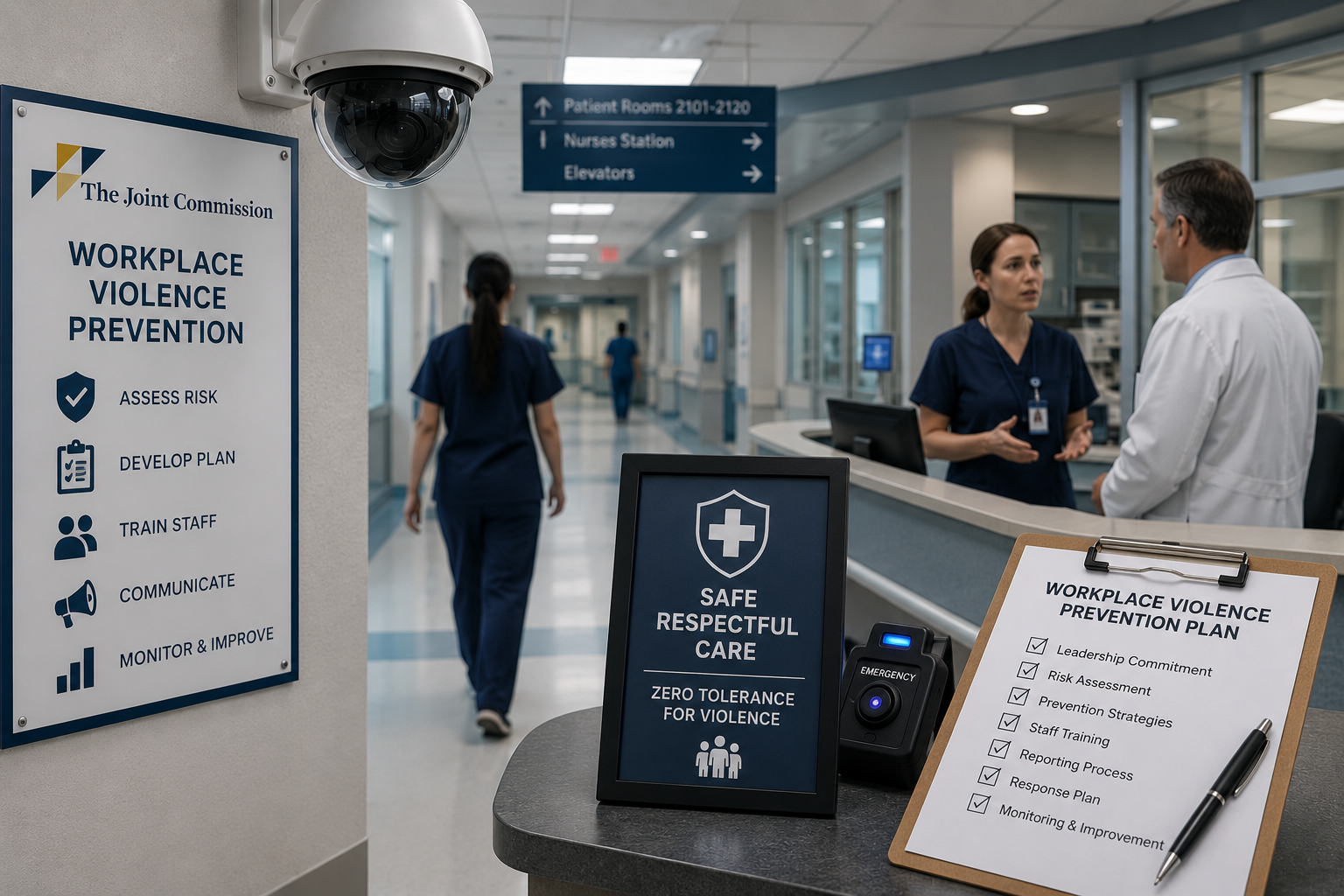
To help protect hospital workers, patients, residents and visitors, Gov. Kathy Hochul in December signed legislation that requires general hospitals and nursing homes to establish a workplace violence prevention program. The law becomes effective in September. Hospitals and nursing homes will then have a year to establish the programs.
Beginning Jan. 1, 2027, hospitals must conduct safety and security assessments at least once a year and develop a safety and security plan that addresses workplace violence threats and hazards identified by the assessment.
“No healthcare worker should ever feel unsafe on the job and this new law will play a key role in protecting staff and patients throughout our healthcare system,” Hochul’s office said in a statement for this story.
The changes made at St. Peter’s have started to bear fruit this year and are starting to be reflected in the 2026 numbers, according to workers and security staff.
“I can say without a doubt that we have instituted a very layered, thought-out approach that has created a safer environment here,” said Laiacona, the former Albany police officer.
Taylor said an increase in armed security and other measures have made a big difference in making workers feel safer.
“I’ve noticed a great amount of support from this organization,” she said.