Article Originally Published Here.
For decades, the security industry has operated under a simple belief: the more reports we give clients, the better our service looks. Daily Activity Reports, incident reports, parking violation logs, maintenance reports, and tour tracking summaries. Security guard management software makes it really easy to provide more data, because more data means more value, right?
Not anymore.
In reality, many clients are drowning in information they don’t have time to process. They’re getting reports every day but learning very little. The very thing that was meant to improve transparency has now created a new kind of frustration: data overload.
And the truth is, it’s not the officers’ fault, it’s the system. Our industry’s reporting model hasn’t evolved in decades. Until now.
The Reporting Flood
When I talk with security company owners, one of the biggest frustrations I hear is about the volume of reports.
Every day, security officers generate dozens, sometimes hundreds, of reports. There are daily activity reports to document routine operations, incident reports when something goes wrong, parking citations, maintenance requests, and even digital tour tracking data showing every patrol checkpoint.
That sounds thorough, and it is. But here’s the problem: all these reports exist in silos.
Each one captures a small piece of the story, but no one, not the operations manager, not the client, has the time or the tools to connect those dots. If a property manager wants to know how many parking violations happened last quarter, or whether a lighting issue reported last week has been fixed, they have to dig through dozens of separate files to find the answer.
Even worse, if reports are handwritten or poorly formatted, it can be difficult to read them at all. So while we’re producing more information than ever, we’re not necessarily communicating better.

The Information Overload Problem
Let’s be honest, most clients don’t read every report we send them. They skim. They look for major incidents or red flags. The rest often goes untouched.
And it’s not because they don’t care. It’s because they’re busy. Property managers, facilities directors, and corporate security leaders simply don’t have time to dig through piles of reports trying to extract meaning.
I’ve seen it firsthand. Clients receive hundreds of pages of information, all accurate, all detailed, yet they struggle to find anything actionable. Important patterns and small warning signs get buried under routine notes.
So instead of giving clients insight, we’re giving them noise.
Reporting Was Never the Problem — It’s How We Manage It
I understand the hesitation many companies have about doubling down on reporting. Reviewing dozens of reports every single day can feel like an endless, thankless task, especially when many are incomplete, repetitive, or filled with small details that don’t seem to matter in the moment.
I’ve been there. I remember sitting in my office late at night, flipping through report after report, trying to piece together what actually happened across multiple sites. Some reports were great. Others looked like they were written in a rush on a clipboard. And even with the best officers, finding a meaningful pattern in that sea of data felt nearly impossible.
But here’s the thing: those “insignificant” details often turn out to be the most important ones.
A quick note about a door that didn’t latch properly or a suspicious vehicle parked near an entry might seem minor, until that same issue becomes central to an incident investigation weeks later. The problem isn’t that the information lacks value; it’s that manually managing and connecting it is inefficient.
That’s exactly where modern security guard reporting software comes in.
The Shift from Reports to Insights
AI is forcing us to rethink how we collect, manage, and deliver information.
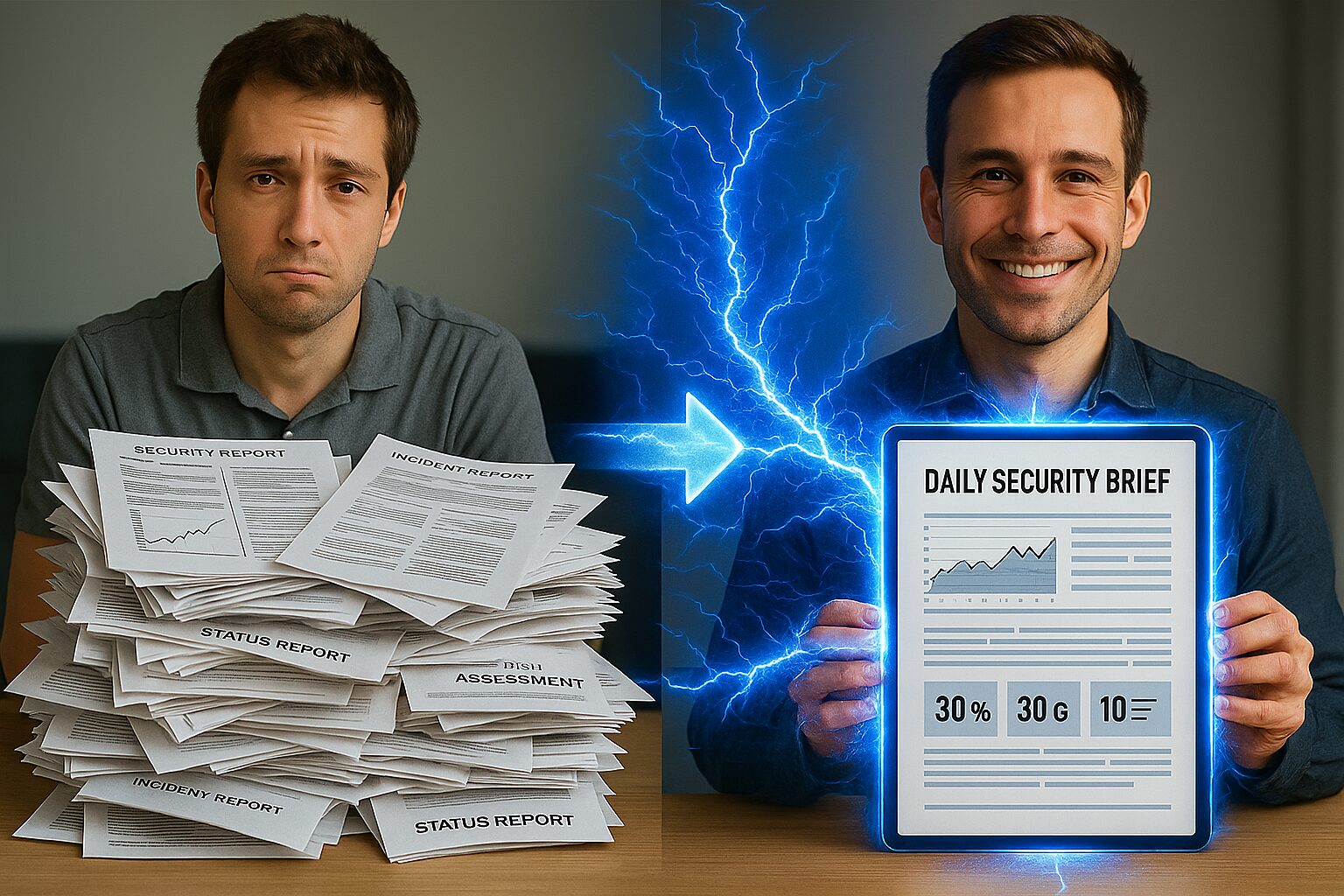
For years, security guard reporting software has focused on digitizing reports, making it easier to submit them electronically rather than on paper. That was a step forward, but it didn’t change the underlying experience. Clients still receive separate reports for each category: daily activity, incidents, maintenance, parking, tours, and more.
Now, with the rise of AI-driven reporting tools, that’s changing.
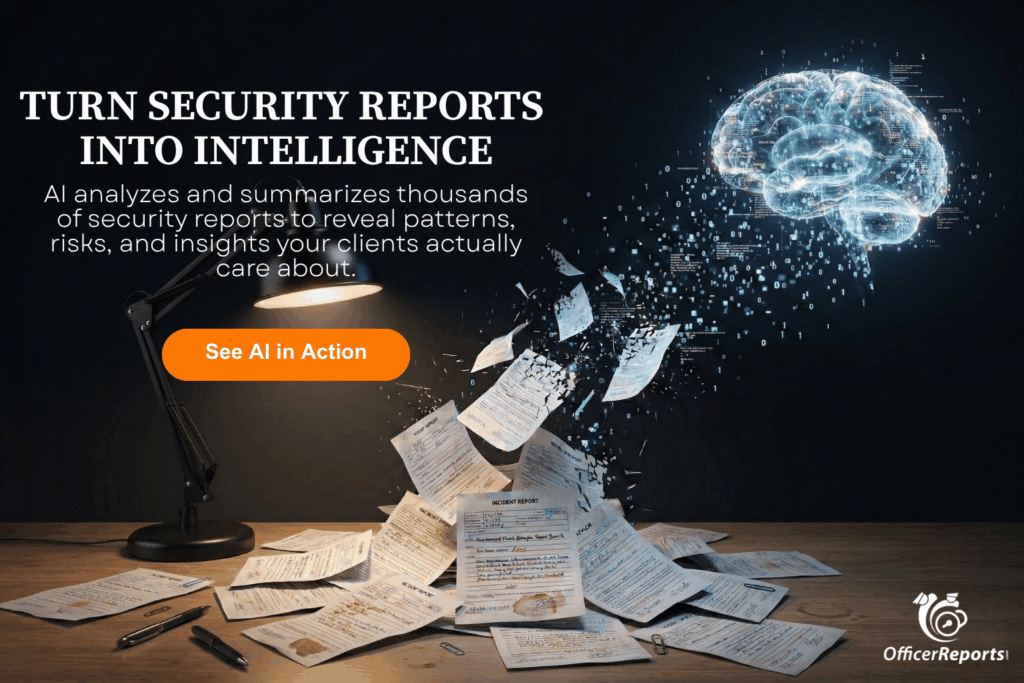
Instead of sending clients dozens of disconnected reports, companies can now use AI to automatically analyze, summarize, and connect data across all report types, creating a single, well-written summary that tells clients exactly what they need to know.
No more searching. No more guessing. Just clear, concise insights.
What Clients Really Want
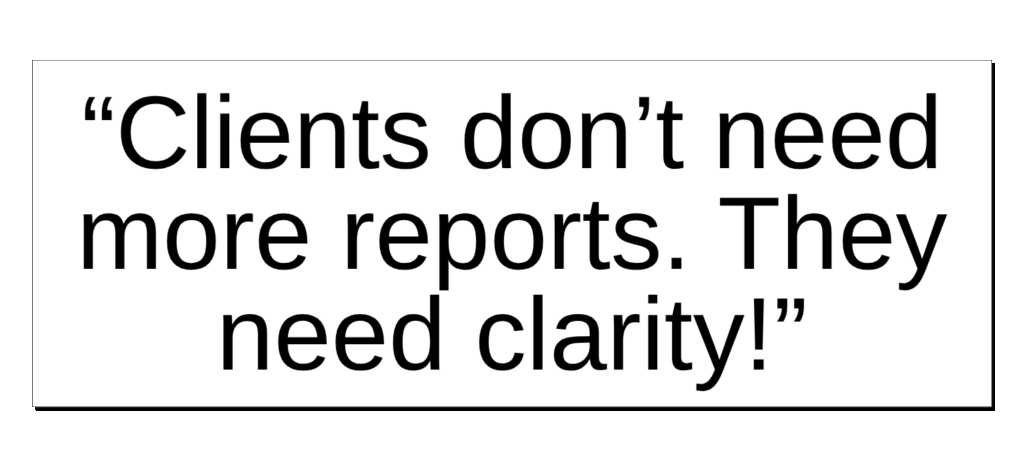
Clients don’t need more reports. They need clarity.
They want to know:
- What happened at their property in the last 24 hours?
- Which issues require their attention?
- What trends are emerging that might impact safety or operations.
They want fewer places to go for information, faster answers, and smarter insights. AI can now identify patterns, generate predictive insights, and even deliver “aha” moments, things that might otherwise go unnoticed in a pile of static reports.
This shift isn’t about replacing human officers. It’s about freeing them, and your operations managers, from repetitive administrative work so they can focus on what really matters: performance, prevention, and client satisfaction.
OfficerIntelligence: Turning Data into Decisions
At OfficerReports, we designed OfficerIntelligence to solve exactly this problem.
Rather than replacing your existing reporting system, it enhances it. OfficerIntelligence works with the reports your officers are already submitting, like daily activity reports, incident logs, maintenance requests, tour data, and more; and uses AI to automatically analyze and summarize that information.
The result?
- One clean, cohesive summary that highlights the most important events.
- Searchable insights across hundreds of reports.
- Fewer manual reviews and faster decisions.
It’s not about creating more reports; it’s about creating more meaning.
From Data Overload to Decision Intelligence
For too long, our industry has believed that professionalism was measured by the number of reports we could deliver. But volume isn’t value.
The future belongs to companies that can turn vast amounts of data into clear, actionable intelligence for their clients.
Security guard reporting software is no longer just about record-keeping; it’s about communication, insight, and foresight.
The next generation of client reporting isn’t about giving them everything. It’s about giving them exactly what they need to know.
And with AI-powered tools like OfficerIntelligence, that future is already here.
.
.
By Courtney Sparkman

Courtney is the founder and CEO of OfficerApps.com, a security guard company software provider and publisher of Security Guard Services Magazine. He is a renowned author and security industry syndicator who also hosts an active YouTube channel, helping thousands of his subscribers to grow their security guard companies.