Article Originally Published Here
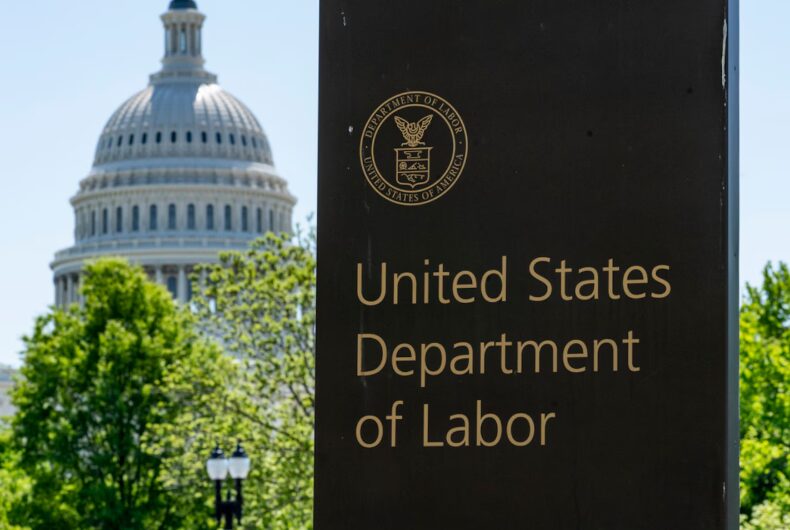
NEW YORK (AP) — A federal judge in Texas has halted the Biden administration’s rule to expand overtime pay eligibility for millions of salaried workers in the United States. The decision, issued by U.S. District Judge Sean Jordan on Friday, sided with Texas and several business organizations, asserting that the Department of Labor overstepped its authority. Judge Jordan ruled that the department improperly prioritized wages over job duties when setting overtime eligibility standards.
Key Changes in Overtime Pay Rules
Under federal law, most hourly workers are entitled to overtime pay for work beyond 40 hours a week. However, many salaried employees are exempt unless their earnings fall below a specified threshold. The Biden administration’s now-blocked rule sought to raise that threshold significantly, marking the largest adjustment in decades.
The proposed rule, effective as of July 1, required employers to pay overtime to salaried employees earning less than $43,888 annually in certain executive, administrative, and professional roles. This cap was set to increase further to $58,656 in 2025.
READ: Security Officers at Men’s Homeless Shelter Unionize, Seeking Better Pay and Training
The Department of Labor estimated that the change would have extended overtime protections to an additional 4 million lower-paid salaried workers in the first year alone. Additionally, 292,900 higher-earning employees were expected to gain protections through separate increases in eligibility thresholds.
Return to 2019 Threshold
With the new rule blocked, the previous threshold of $35,568, implemented in 2019 under the Trump administration, remains in place. This lower cap continues to exempt many salaried workers from overtime pay requirements.
When contacted, the Department of Labor declined immediate comment on the ruling, leaving questions about a potential appeal unresolved. Judge Jordan, who was appointed by former President Donald Trump, issued his decision following legal challenges from trade groups concerned about increased labor costs.
Business and Industry Pushback
Trade groups argued that the proposed overtime expansion would burden businesses and force employers to cut jobs or reduce hours for workers. David French, executive vice president of government relations for the National Retail Federation, stated that the changes “would have curtailed retailers’ ability to offer the most flexible, generous, and tailored benefits packages to lower-level exempt employees across the industry.”
This ruling echoes a similar scenario in 2016, when an Obama-era attempt to expand overtime pay eligibility faced strong opposition from business leaders and Republican lawmakers, eventually being struck down in court. The Trump administration later implemented a smaller threshold increase, the first since 2004, but advocates argue it is insufficient to address the needs of salaried workers.
Overtime Pay Advocates Call for Action
Proponents of expanded overtime pay argue that current policies leave too many salaried workers underpaid for overtime hours. Acting Labor Secretary Julie Su, during the rule’s finalization in April, emphasized the administration’s commitment to raising the standard, calling it “unacceptable” for lower-paid salaried workers to perform the same duties as their hourly counterparts without additional pay.
Despite the recent setback, advocacy for fair overtime compensation continues. However, potential policy changes under a future Trump administration are unlikely to align with these demands, leaving many salaried workers in limbo.