Article Originally Published Here
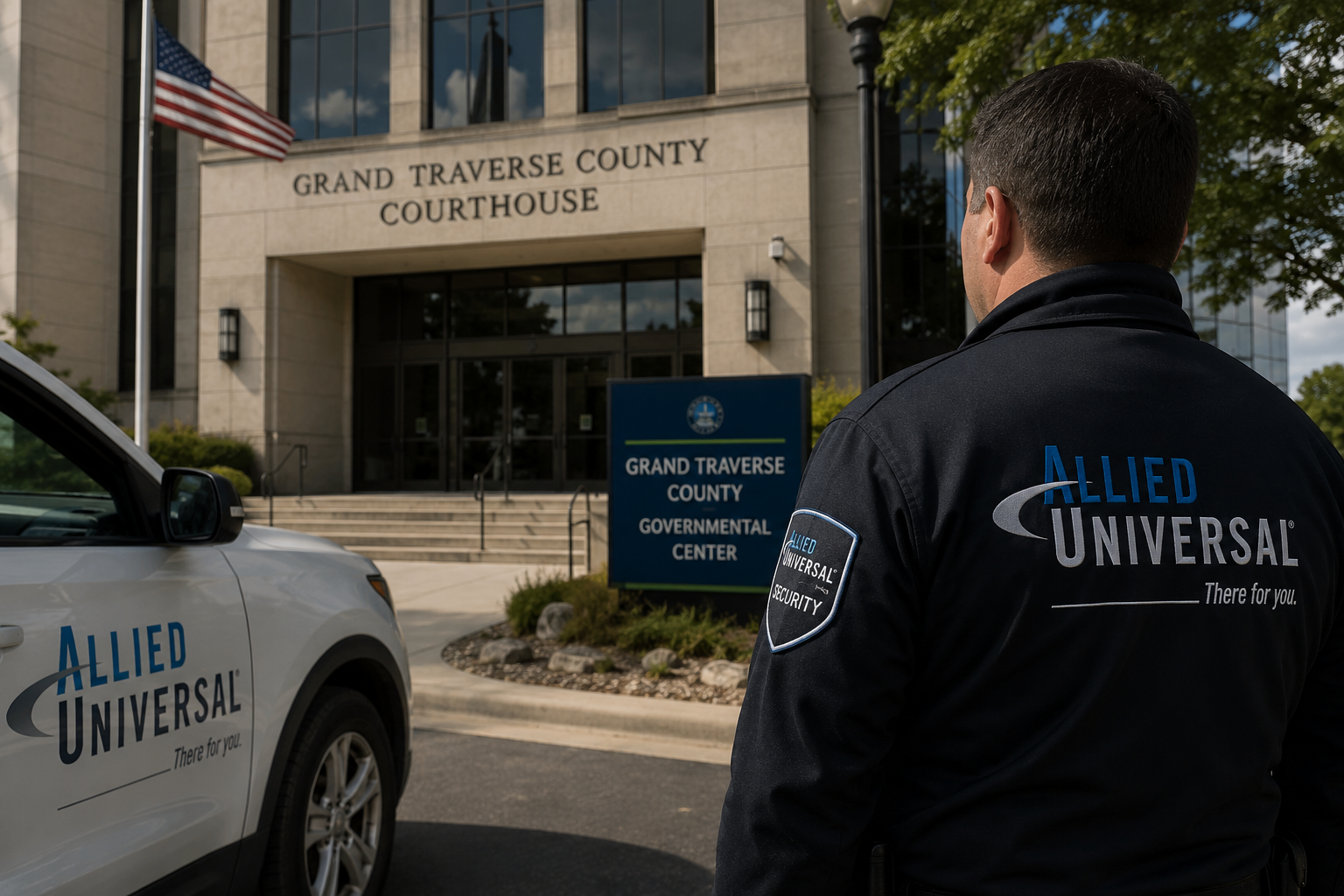
The Metropolitan Transportation Authority (MTA) is investing $16 million to deploy an additional 500 private security guards across the New York City subway system. This move aims to deter fare evasion, particularly at emergency exit gates, doubling the number of guards contracted with Allied Universal to 1,000. The MTA’s spending on private security will reach $35 million through 2024, according to budget documents.
Having More Guards To Deter Fare Evasion In The Subway
The unarmed guards will not issue summonses or make arrests but will focus on preventing fare evasion by verbally discouraging riders from using the emergency gates to avoid paying the $2.90 fare. If necessary, they can call on NYPD officers to intervene, who are responsible for issuing fines or making arrests. The increased police presence in the subway system complements this initiative.
The MTA estimates that fare evasion dropped by 20% to 30% at 50 stations where more guards to deter fare evasion in the subway were initially deployed in 2022, though the agency has not disclosed how much revenue was recovered. The authority’s reliance on private guards is viewed as a temporary solution while officials work on modernizing all 1,000 entrances in the system’s 472 subway stations.
Read: Unexpected Staffing Shortage Causes Long Waits at Vancouver Airport
Impact of Fare Evasion
MTA board Chair and CEO Janno Lieber has labeled the emergency exit gates as the “superhighway of fare evasion.” In 2022, the MTA reported that subway fare evasion cost the agency $285 million, with more than half of the losses occurring through emergency gates. In the first quarter of 2024, 13.6% of subway riders evaded fares, a slight decrease from the 14% recorded in the third quarter of 2023.
Lieber voiced frustration at the issue during a board meeting, citing examples of well-off riders bypassing the fare system. He stressed that fare evasion impacts all New Yorkers and the subway system’s financial health.
Financial Pressures on the MTA
The MTA’s focus on deploying more guards to deter fare evasion in subway and fare recovery as a whole has become increasingly critical following Governor Kathy Hochul’s indefinite pause on congestion pricing, which was expected to generate $15 billion for mass transit upgrades. This delay has created financial strain for the MTA, placing investments such as modern fare gates in jeopardy.
Danny Pearlstein, director of policy and communications at the Riders Alliance, emphasized the need for the MTA to bolster fare revenue to maintain and improve the transit system. He noted, “Enforcing the fare is not free. You have to spend money to make money.”