Article Originally Published Here
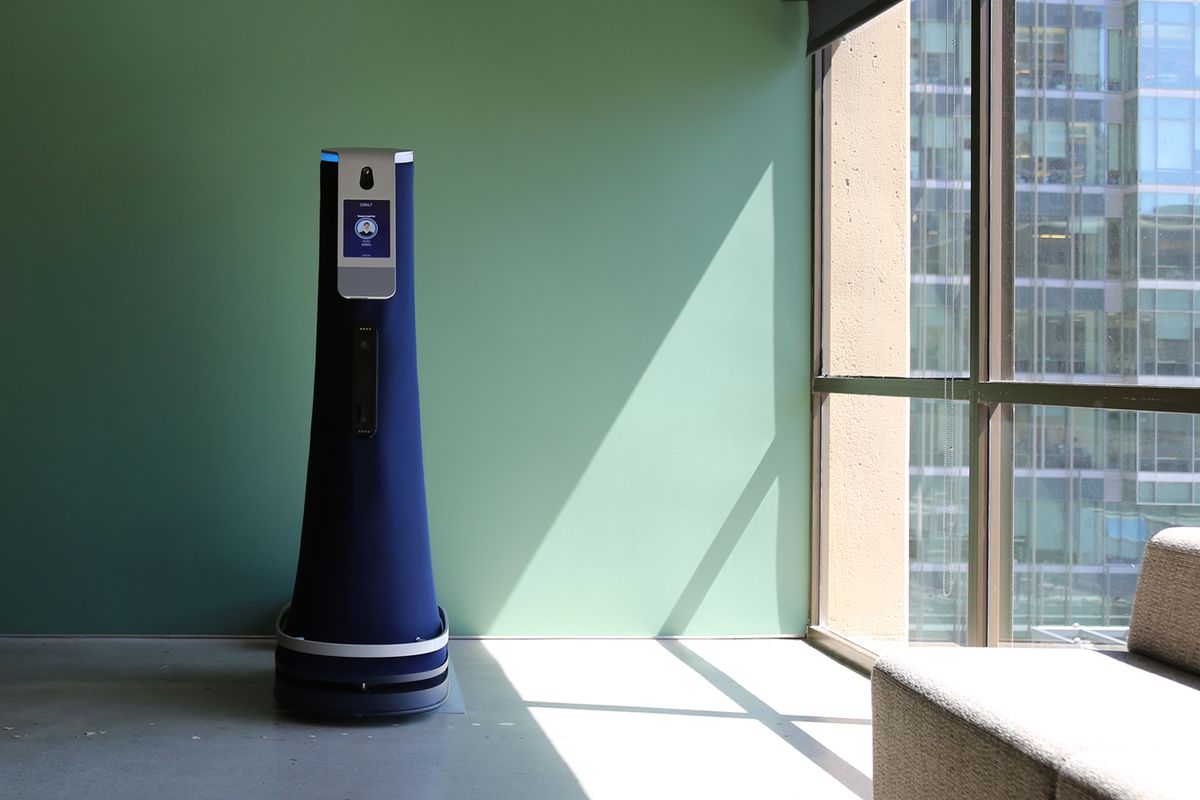
Standing at 5 feet tall and cruising through office corridors at 3 mph, these robotic guards are revolutionizing workplace security.
Gone are the days of the traditional security guard. Now, robots are taking over the night shift and beyond.
How Do These Security Robots Work?
Cobalt’s robots are custom-built to navigate each building’s unique challenges, from ramps to elevators. They patrol hallways, watching for signs of trouble – whether it’s unusual motion after hours or a door left ajar – and report their findings to a human-staffed call center.
Equipped with a depth camera, heat-detecting thermal sensors, 4K cameras for 360-degree views, Lidar, and a microphone array, these robots can detect things a security camera might miss.
Interactivity and Assistance
Employees can tap the robot’s screen to summon a 24/7 specialist for issues like spills, unwelcome visitors, or suspicious activity. This blend of technology and human oversight allows real-life guards to spend more time responding to incidents, while the robots handle patrol and reporting.
Case Study: DoorDash
DoorDash has adopted Cobalt’s robotic guards across its corporate sites, resulting in enhanced security operations, fewer sick days, no HR complaints, and improved accuracy and response times for security and safety incidents.
Robots vs. Humans: The Numbers
The main driver behind this robotic revolution is cost efficiency. According to Forrester Research, opting for a robotic guard over a human can save companies about $79,000 annually. This significant saving is hard for businesses to ignore.
The Competitive Landscape
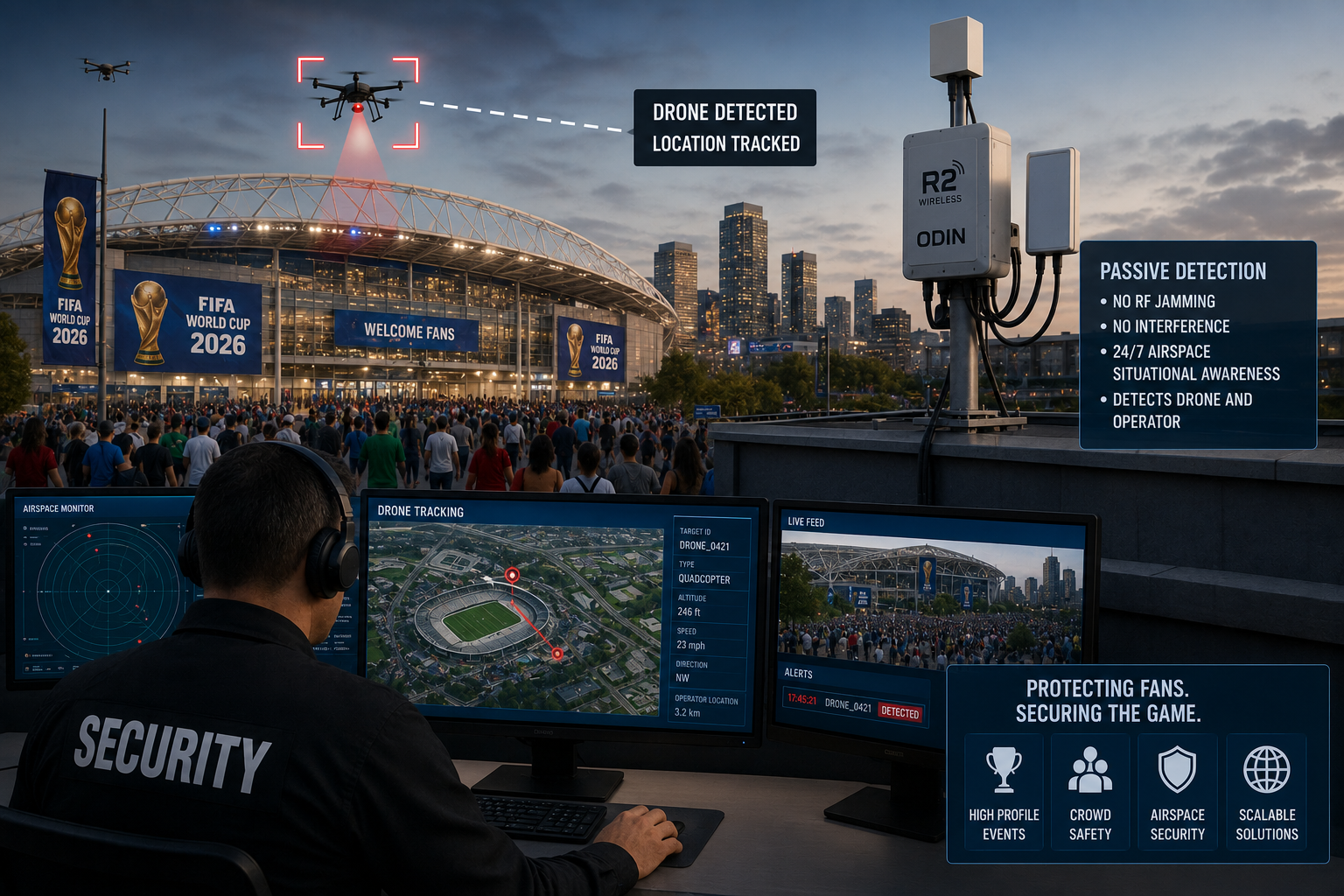
The security robot market is growing, with competition between indoor and outdoor models. While Cobalt’s robots specialize indoors, companies like Knightscope and SMP Robots cover both indoor and outdoor areas, including malls, hotels, and industrial sites. Drones are also starting to play a role in security.
Challenges and Considerations
Despite their benefits, security robots have faced issues, from minor accidents to malfunctions in critical situations. And there’s the human factor – sometimes, nothing can replace the reassurance of a human presence during distressing times.
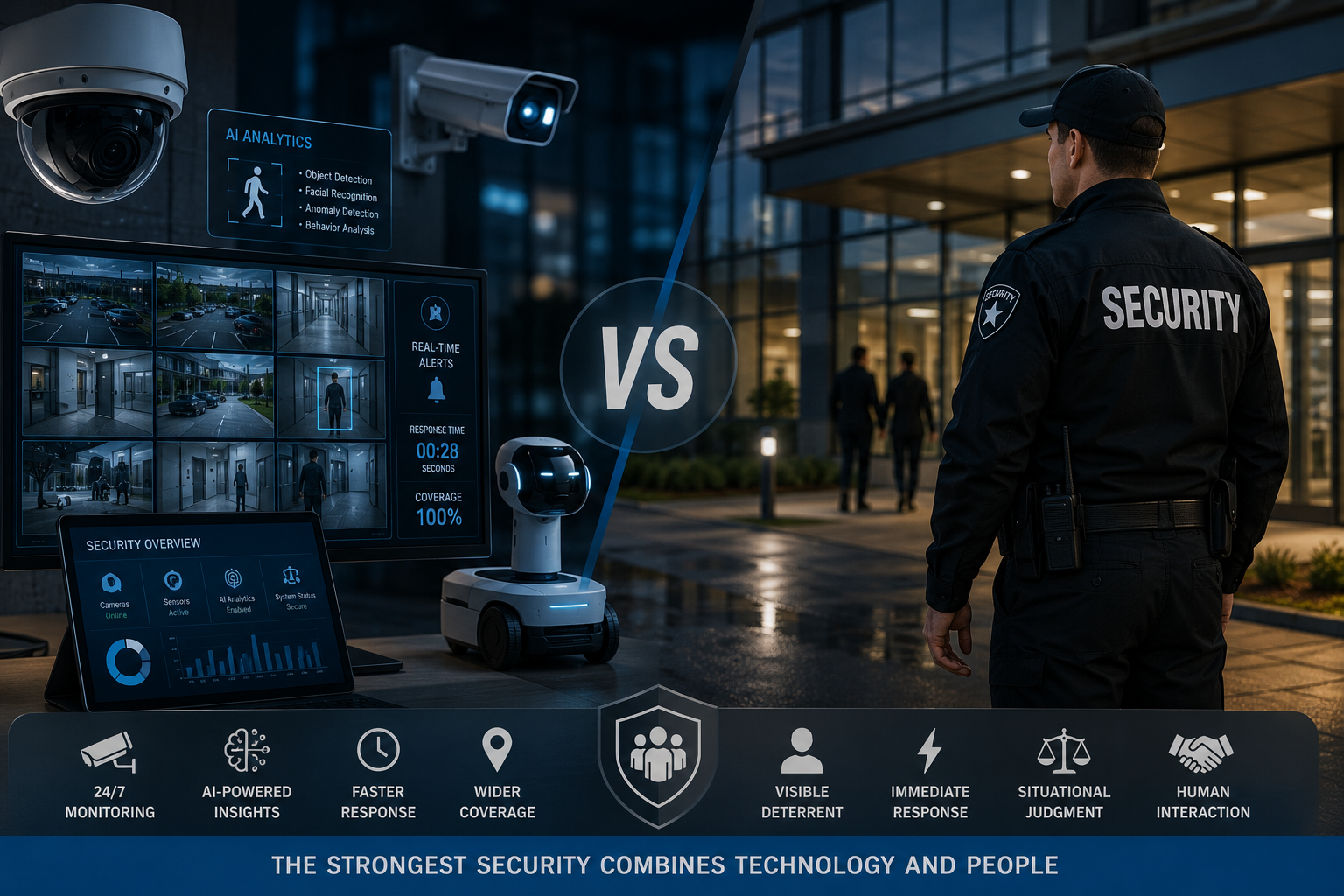
While occasional glitches occur, the consensus is clear: Security robots are here to stay and will continue to grow as the technology advances. They may not completely replace human guards, but they’re redefining the role, allowing humans to focus on more strategic tasks.